This article has been reviewed according to Science X's editorial process and policies. Editors have highlighted the following attributes while ensuring the content's credibility:
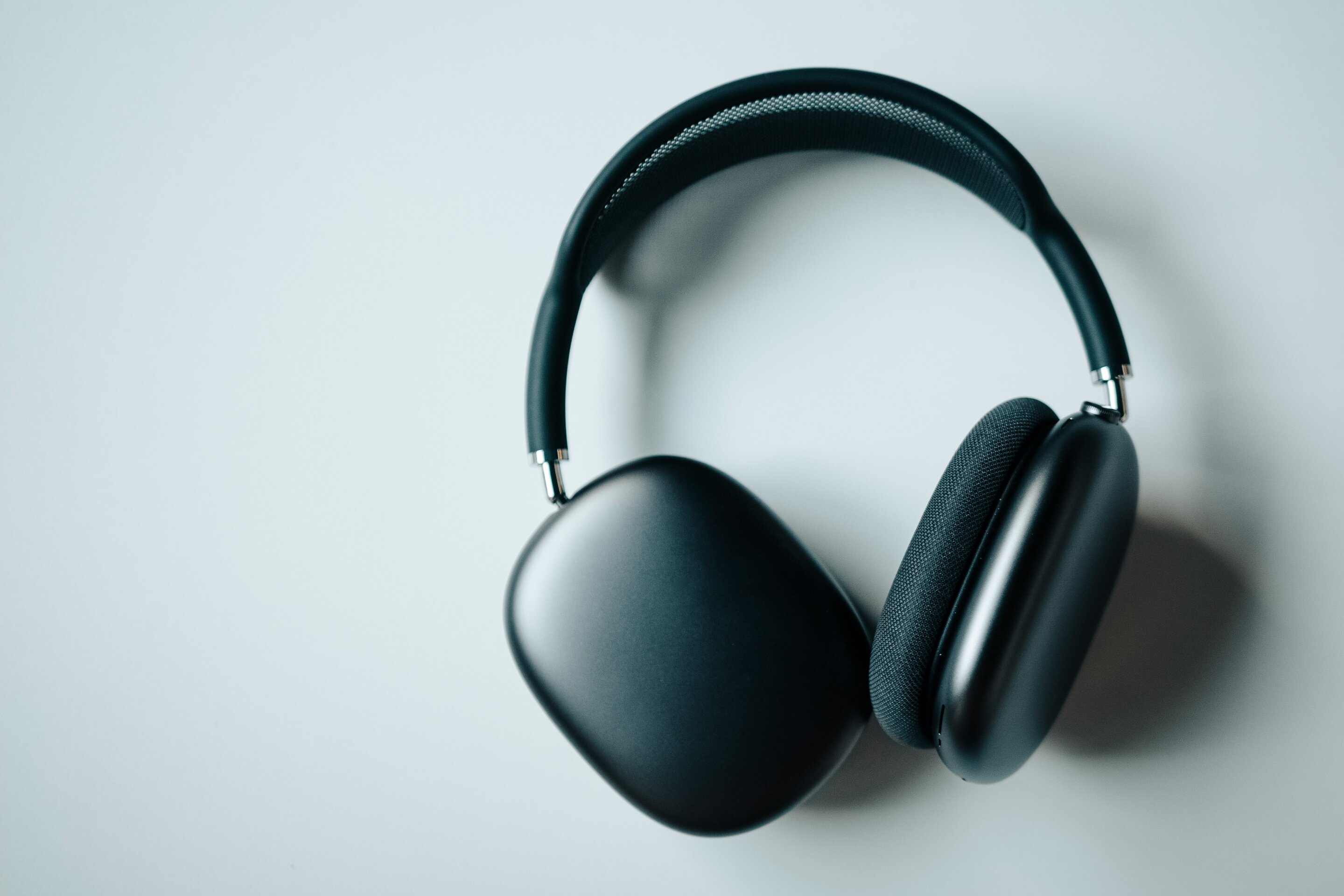
Patients who wore noise-canceling headphones during minimally invasive gynecological surgery were significantly less likely to experience postoperative nausea and vomiting (PONV), suggest findings from a randomized clinical trial presented at the Anesthesiology 2026 annual meeting.
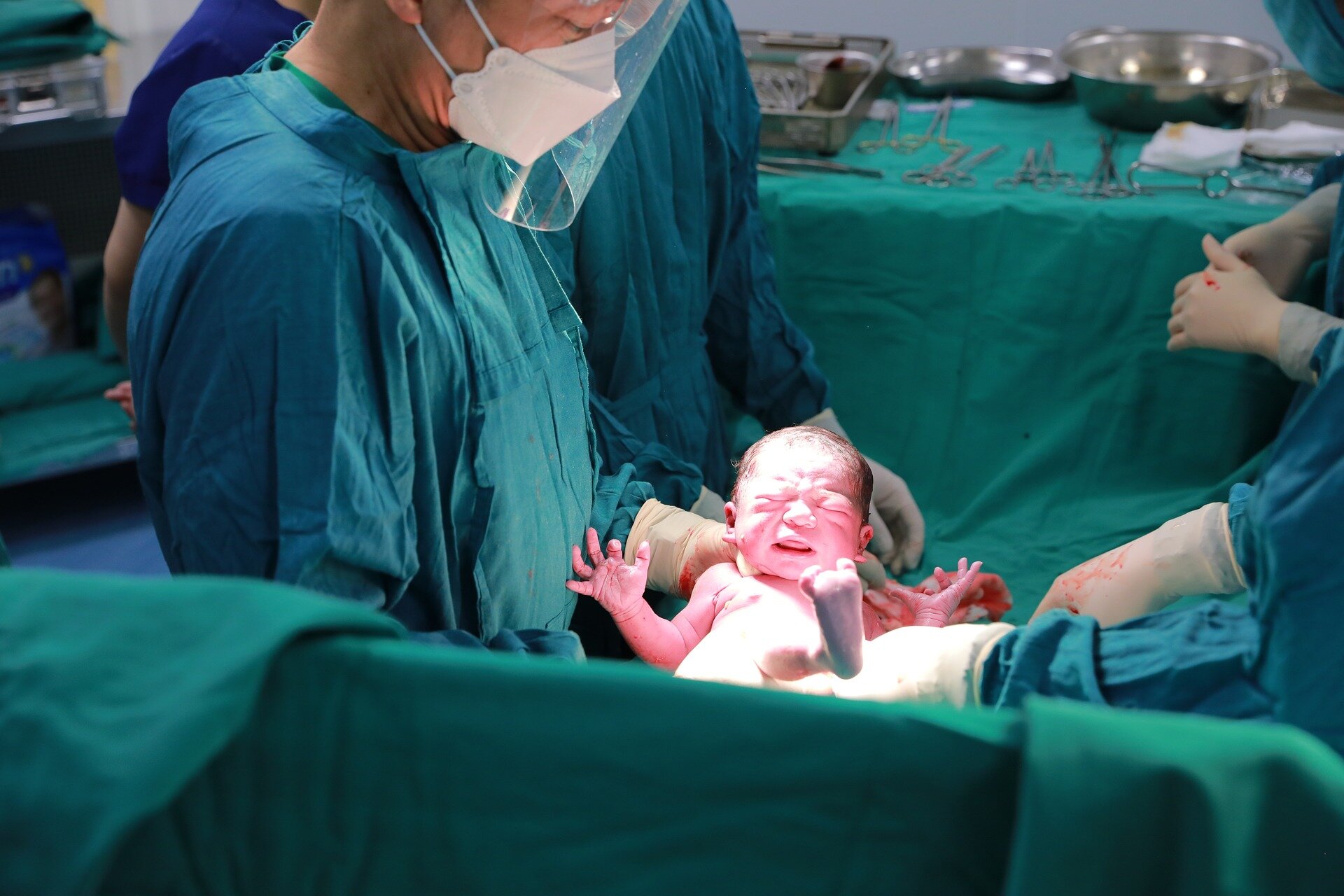
PONV is one of the most common unpleasant side effects after surgery and anesthesia that can lead to dehydration, delayed recovery, added medication use and longer stays in the recovery room. Anesthetic and pain medications are well-known contributors to PONV, but researchers say noise in the operating room may be another, less-recognized factor.
Patients who have minimally invasive gynecological surgery under general anesthesia are at particularly high risk for PONV, even when they receive recommended medications to prevent it.
"Patients under general anesthesia aren't consciously aware of what's happening around them, but that doesn't mean the brain completely stops processing sound," said Huayue Liu, M.D., lead author of the study and an anesthesiologist at the First Affiliated Hospital of Soochow University, Suzhou, China.
"Our findings suggest that simply reducing intraoperative noise could give anesthesiologists another tool to help prevent PONV after surgery, without adding another medication."
In the study, 192 adults ages 18 to 65 under general anesthesia were randomly assigned to one of two groups. Half wore commercially available over-the-head noise-canceling headphones from the start of anesthesia until the surgery ended; the other half did not. All patients received the same anesthesia and standard PONV-prevention medication.
Source link