This article has been reviewed according to Science X's editorial process and policies. Editors have highlighted the following attributes while ensuring the content's credibility:
The natural world has long been one of medicine's most valuable resources, with countless therapies originating in plants, fungi or algae. So, when University of Wollongong (UOW) researchers went searching for a new treatment for motor neuron disease (MND), they turned to nature.
Working in Professor Lezanne Ooi's Neurodevelopment and Neurodegeneration Lab at UOW's Molecular Horizons, the researchers drew from the unique flora, fungi and marine vertebrates of Australia and the Oceania region.
They tested more than 500 different compounds on motor neurons, the nerve cells that degenerate in MND. The neurons were grown from stem cells donated by people with sporadic MND, which has no known genetic cause, and familial MND, which is linked to inherited gene mutations.
"There are still no effective drugs for the majority of MND cases, with an urgent need to identify new treatments for people living with MND," said study lead author Dr. Simon Maksour.
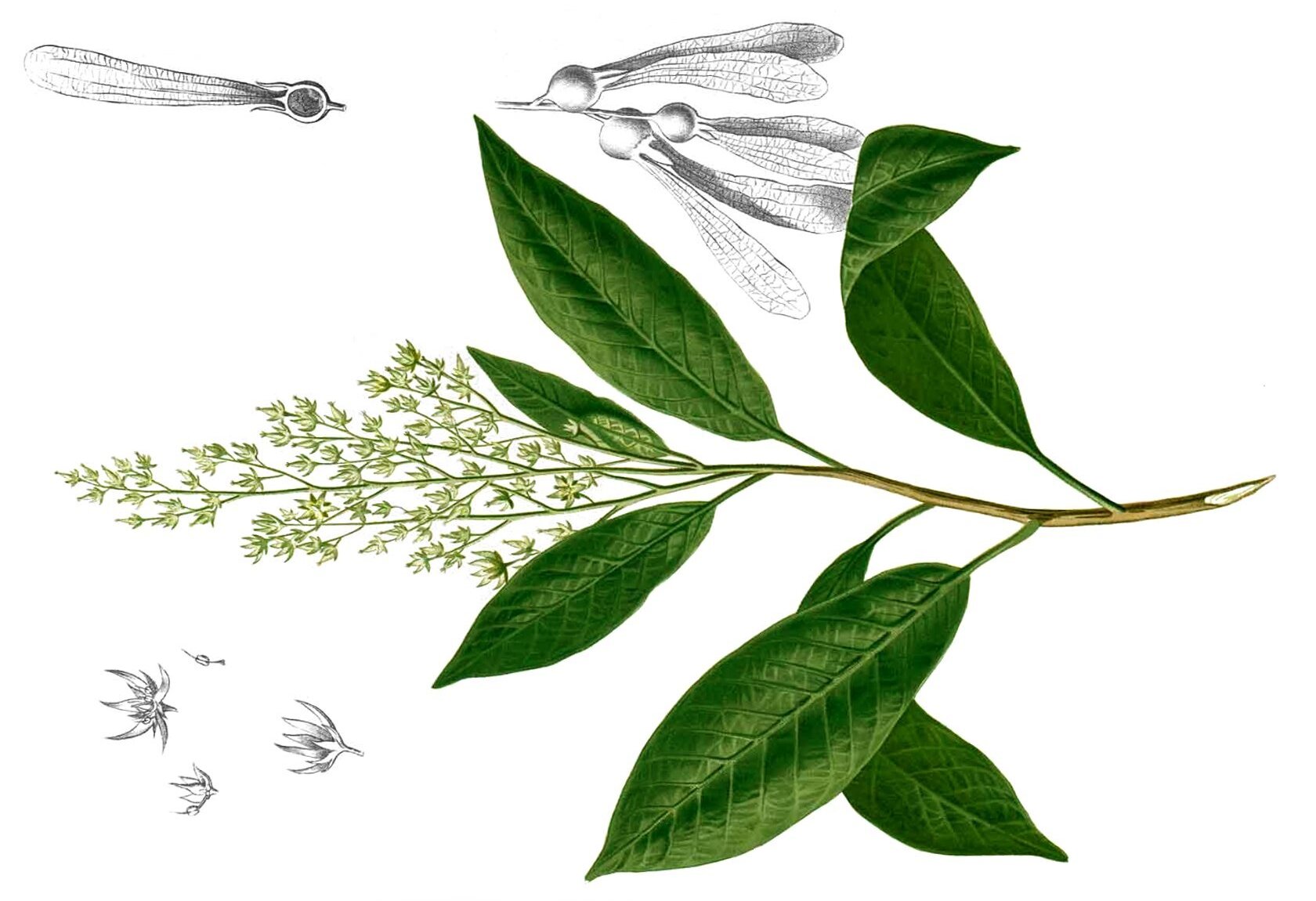
In testing, two compounds stood out, both from the rainforest canopy tree Anisoptera thurifera, native to Papua New Guinea, the Philippines and Indonesia.
The more effective compound, hopeaphenol, protected motor neurons from degeneration and helped preserve their long, branching fibers, which carry signals throughout the body. It also outperformed resveratrol, a compound found in grapes and widely studied for its protective effects.
Tested on motor neurons from 14 donors, spanning sporadic MND and several genetic forms of the disease, hopeaphenol protected cells from 12.
Source link