This article has been reviewed according to Science X's editorial process and policies. Editors have highlighted the following attributes while ensuring the content's credibility:
UVA Comprehensive Cancer Center researchers have found an answer to one of the great mysteries of human biology, and the discovery could have major implications for the battle against breast cancer and other diseases.
It's called the "G-value paradox": Humans have no more protein-making genes than a tiny roundworm, yet somehow our bodies and brains are vastly more complex. Scientists have come up with various explanations for how this can be, but UVA's Hui Li, Ph.D., has identified an important and surprising contributor: "chimeric" RNA once thought to be cellular junk.
Li's new findings indicate these RNA molecules are far from useless debris. Instead, they can generate genetic instructions—expanding our cellular blueprints beyond our genes—and perform essential functions in healthy cells.
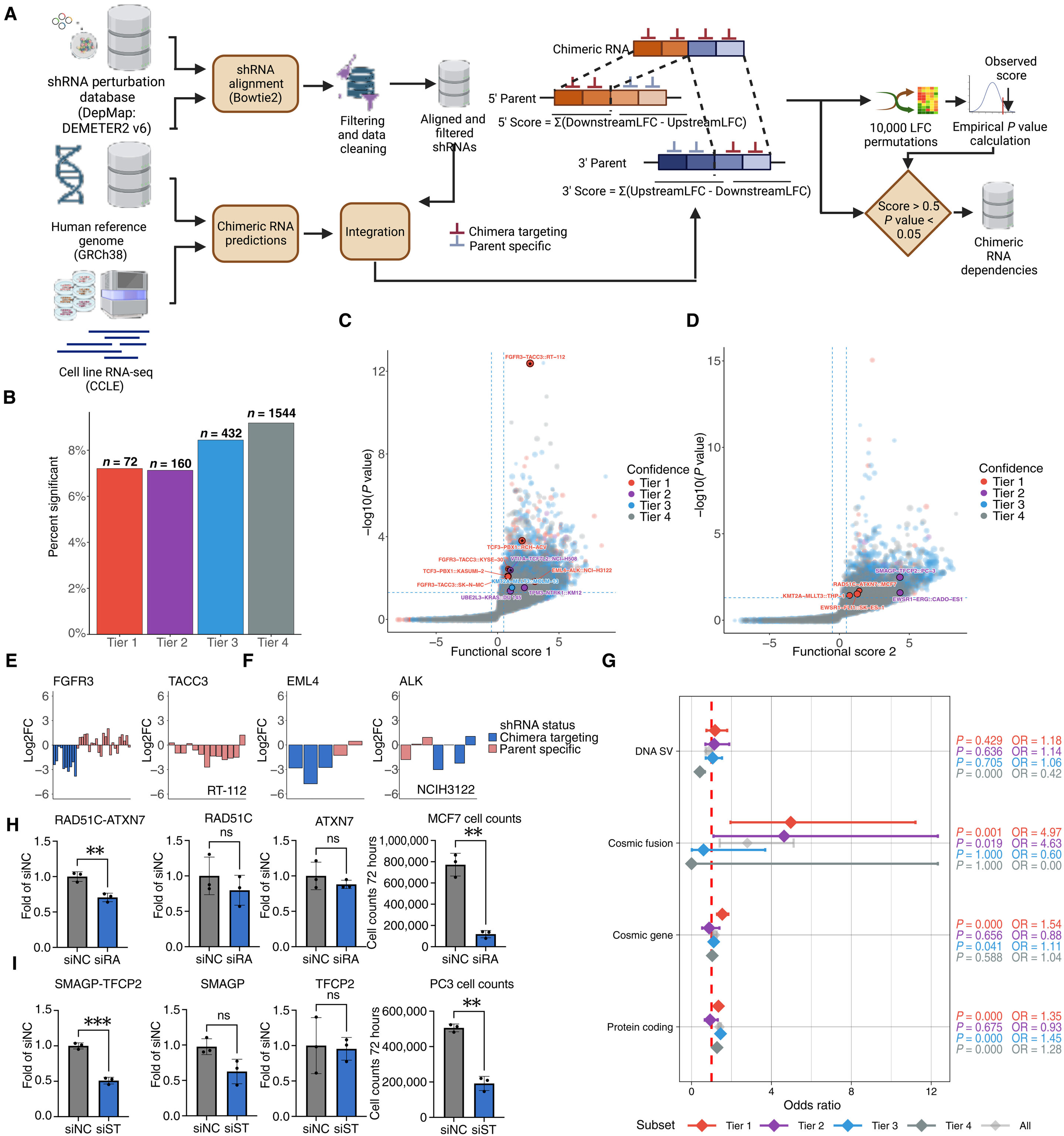
Further, Li and his team found that faulty chimeric RNAs play an important role in the development of breast cancer. The researchers have developed an "atlas" mapping RNA chimeras in more than 1,000 cancer cell lines and found that the RNA was often malfunctioning in primary breast cancer tumors. They suspect that chimera problems are driving other cancers and diseases as well.
"We are getting better at finding chimeric RNAs, but we don't know if they are just noise or functionally meaningful," said Li, of the University of Virginia School of Medicine's Department of Pathology.
Source link