This article has been reviewed according to Science X's editorial process and policies. Editors have highlighted the following attributes while ensuring the content's credibility:
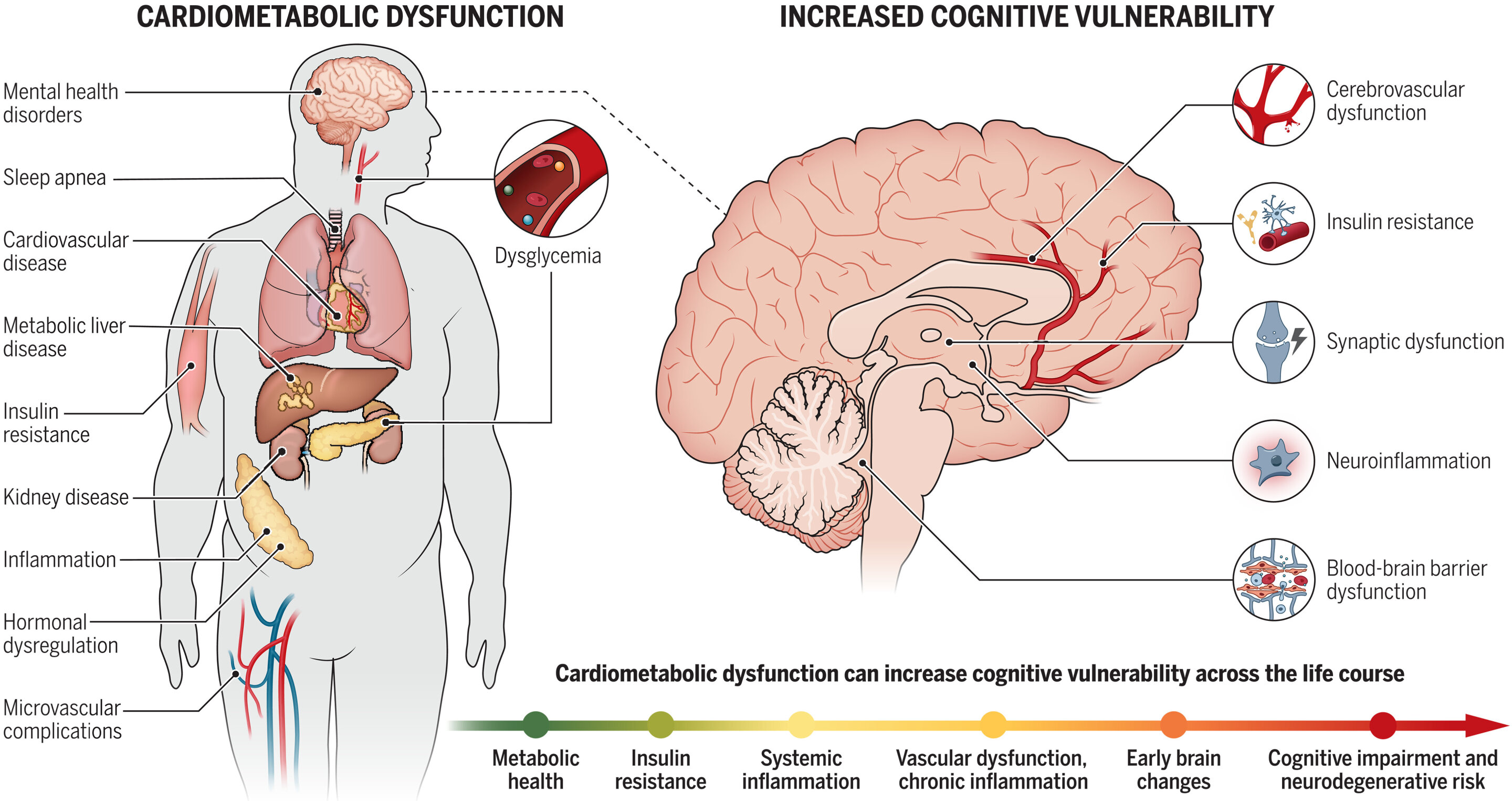
Drugs such as semaglutide and tirzepatide are already used to treat obesity and type 2 diabetes, but they also influence biological processes important for brain function. In a new review published in Science, researchers at the University of Gothenburg and the University of Copenhagen assessed the available evidence.
Animal studies show that GLP-1 drugs can affect memory and learning, but findings in humans have been mixed. Studies of patient records have linked GLP-1 treatment to a lower risk of dementia in people with type 2 diabetes, although they cannot establish whether the drugs themselves account for the difference.
In Novo Nordisk's clinical trials EVOKE and EVOKE+, semaglutide did not slow disease progression in patients with early Alzheimer's disease, despite changes in several biological markers of the disease.
These results do not rule out the possibility that the drugs could protect brain function in other patients. People with obesity or type 2 diabetes may experience difficulties with attention, planning and processing speed. These problems are often linked to metabolic and vascular health and may therefore respond better to treatment.
Stina Börchers is the first author of the review and a researcher affiliated with the University of Gothenburg and the University of Copenhagen. "We need to find out whether these treatments can help people with obesity or diabetes preserve their cognitive abilities, particularly if treatment begins before cognitive problems become established.
Source link