This article has been reviewed according to Science X's editorial process and policies. Editors have highlighted the following attributes while ensuring the content's credibility:
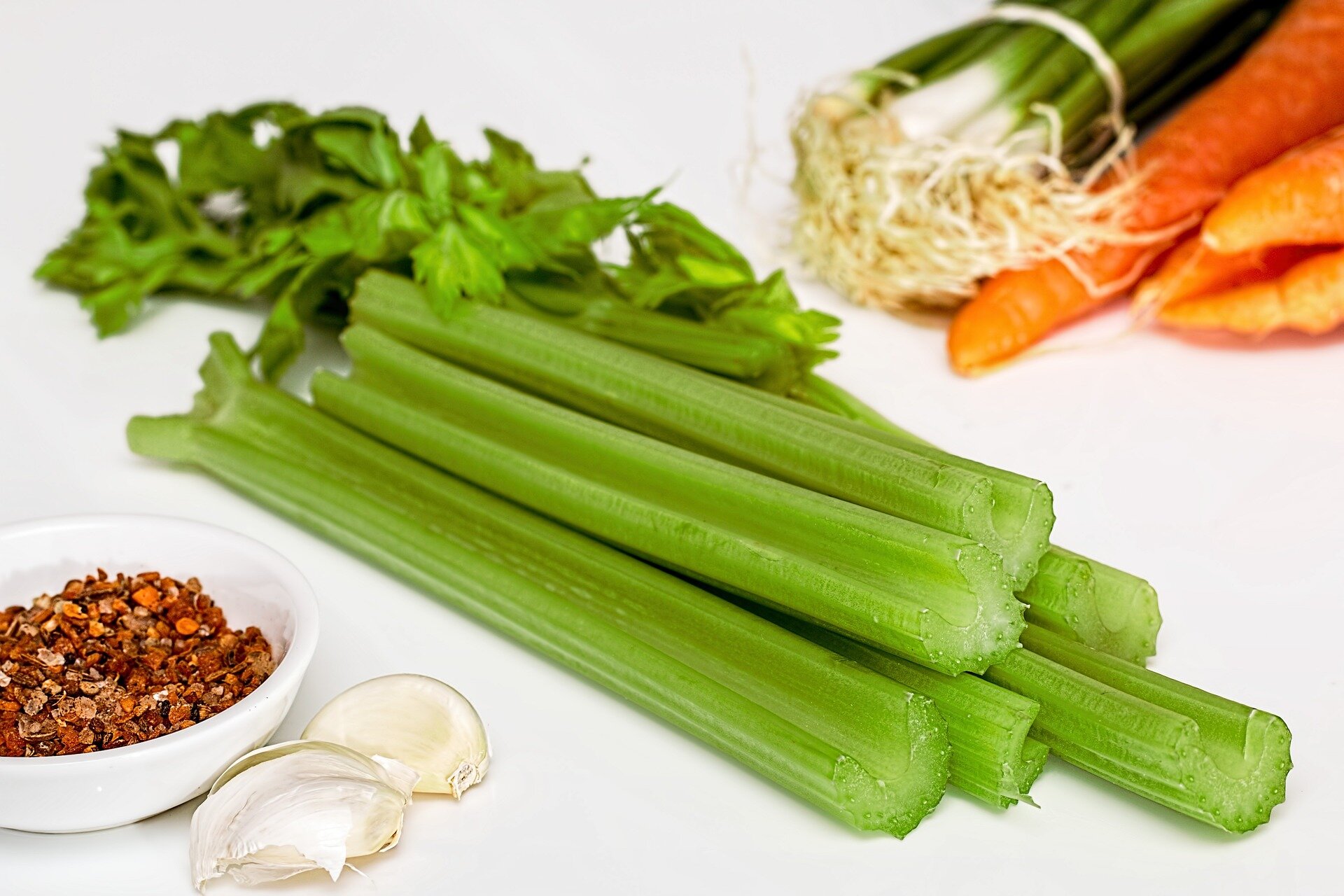
Back in my early days as a dietitian, I used to hear about the miracle properties of celery.
The idea was that you used more energy chomping and digesting celery than you got from the calories in celery.
It probably sounded plausible as celery is a low-calorie food. One stalk of celery only contains about 4.3 calories (18 kilojoules).
Celery also takes a lot of chewing, which added to its reputation as a "negative-calorie" food.
So is there any truth to all this? And what do bearded dragon lizards have to do with it?
Calories (or kilojoules) refer to the amount of energy a certain food provides. Celery is an example of a nonstarchy vegetable. Like other nonstarchy vegetables, such as cucumber and bell pepper, celery contains virtually no fat or protein and very small amounts of carbohydrates.
Losing weight begins to occur when you are in a negative calorie balance—that is, you use more energy during exercise or everyday activity than you eat.
Because eating fewer calories is a way to manage your weight, it is easy to see how low-calorie celery led to the negative-calorie theory.
The total amount of energy your body burns every day is called the total energy expenditure.
Let's focus on one of those that often confuses people—the thermic effect of food. " So we cannot say eating a stick of celery uses a certain number of calories.
Source link