This article has been reviewed according to Science X's editorial process and policies. Editors have highlighted the following attributes while ensuring the content's credibility:
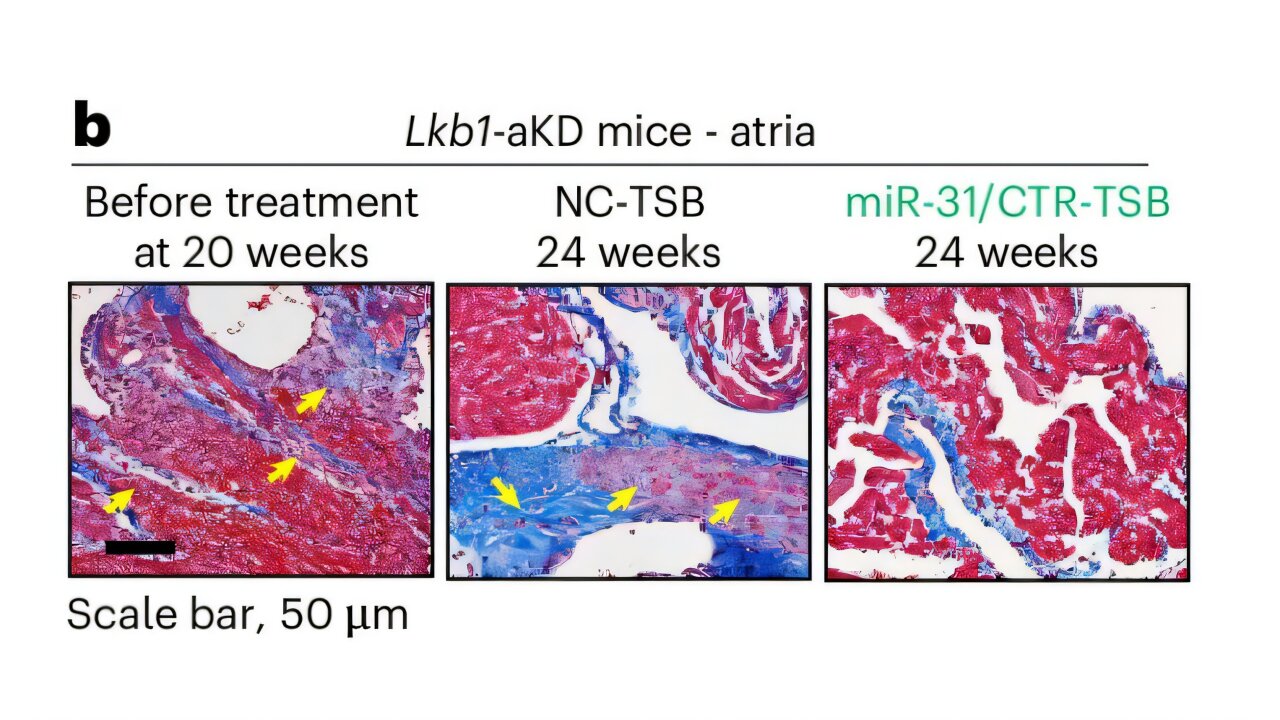
In a study led by Baylor College of Medicine and the University of Oxford, researchers found that blocking a specific molecular interaction reduced atrial fibrosis in mouse models and cells from human patients with atrial fibrillation (AF), reduced fibrotic responses in human cells, and in the mouse models reversed established atrial fibrosis and reduced abnormal heart rhythms.
The study, published in the latest edition of Nature Cardiovascular Research, points to the potential for a treatment for AF that up until now has not existed.
"Atrial fibrillation (AF) is the most common arrhythmia, affecting more than 10 million adults in the United States. It substantially raises the risk of ischemic stroke, heart failure, myocardial infarction and can even increase the risk of dementia and kidney disease," said Dr. Xander Wehrens, professor and director of the Cardiovascular Research Institute at Baylor and co-senior author on the paper.
"There are current treatments that help improve heart rhythm but nothing that stops and reverses progression. Our findings open the door to the potential for an effective treatment."
Dr. Svetlana Reilly, associate professor of cardiovascular science at the University of Oxford and co-senior author on the paper, says the findings address a gap in treatment options.
"Atrial fibrosis is a major unmet clinical problem in atrial fibrillation, and currently we have no therapies that directly target the scarring process itself," Reilly said.
Source link