This article has been reviewed according to Science X's editorial process and policies. Editors have highlighted the following attributes while ensuring the content's credibility:
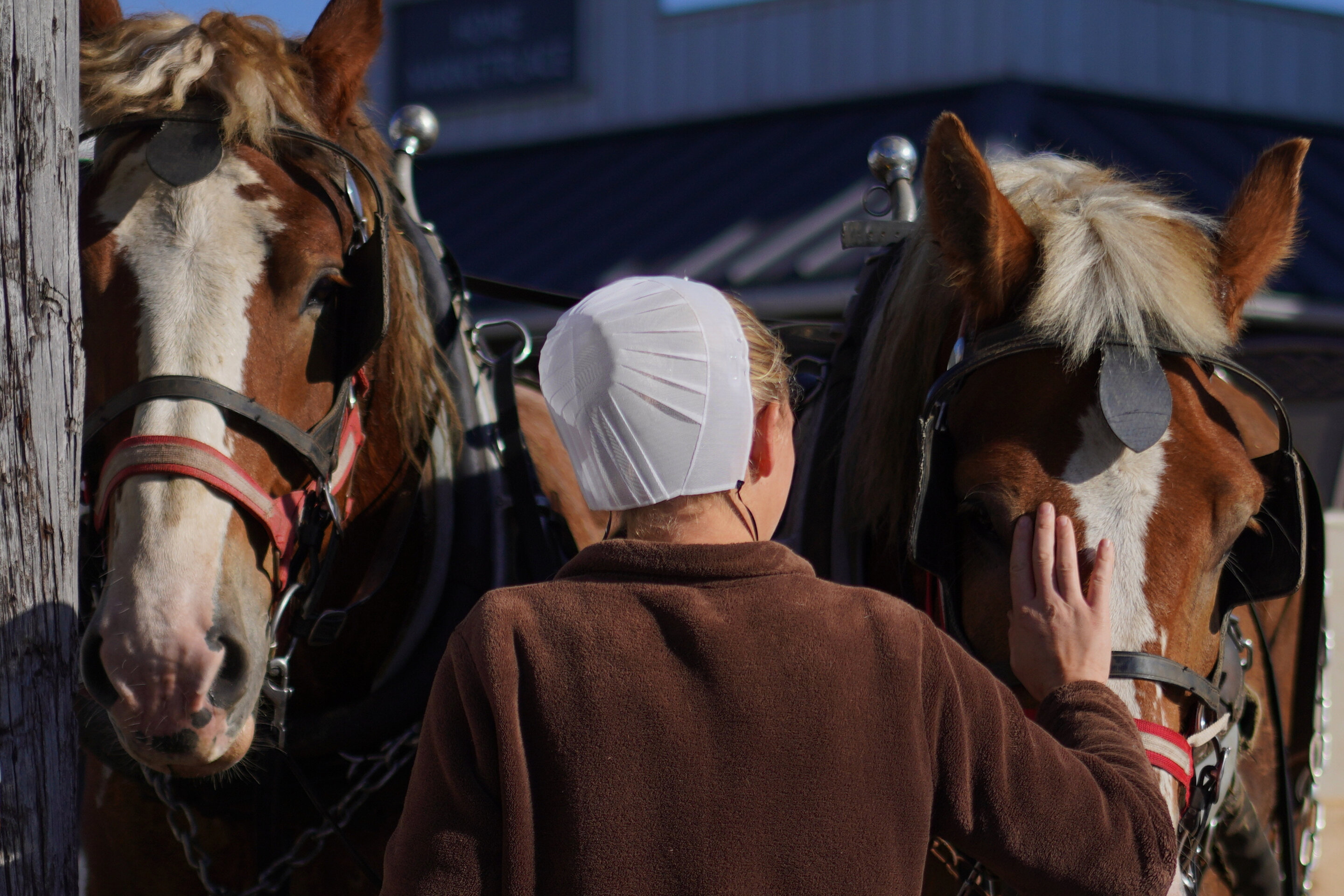
Amish and Mennonite shoppers in conservative dress mingled with shoppers from the wider public on a recent Friday at a vast outdoor market here, where vendors sold colorful pumpkins and mums, fry pies and squash, sports jerseys and Barbie accessories.
Such interactions are common in Lancaster County in central Pennsylvania, home to the largest Amish population in the U.S.—and the epicenter of the nation's worst measles outbreak in 35 years. While they avoid many types of civic engagement for religious reasons, the Amish—like many other groups vulnerable to measles across the nation—are not truly separate.
"We are all interconnected," said Dr. Diego Hijano of St. Jude Children's Research Hospital.
But rates among the general public are now falling, and rates have long been low among the Amish, creating the perfect conditions for the contagious virus—officially considered "eliminated" from the U.S. since 2000—to spread here and beyond.
Pennsylvania has the most U.S. cases, with over 1,350 this year, more than a third in Lancaster County alone, according to state figures. That's a big undercount, community leaders say, since many people with measles never see a doctor.
The state has recorded three measles-associated deaths in Lancaster and two in other counties.
The outbreak has especially hit the "Plain communities" of Amish and conservative Mennonites—so named for their modest dress and limited use of technology. Vaccination rates, and attitudes about vaccines, range widely.
Source link