This article has been reviewed according to Science X's editorial process and policies. Editors have highlighted the following attributes while ensuring the content's credibility:
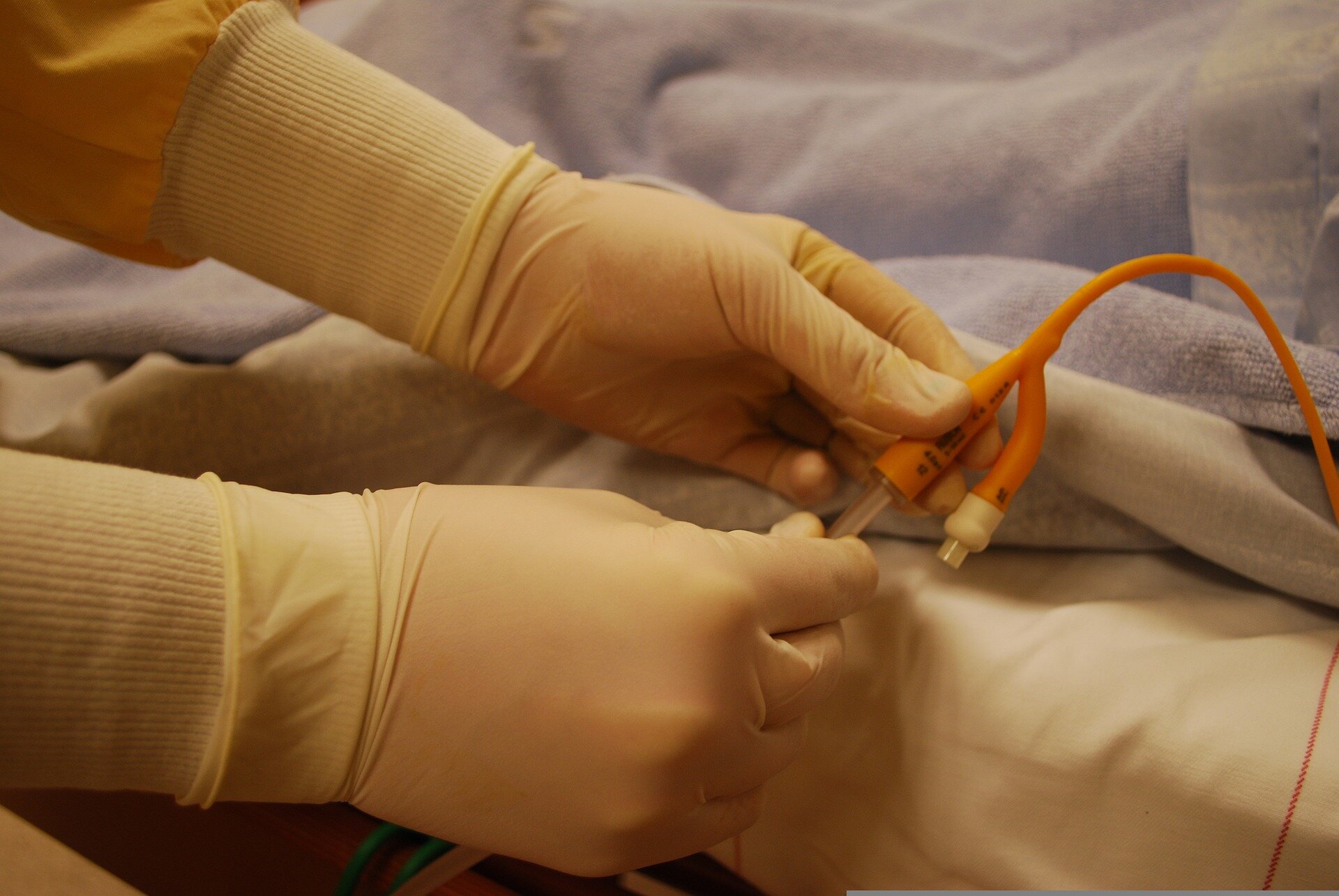
Patients who depend on long-term intravenous catheters for chemotherapy, hemodialysis, intravenous nutrition and other essential therapies face an ongoing risk of catheter-related bloodstream infections, a potentially life-threatening complication that can be difficult to manage when the device remains necessary for care.
A new state-of-the-art review published in Clinical Infectious Diseases provides clinicians with practical guidance for preventing, diagnosing and treating recurrent and relapsing infections while preserving vascular access whenever possible.
The review, "Recurrent and Relapsing Catheter-Related Bloodstream Infections in Patients Requiring Long-term Vascular Access," was led by Leonard A. Mermel, D.O., of the Division of Infectious Diseases at The Warren Alpert Medical School of Brown University and Brown University Health, together with colleagues from institutions in the United States and Europe.
The article synthesizes current evidence and expert clinical experience to address complex clinical decisions involving patients who require long-term vascular access.
Many patients with cancer, kidney failure, intestinal disorders and other serious conditions rely on central venous catheters for ongoing treatment. When bloodstream infections occur, clinicians must balance treatment of the infection against the risks associated with removing and replacing devices that may be difficult to reinsert or required for continued therapy.
The review emphasizes that care should be individualized based on the patient's clinical condition, the infecting organism and the availability of alternative access sites.
"Patients who require long-term vascular access often present some of the most challenging infection-management decisions in medicine," Mermel said.
Source link