This article has been reviewed according to Science X's editorial process and policies. Editors have highlighted the following attributes while ensuring the content's credibility:
Handbasins help prevent infections in hospitals but new research from Flinders University warns that contaminated basins in health care might put patients at risk and have implications for outbreaks of superbugs.
The Journal of Hospital Infection review compares health care handbasin design guidelines across 39 countries with the scientific evidence—leading to calls for better designs to reduce the risk of drug-resistant bacteria occurring, for example, the commonly difficult-to-treat carbapenemase-producing Enterobacterales (CPE).
The study found substantial inconsistencies between international health care design guidelines, while the limited evidence available makes it difficult to determine which design features best reduce the risk of pathogen spread, says lead author Mikaela Todarello, a Ph.D. candidate in environmental health at Flinders University.
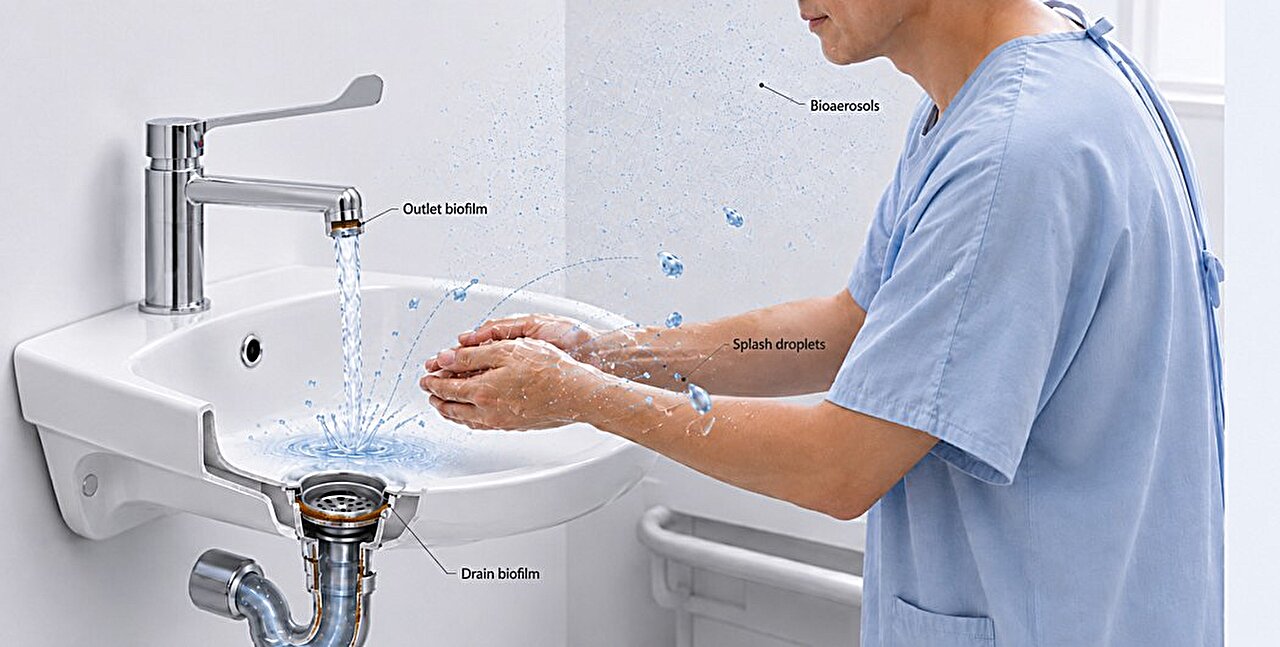
"Handbasins need to support effective handwashing without creating avoidable opportunities for pathogens to spread.
"Microbes can build up in taps and drains. When water hits contaminated surfaces, splashing can carry them onto nearby equipment and surfaces.
"There is evidence that handbasin design influences how microbes spread, which means we have a real opportunity to improve these designs and reduce the risk to patients."
"There is still limited research examining how these features work together during everyday use, or which combinations best reduce infection risk," adds Todarello, from the College of Science and Engineering.
"We need to close that gap so future design guidelines are based on strong evidence from real health care environments."
Source link