This article has been reviewed according to Science X's editorial process and policies. Editors have highlighted the following attributes while ensuring the content's credibility:
The medical sector generates vast amounts of valuable data. However, this information is often stored in different systems and is only analyzed in isolated instances for research projects. The opportunity to pool data for the purpose of improving patient care and research is often overlooked.
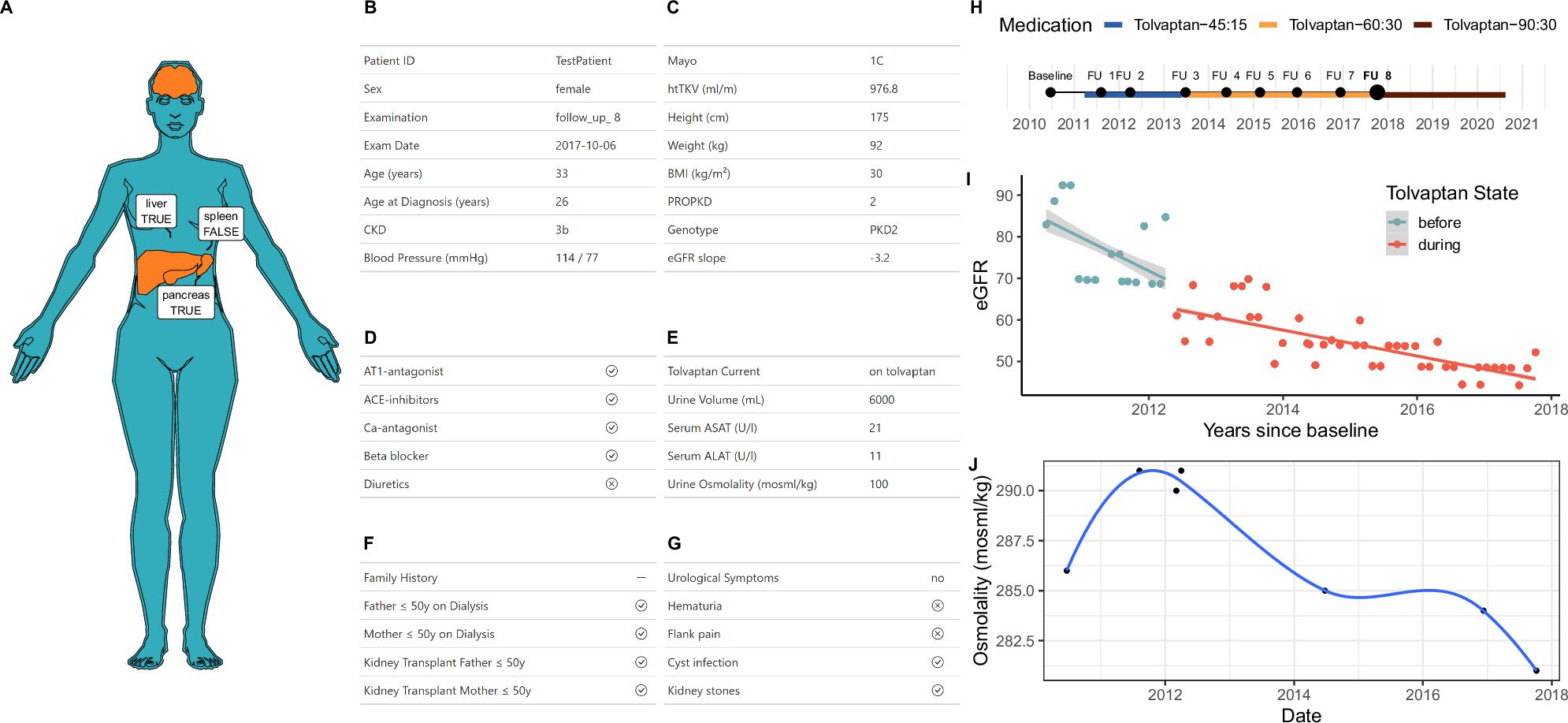
In response to this missed opportunity, a research team led by Dr. Roman-Ulrich Müller, group leader at the University of Cologne's CECAD Cologne Cluster of Excellence on Aging and Aging-associated Diseases and director of the Department of Nephrology at Düsseldorf University Hospital (UKD), has developed the digital platform MEDA-PKD (MEdical DAta translation service of Polycystic Kidney Disease). Among other things, it links clinical follow-up data, laboratory results, imaging, information on medication and quality of life, as well as initial molecular data on new biomarkers.
The researchers have published a paper on the development and potential applications of this platform, entitled "MEDA-PKD: A Dynamic, Real-Time Analytics Platform for Precision Care in Autosomal Dominant Polycystic Kidney Disease" in the journal npj Digital Medicine.
Using the example of the most common genetic kidney disorder—polycystic kidney disease, which affects more than 7 million people worldwide—this study demonstrates how data from clinical practice and research can be automatically collated and made available almost in real time for research purposes and, in the future, for individual patient care as well.
"Registry and cohort data often remain hidden within hospital systems and on individual computers, and are inaccessible to those affected.
Source link