This article has been reviewed according to Science X's editorial process and policies. Editors have highlighted the following attributes while ensuring the content's credibility:
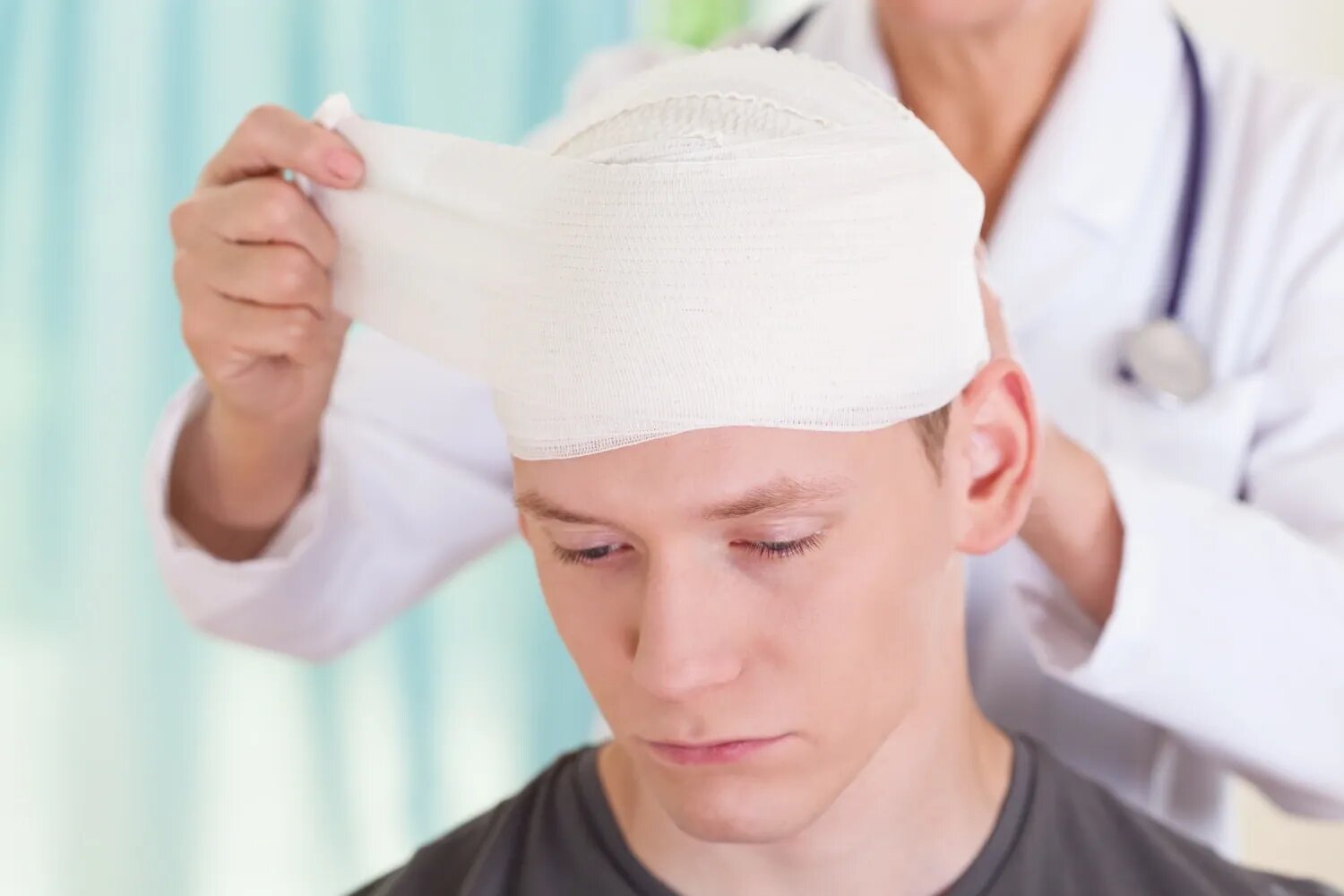
New Scandinavian guidelines aim to support emergency care professionals in the assessment of adults with minimal, mild and moderate head injuries. Based on a broad review of the evidence, the guidelines include a more individualized approach to head computed tomography and in-hospital observation. The study was led by researchers at several departments, including Karolinska Institutet and Stockholm South General Hospital and is published in The Lancet Regional Health—Europe.
Head injuries are a common reason for visits to emergency departments. Most are mild, but health care professionals need to identify patients at risk of bleeding or other traumatic injuries inside the skull who may need urgent treatment. At the same time, patients at low risk should not undergo unnecessary imaging or hospital admission.
The previous Scandinavian guidelines were updated in 2013. Since then, the population has aged, the use of antithrombotic therapy has changed, and new blood biomarkers for brain injury have become available.
The researchers have therefore reviewed the state of the evidence again. In total, 110 studies on the risk of traumatic intracranial injury and 33 studies on the risk of emergency neurosurgical treatment were included. After this, 29 experts and other stakeholders from the Nordic countries took part in developing the new recommendations.
"Our aim is to give health care professionals clearer support when deciding which patients need a head CT or admission for observation, and which patients can be safely discharged without imaging.
Source link