This article has been reviewed according to Science X's editorial process and policies. Editors have highlighted the following attributes while ensuring the content's credibility:
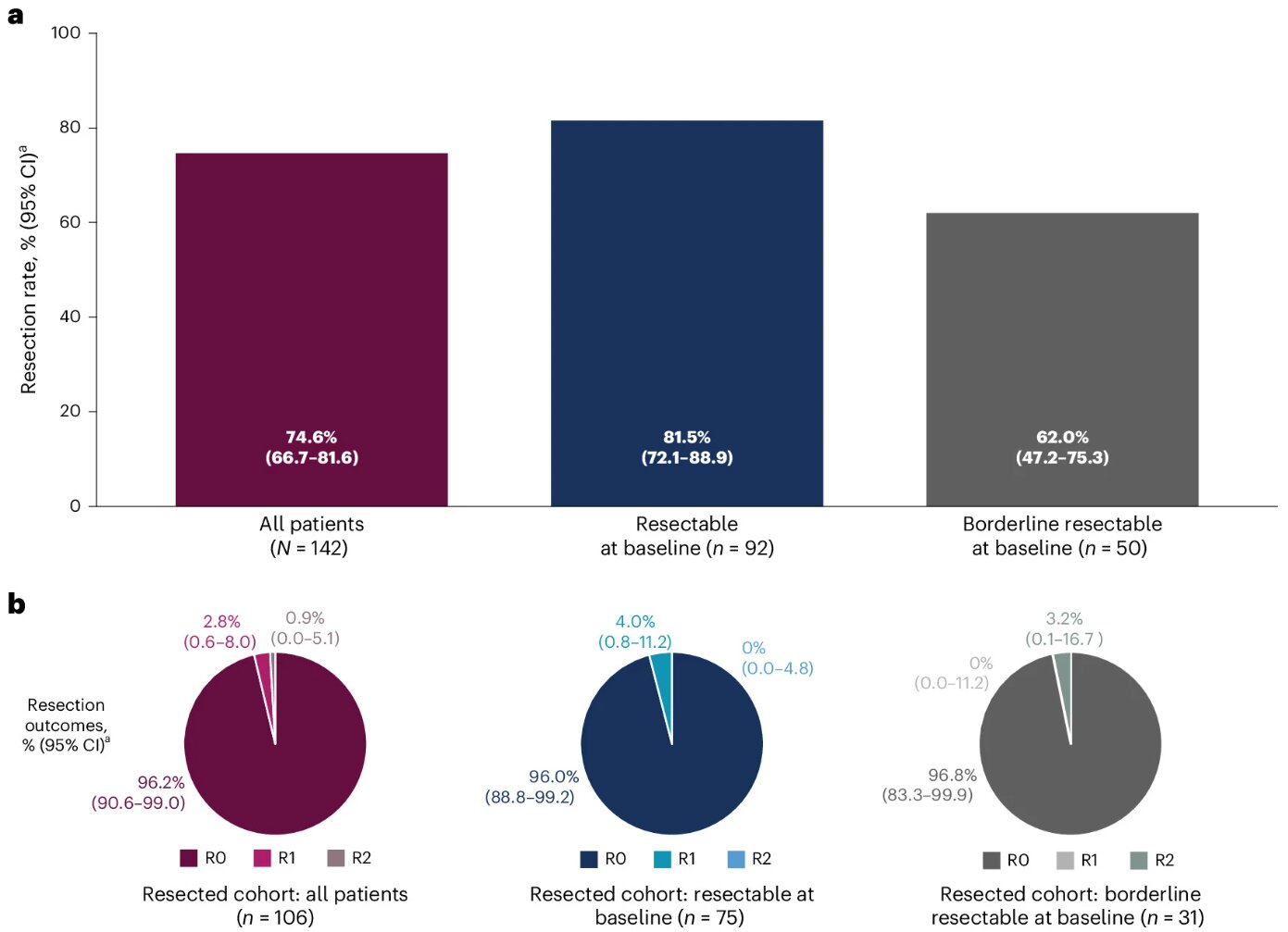
Despite significant advances in treatment, lung cancer remains the leading cause of cancer-related deaths worldwide. A clinical trial recently published in Nature Medicine suggests that a more flexible approach to treating locally advanced non-small-cell lung cancer could open up new treatment options for patients. By starting with a combination of chemotherapy and immunotherapy (durvalumab), followed by reassessment by a multidisciplinary team, doctors may be able to offer curative surgery to more patients. The study also suggests that patients who remain ineligible for surgery after this initial treatment may still have another potentially curative option: a combination of chemotherapy and radiation therapy.
Non-small-cell lung cancer (NSCLC) accounts for 80% to 85% of lung cancer cases. Today, treatment plans are generally established at diagnosis, based on the stage of the cancer, the patient's overall health and whether the tumor can be removed through surgery. The initial assessment therefore plays an important role in determining whether surgery is an option.
"The main innovation of this study is not a new drug, but a different way of harnessing the power of immunotherapy and adapting treatment to each patient. By assessing how the cancer responds to initial treatment, we can better evaluate whether surgery is the ideal next step, particularly for patients whose cancer could potentially be cured but whose tumors were initially considered risky or difficult to remove," says Dr.
Source link