This article has been reviewed according to Science X's editorial process and policies. Editors have highlighted the following attributes while ensuring the content's credibility:
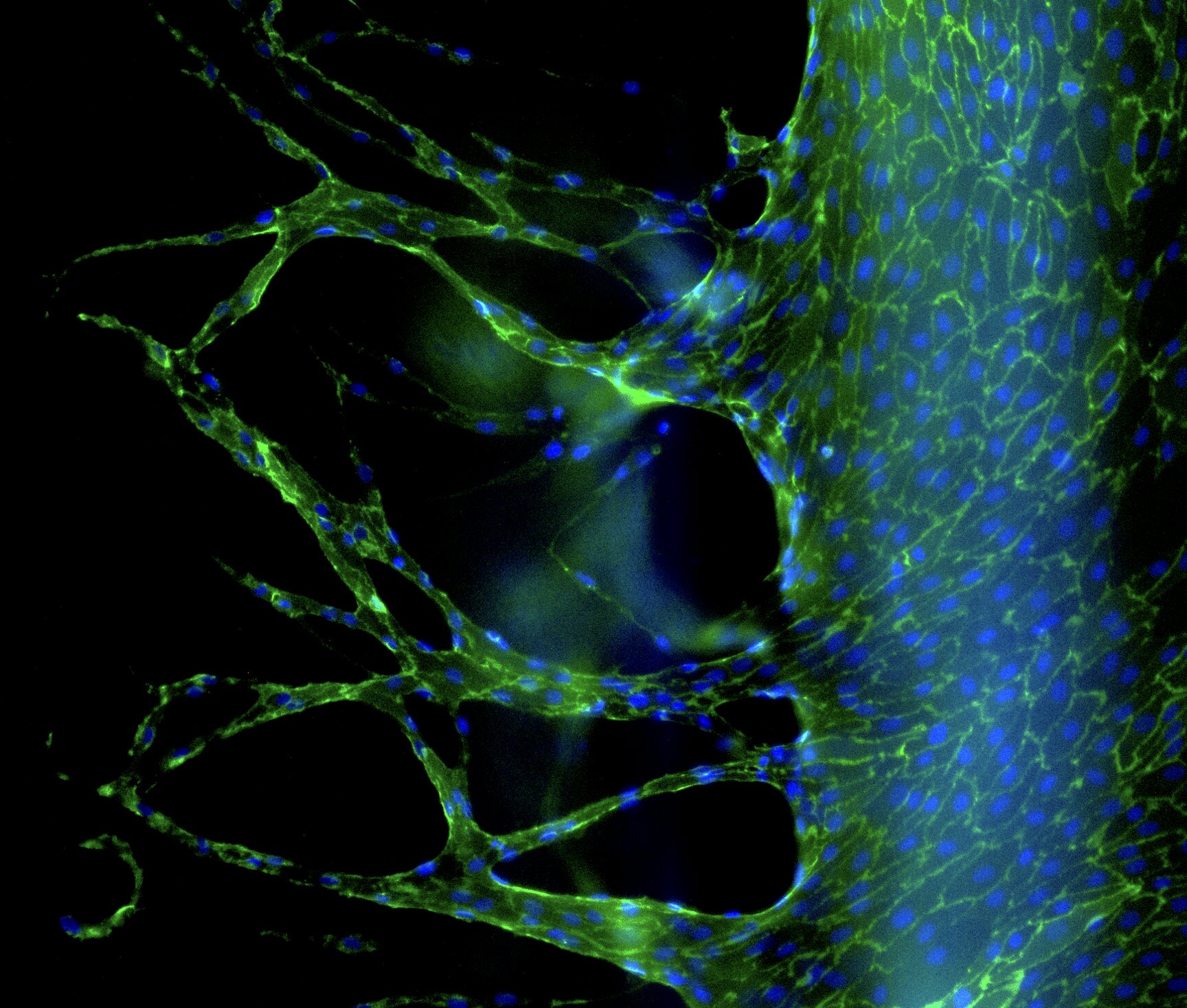
With every heartbeat, blood is pumped through a vast network of vessels throughout our body, delivering vital oxygen, nutrients and other essential substances to even its most remote corners. But these vessels are far more than passive tubes: Their inner walls are covered by a thin layer of specialized cells called endothelial cells, which regulate blood flow, control what passes into surrounding tissues and help coordinate responses to injury.
They even contribute to the specific functions of the organs they serve, such as forming a protective barrier in the brain or supporting filtration in the kidneys. Yet, as we grow older, this finely tuned system can become dysfunctional, increasing the susceptibility to cardiovascular disease and its associated mortality.
Although endothelial cells are essential for vascular and organ function, they are often overlooked in studies of aging. As such, what happens inside endothelial cells as we age, and why their function may deteriorate over time, remains poorly understood. This is the question CeMM principal investigator Laura de Rooij and her team set out to answer.
Rather than studying blood vessels as a whole, they examined the activity of genes in individual endothelial cells. This approach, known as single-cell analysis, makes it possible to see which genes are active in each cell and how their activity changes with age. By bringing together data from previously published single-cell studies, the team saw an opportunity to take a closer look at these cells and uncover patterns of vascular aging that might otherwise have remained hidden.
Source link