This article has been reviewed according to Science X's editorial process and policies. Editors have highlighted the following attributes while ensuring the content's credibility:
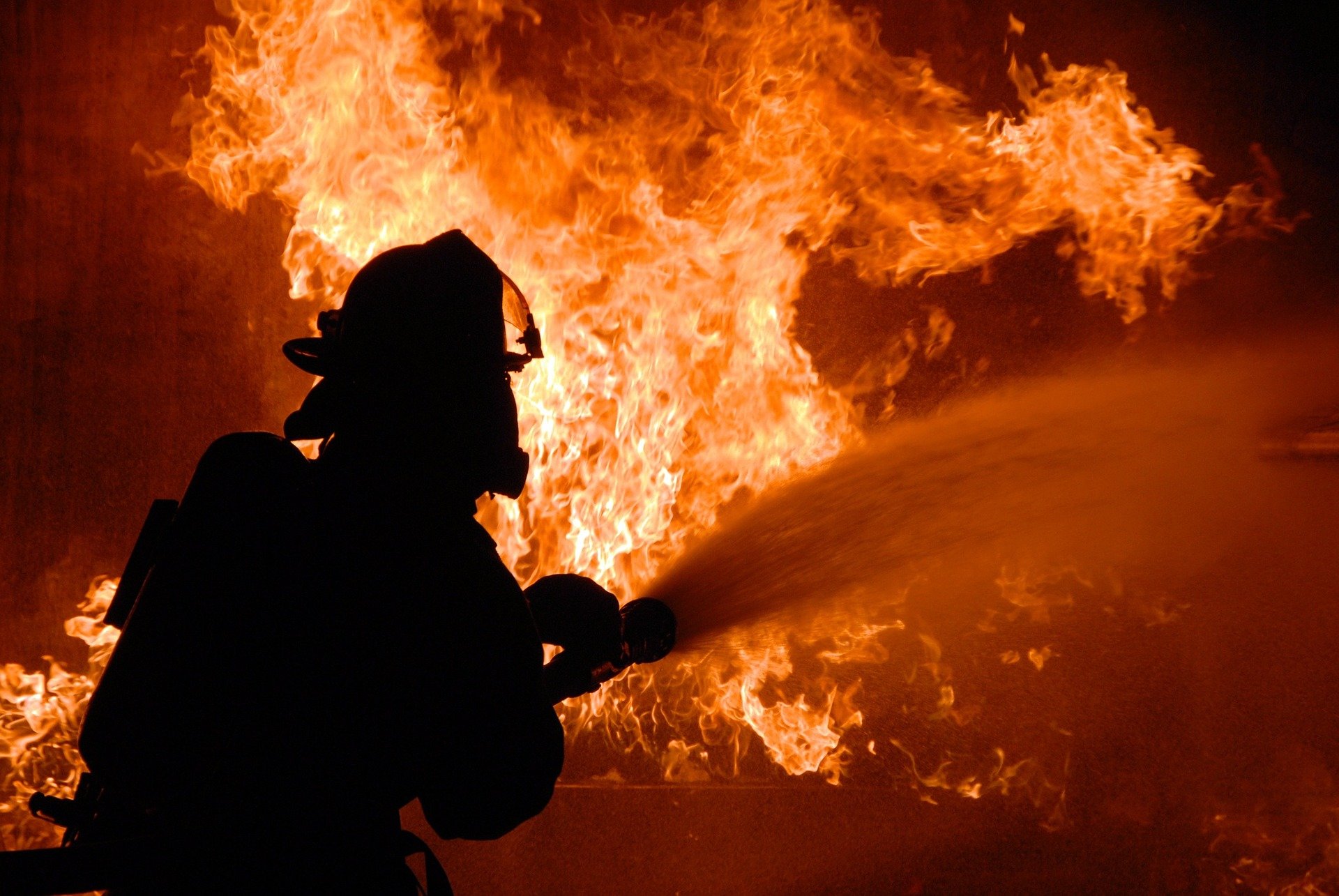
Cardiac events account for nearly half of all on-duty firefighter deaths in the U.S.—a proportion that has steadily increased over the past three decades, according to a Cedars-Sinai Health Sciences University study.
The findings, published in the journal JACC: Advances, suggest that annual health screenings may miss heart conditions that put firefighters at risk of sudden cardiac death. National screening recommendations primarily rely on exercise stress testing, which may not detect some heart conditions.
"Our research shows there may be a blind spot when it comes to routine heart screenings for firefighters in the U.S.," said Alan Kwan, assistant professor of cardiology in the Smidt Heart Institute at Cedars-Sinai and senior author of the study. "Identifying heart conditions when they can be treated is key to addressing these new findings."
Investigators found that many on-duty firefighter deaths involved coronary artery disease, also known as narrowing of arteries that feed the heart. But a greater number were tied to something harder to detect: an enlargement of heart muscle mass.
Heart muscle enlargement, which can take various shapes and forms, is not readily detected by standard exercise stress tests that firefighters undergo as part of their yearly physical. As firefighters train, they build heart muscle, which may represent athletic cardiac changes but also may mask heart muscle changes caused by dangerous cardiac conditions.
"It's possible that national firefighter health guidelines need to be updated to include screening for excess heart muscle mass," said study author Susan Cheng, chair of the Department of Cardiology at the Smidt Heart Institute.
Source link