
This article has been reviewed according to Science X's editorial process and policies. Editors have highlighted the following attributes while ensuring the content's credibility:
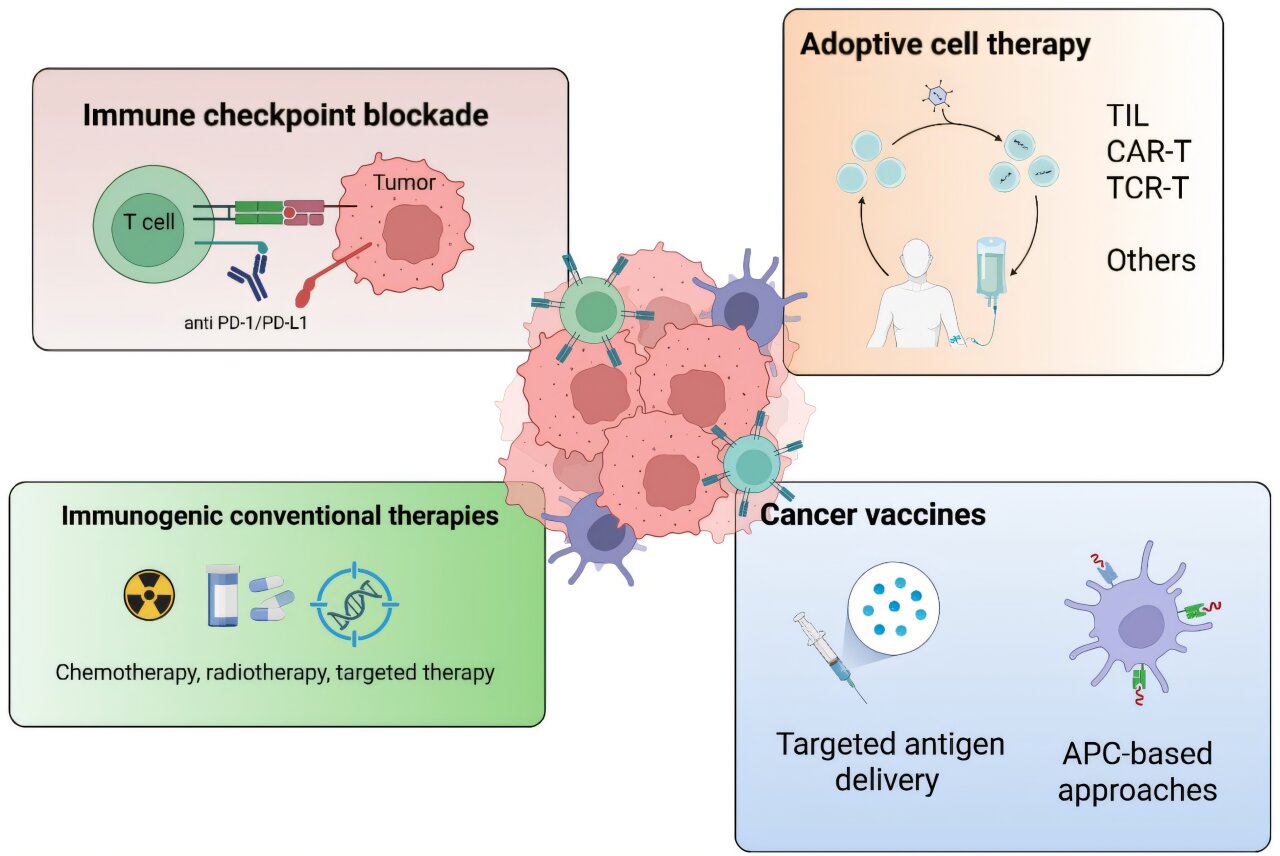
Immunotherapy has transformed cancer treatment, but not all patients experience long-term benefit, as tumor cells can develop ways of evading the immune system. In his doctoral thesis, Lucas Baldran at the Department of Oncology-Pathology investigated whether changes within tumor cells could improve their recognition by T cells, immune cells that can recognize and attack cancer cells. The thesis was supervised by PhD Jeroen Melief. The public defense took place on October 23.
The thesis examined three biological processes that may influence how effectively tumor cells are recognized by T cells. In the first study, blocking proteins known as BET proteins made melanoma cells easier for tumor-specific T cells to recognize. The second study showed that BET inhibition enhanced the tumor cells' response to antiviral signaling. When combined with activation of the cells' antiviral defense system, this led to improved recognition by tumor-specific T cells.
The third study focused on PIKfyve, a protein involved in cellular recycling. Inhibiting PIKfyve made melanoma and sarcoma cells more susceptible to attack by T cells and was associated with reduced tumor spread in a mouse model of metastatic cancer.
By targeting biological processes inside tumor cells, researchers at Karolinska Institutet found ways to improve how effectively tumor cells were recognized by T cells in experimental models. The findings, presented in a doctoral thesis, suggest that altering tumor-cell mechanisms involved in immune evasion may improve recognition by T cells.
Source link





