This article has been reviewed according to Science X's editorial process and policies. Editors have highlighted the following attributes while ensuring the content's credibility:
Psychedelics are a class of compounds that alter people's perceptions, mood and mental processes. Recent clinical studies suggest that some of these compounds, such as lysergic acid diethylamide (LSD) and psilocybin, could be promising for the treatment of depression and other psychiatric disorders.
Despite these encouraging results, the molecular and neural processes via which they could improve psychiatric symptoms remain poorly understood. Delineating these processes could inform future clinical studies and potentially help to devise more effective psychedelic treatments.
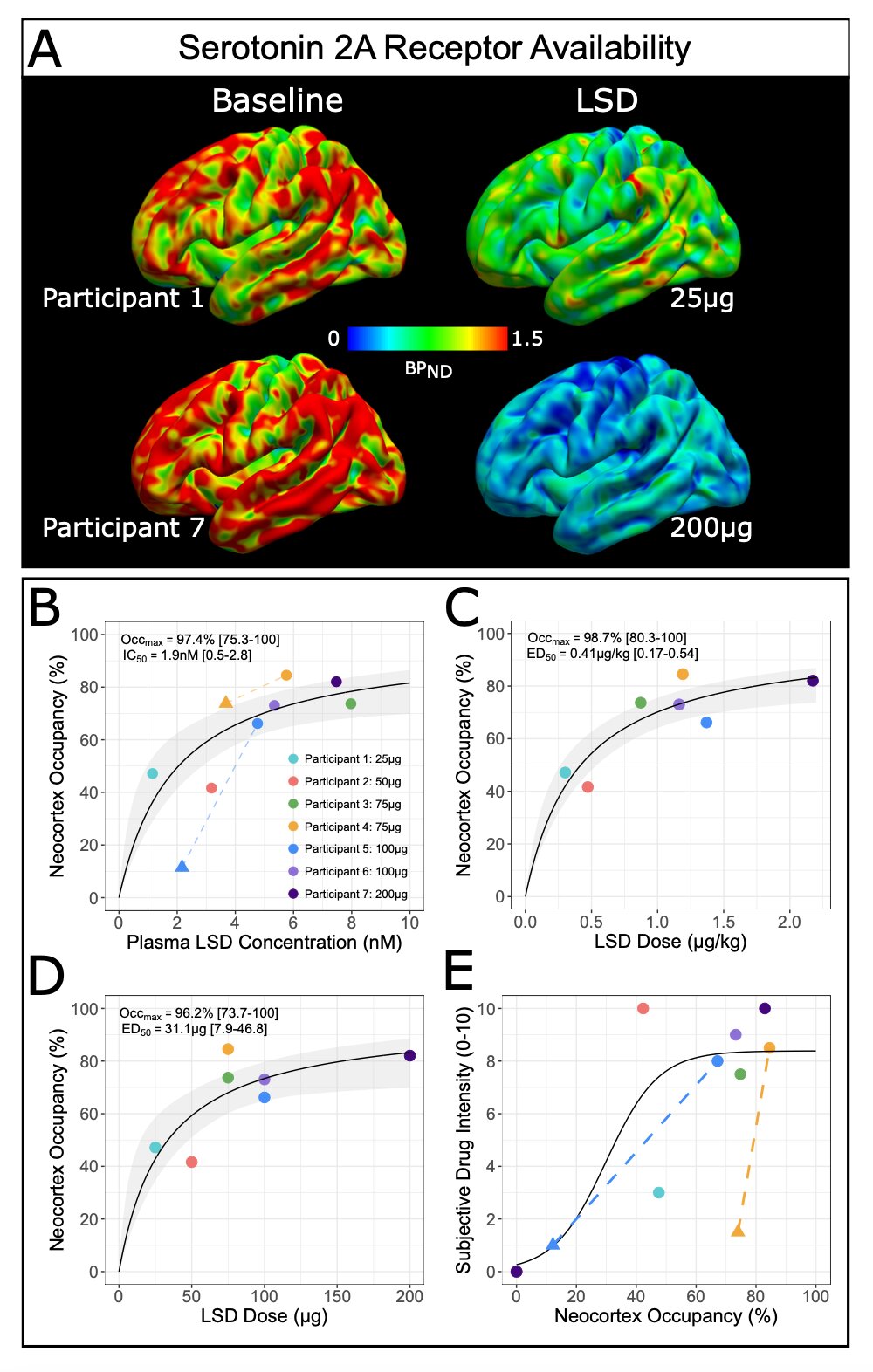
Researchers at Rigshospitalet, the University of Copenhagen and other institutions recently combined different imaging techniques to investigate the effects of LSD on the brains of healthy volunteers, comparing their findings with data collected as part of an earlier study with psilocybin. The results of their analyses, published in Nature Neuroscience, suggest that the two drugs have different effects on cerebral blood flow, while also offering insight into how LSD binds to serotonin 2A receptors in the brain.
"We wanted to better understand how LSD affects the human brain, from its molecular interactions to its effects on brain activity and subjective experience," Gitte Moos Knudsen, co-senior author of the paper, told Medical Xpress.
"Although psychedelics are receiving increasing attention for their potential therapeutic applications, the exact mode of action underlying their effects remains incompletely understood.
Source link