This article has been reviewed according to Science X's editorial process and policies. Editors have highlighted the following attributes while ensuring the content's credibility:
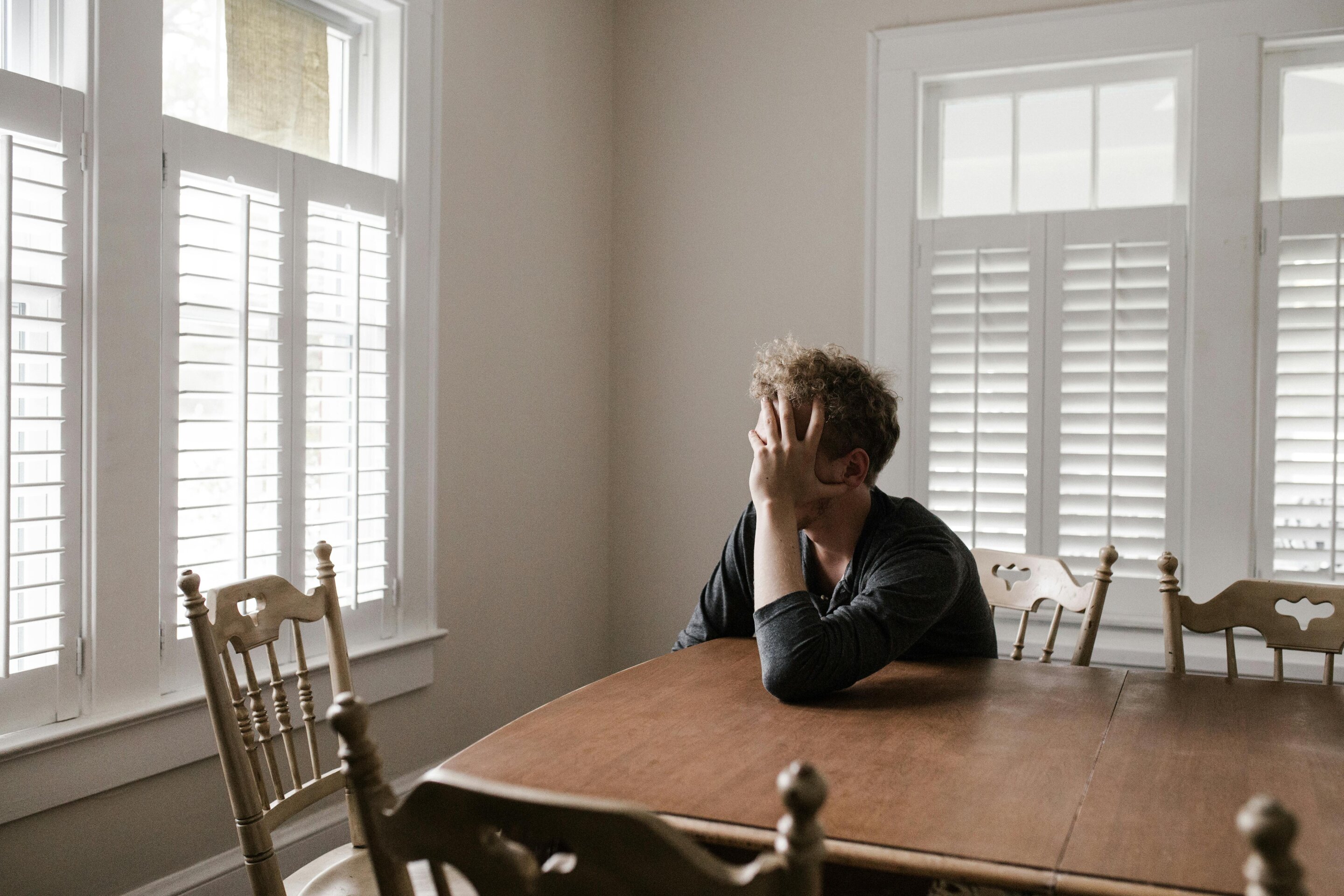
The numbers paint a grim picture. Roughly half of all U.S. adults are lonely, according to a 2023 report, and nearly as many feel socially isolated. Though just as serious as other health risks, loneliness and social isolation remain underappreciated as urgent public health concerns.
But just how many healthy years might loneliness and social isolation actually cost us? Researchers did not have a clear answer—until now.
A team from Tulane University's Celia Scott Weatherhead School of Public and Tropical Medicine has completed a first-of-its-kind observational study, published in Nature Communications, that found loneliness and social isolation are costing people nearly six years of life free from mental disorders like depression and anxiety, with a smaller but still significant toll on physical health.
"Overall, the study found that social isolation and loneliness can have a significant impact on disease-free life expectancy," said lead author Lu Qi, HCA Regents Distinguished Chair and professor at Tulane's Celia Scott Weatherhead School of Public and Tropical Medicine. "This includes both physical and mental disease."
While loneliness and social isolation seem interchangeable and connected in everyday language, public health researchers define them in two separate and distinct ways. Social isolation is an objective measure of the amount of social connection a person has, while loneliness is a subjective measure of a person's dissatisfaction with the quality of their relationships—regardless of how social the person actually is.
Source link