This article has been reviewed according to Science X's editorial process and policies. Editors have highlighted the following attributes while ensuring the content's credibility:
Antibiotic-resistant germs are one of the greatest threats to our health. As the existing arsenal of antibiotics loses its effectiveness, even routine treatments can become considerably more risky. This "silent pandemic" is exacerbated by the ability of microorganisms to form biofilms. These extremely tenacious accumulations of germs can become a particular problem in hospitals. Antibiotics and disinfectants can hardly penetrate these films. In addition, biofilms promote the further spread of antibiotic resistance to other bacteria.
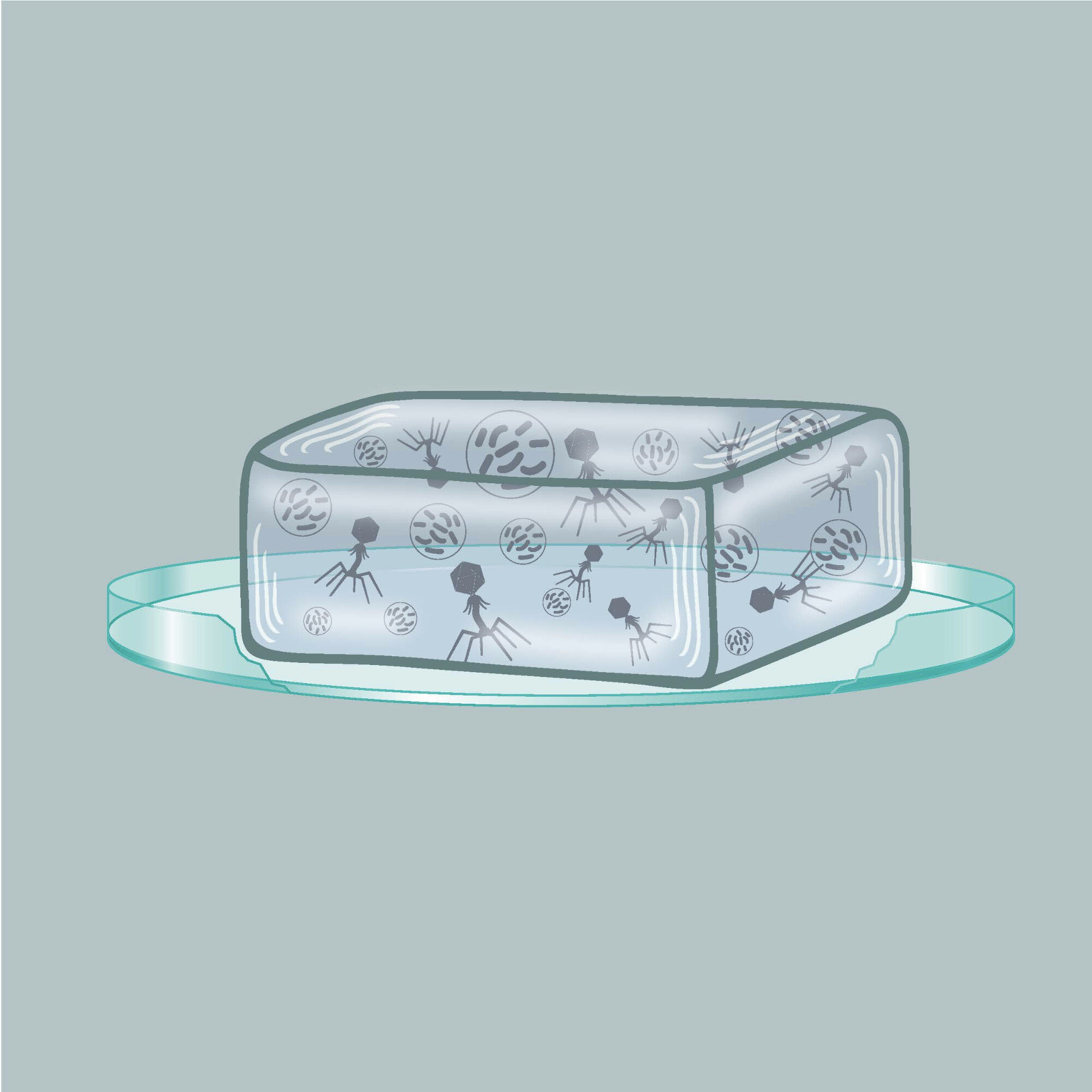
Researchers at Empa are therefore working on new "living" therapeutic materials tailored to antibiotic-resistant bacteria and biofilms. To do this, they use beneficial viruses—known as phages—that exclusively target bacteria and can kill resistant pathogens in infected wounds. In addition, probiotic lactic acid bacteria are synergistically introduced into the wound to attack the biofilm.
Effective treatment is achieved by a unique delivery approach using two different biomaterials to release these microbes. Initial laboratory studies on the effectiveness of the dual treatment yielded promising results.
The combination of phages and probiotic bacteria is particularly beneficial in the treatment of infected wounds, as the two microorganisms complement each other perfectly with their different modes of action. "The specific phages attack their host pathogens quickly and destroy multi-resistant germs without harming the beneficial bacterial flora in the area," says Qun Ren, an Empa researcher at the Biointerfaces laboratory in St. Gallen.
The probiotic lactobacilli, on the other hand, exhibit their antimicrobial effect somewhat later, but additionally promote wound healing by supporting tissue regeneration, according to the researcher.
Source link