This article has been reviewed according to Science X's editorial process and policies. Editors have highlighted the following attributes while ensuring the content's credibility:
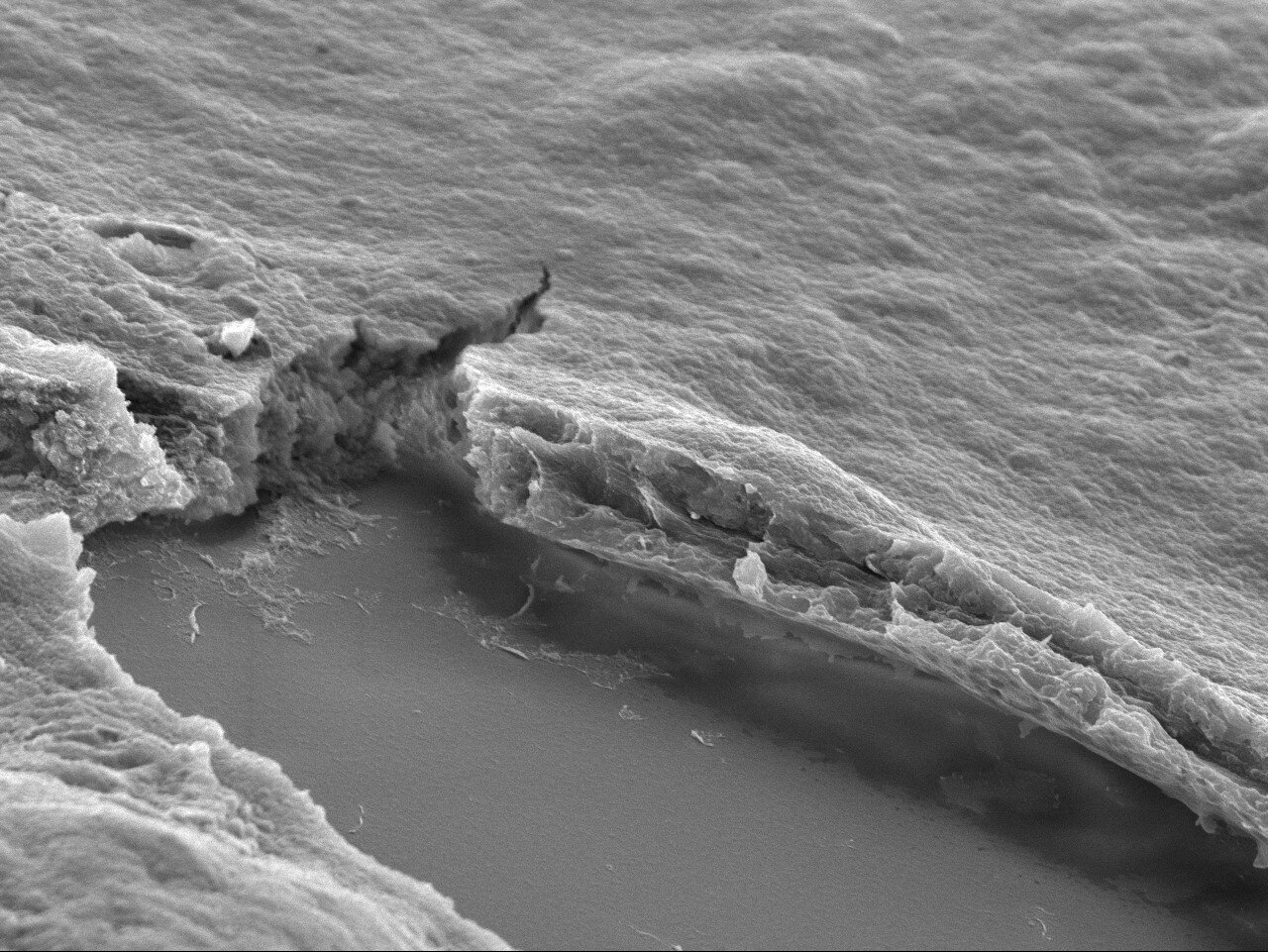
A "living medicine" has thinned biofilms of antibiotic-resistant Pseudomonas aeruginosa in the lungs of pigs, according to the findings of a study published in the journal eBioMedicine. The experimental treatment involves inhaling a genetically modified bacterium designed to target layers of drug-resistant Pseudomonas aeruginosa that grow on the surfaces of endotracheal tubes used in hospitals.
It's the first time the experimental treatment, which has previously only been shown to tackle biofilms in mice, has also worked in pigs, a large animal with lungs that are similar in size, structure and immune response to human lungs.
It's also the first time the treatment has been shown to be administrable through a nebulizer, the same type of medical device human patients would use. Breathing in the "living medicine" thinned the biofilm inside breathing tubes from 6.08 to 3.67 micrometers, reducing thickness by around 40%.
The treatment involves Mycoplasma pneumoniae, a bacterium which normally causes a mild lung infection but, through genetic engineering, has been repurposed to be harmless for humans. The engineered bacterium was loaded with genes that dissolve sugars holding a biofilm together, as well as toxins that specifically only target Pseudomonas aeruginosa.
"Our study is part of an emerging field of medicine known as live biotherapeutics. In this case we've taken a bacterium naturally adapted to the lung and reprogrammed it so that it delivers therapeutic molecules instead of causing damage.
Source link