This article has been reviewed according to Science X's editorial process and policies. Editors have highlighted the following attributes while ensuring the content's credibility:
A key factor in identifying a biomarker for treatment-resistant schizophrenia (TRS) is understanding whether there are biological differences between treatment-resistant and non-treatment-resistant patients. Approximately 25% of all schizophrenia patients do not respond to medication. To better treat these patients, scientists at the Max Planck Institute of Psychiatry (MPIP) collected comprehensive data on cell distributions and proteins from cerebrospinal fluid (CSF) samples taken from patients with and without TRS. When they compared these concentrations with those in the blood, they found elevated levels of the protein albumin in the CSF.
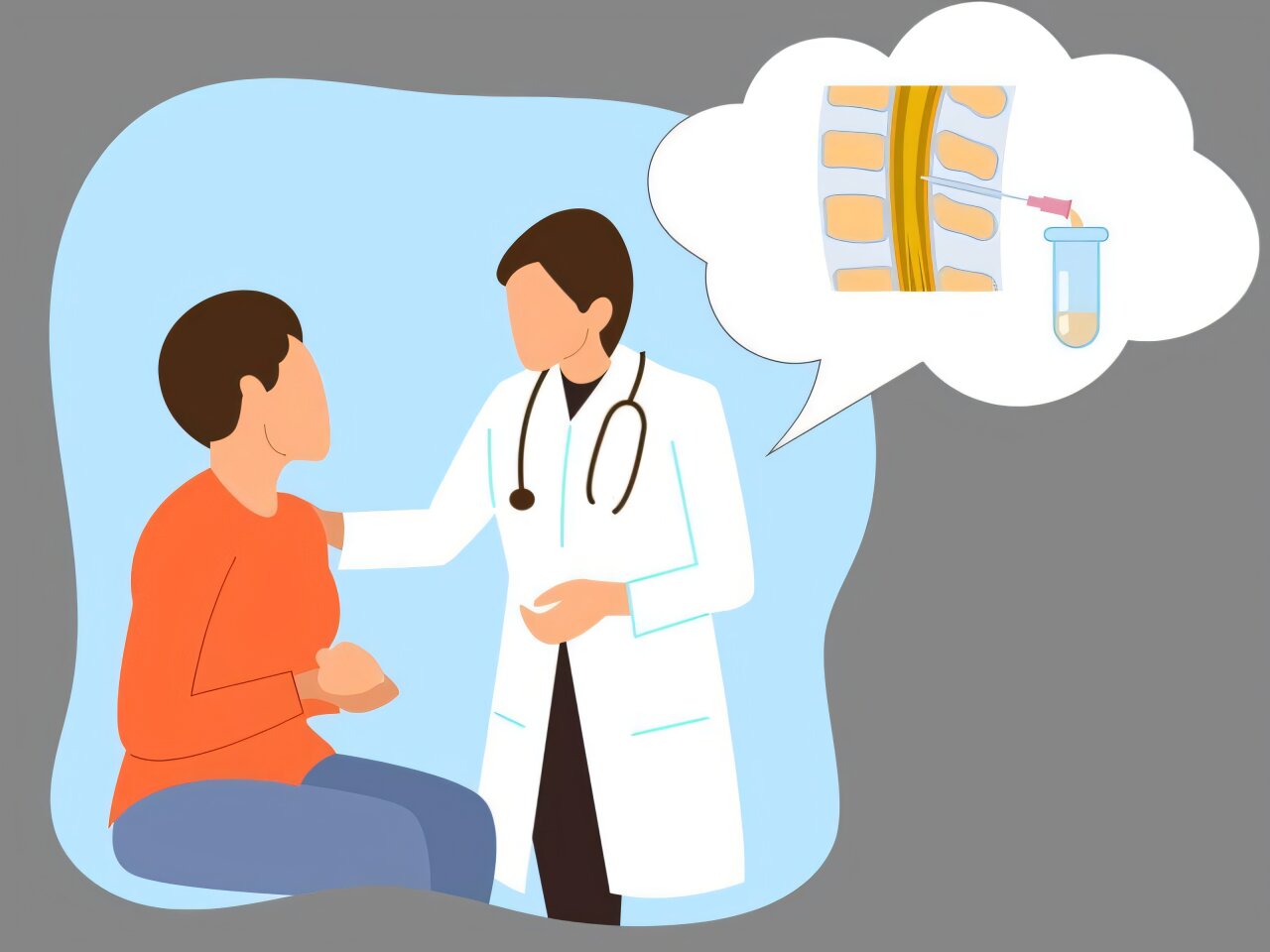
Cerebrospinal fluid is the fluid that surrounds and protects the brain and spinal cord. Albumin is a protein produced exclusively in the liver and then transported via the blood into the cerebrospinal fluid. Albumin levels are routinely measured during a lumbar puncture. If the blood-cerebrospinal fluid barrier is functioning properly, the albumin levels in the cerebrospinal fluid and in the blood should be in a specific ratio to one another.
"However, in patients with TRS, we found significantly higher albumin ratios compared to the control group," explains Lars Reitz, one of the lead authors of the study published in Nature Mental Health. "This tells us that the blood-cerebrospinal fluid barrier is not functioning as it should in this patient group."
Based on the study, the team cannot say whether TRS causes changes in barrier function or vice versa.
Source link