This article has been reviewed according to Science X's editorial process and policies. Editors have highlighted the following attributes while ensuring the content's credibility:
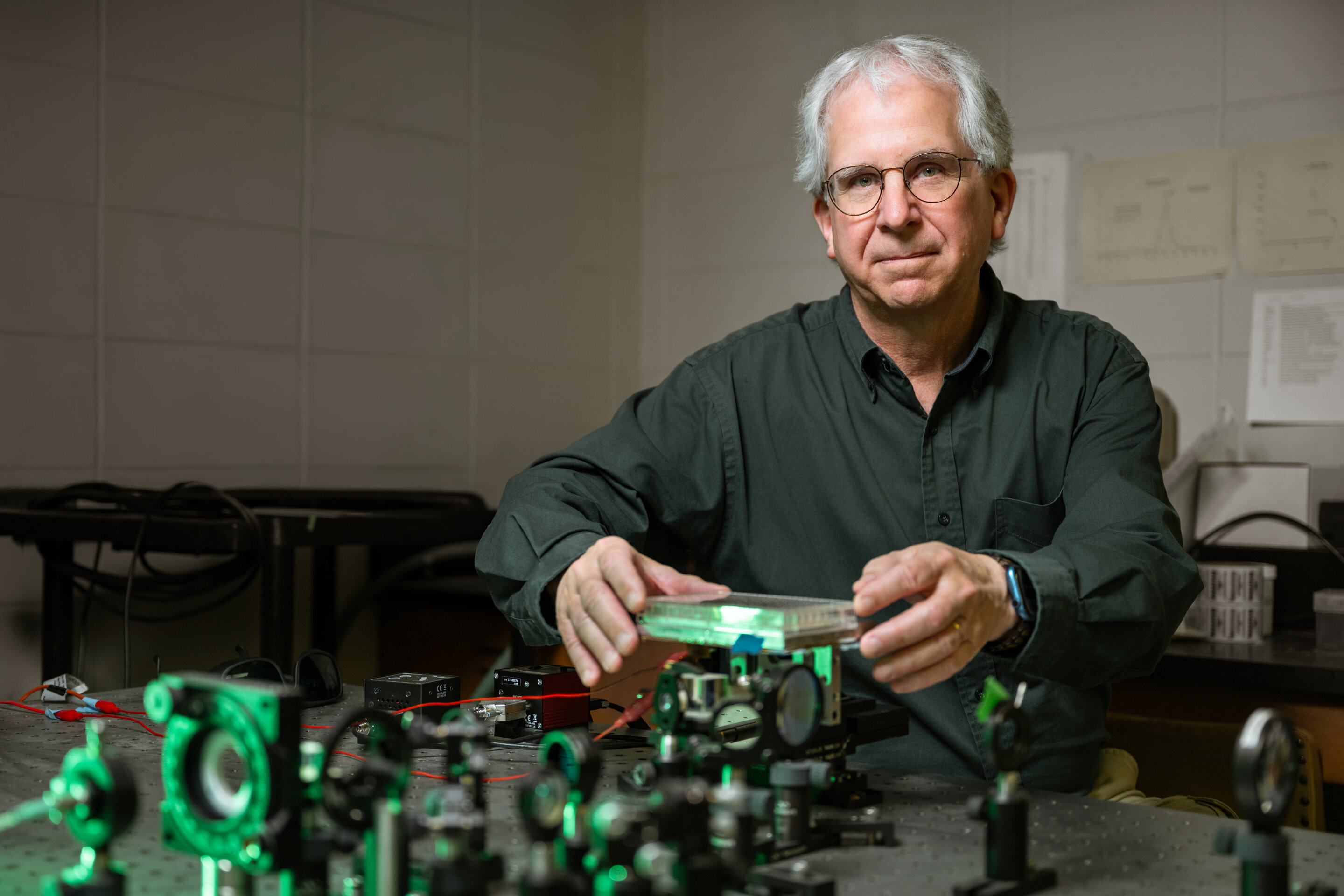
Like each person, each cancer is unique. And with the growing array of chemotherapy drugs available, gaining early insight into how individual tumors respond to specific drugs would help improve treatment. Harnessing the tools of laser light, the Doppler effect and AI, Purdue University scientist David Nolte is building an imaging system to do just that.
Nolte's goal is to personalize and improve chemotherapy treatment. In a project launched this spring that will test its capabilities, the system is being used to assess experimental chemotherapy drugs for osteosarcoma, a common and often serious bone cancer. The unique data the system gathers will one day pinpoint the best drugs for the individual tumor, shortening the costly, time-consuming pipeline that stands between a lab bench and a patient in need.
Nolte, the Edward M. Purcell Distinguished Professor of Physics and Astronomy and a member of the Purdue Institute for Cancer Research, hopes the system will be used for a rapid evaluation of patient biopsies obtained during diagnosis, which will help doctors choose the most effective chemotherapy for each patient. He envisions a wide variety of uses for his "biodynamic imaging" system in health care and life sciences.
"All living systems are basically little machines, and cancer drugs affect how those machines run. This means that some things move faster in some parts and slow down in others, and we can see those changes," Nolte said.
Source link