This article has been reviewed according to Science X's editorial process and policies. Editors have highlighted the following attributes while ensuring the content's credibility:
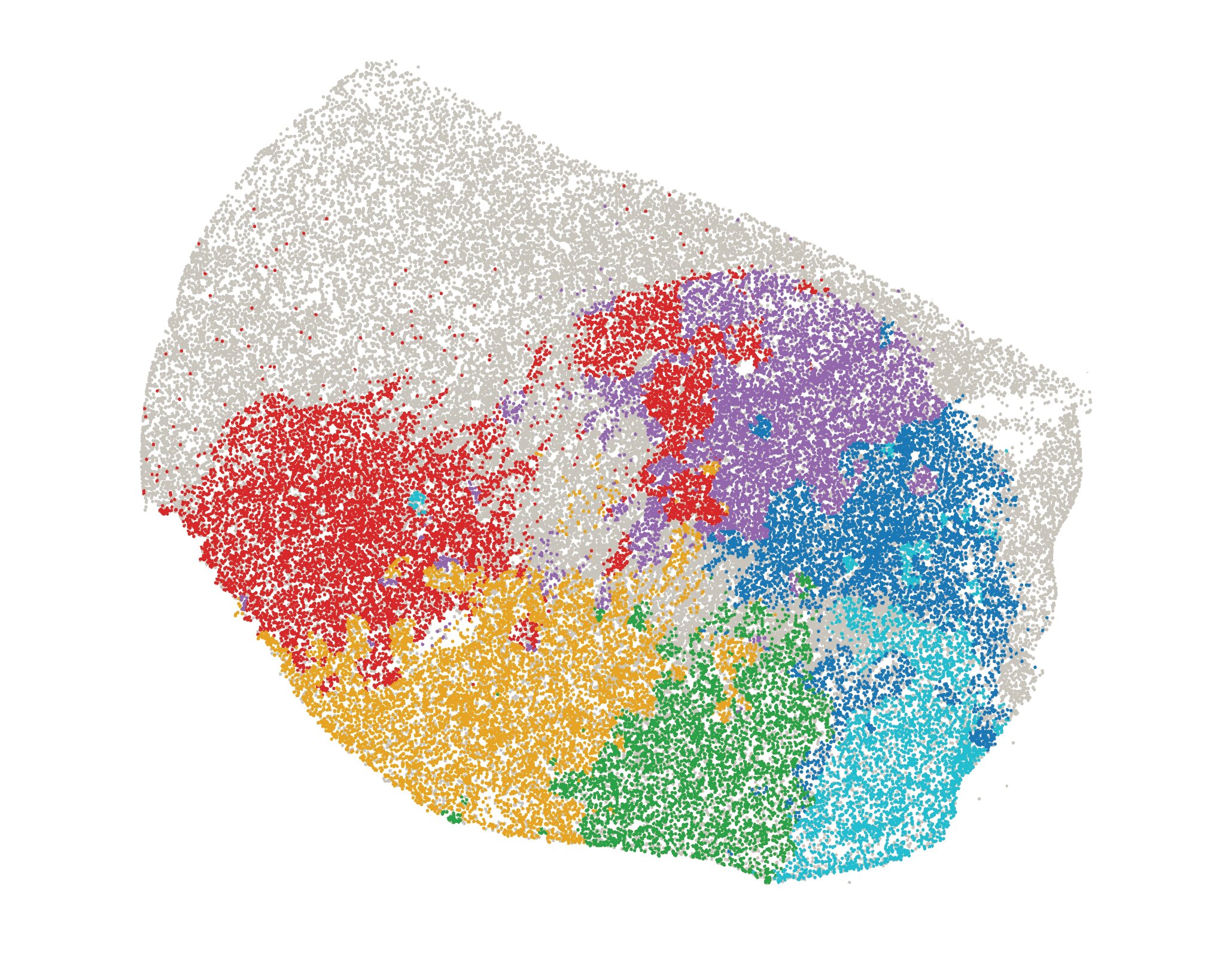
Scientists in the Center for Human Brain Variation at the Broad Institute have charted previously hidden architecture and patterns of cellular makeup in a key part of the brain called the striatum, which is involved in decision-making and movement and is affected in psychiatric disorders, addiction and neurodegeneration. The findings reveal six new zones within the striatum based on gene expression patterns. They also demonstrate how the zones' boundaries blur with age and highlight ways that advancing age and genetic variation affect gene expression in the brain.
The discoveries are from Broad-led studies that appear alongside two dozen other studies in Cell and related journals from hundreds of scientists in the BRAIN Initiative Cell Atlas Network (BICAN), a flagship project of the National Institutes of Health's BRAIN Initiative, which aims to build a detailed cellular map of the human brain.
"The findings of genomics and neuroscience over the last decade have uncovered incredible complexity in the brain that can seem overwhelming, but by identifying structures and organizing principles as we've done here, we can make sense of that complexity and its relevance to human health and disease," said Evan Macosko, study leader, core institute member and the Edward Scolnick Professor of the Broad Institute, and an associate professor of psychiatry at Massachusetts General Hospital and of neurobiology at Harvard Medical School.
With the goal of eventually mapping the whole human brain, BICAN researchers first set out to study the basal ganglia, a network of structures that regulate movement and behavior and influence many diseases and conditions.
Source link