This article has been reviewed according to Science X's editorial process and policies. Editors have highlighted the following attributes while ensuring the content's credibility:
A new Cochrane review finds that existing evidence is too uncertain to determine whether medical cannabis improves sleep or daytime functioning in people with insomnia.
Insomnia is a common sleep disorder that makes it hard to fall asleep or stay asleep and can leave people feeling unrefreshed when they wake up. It can have a severe impact on a person's quality of life and make them much more vulnerable to developing anxiety or depression over time.
Existing treatment options include cognitive behavioral therapy and drugs, including antidepressants and antipsychotics, but their effectiveness varies.
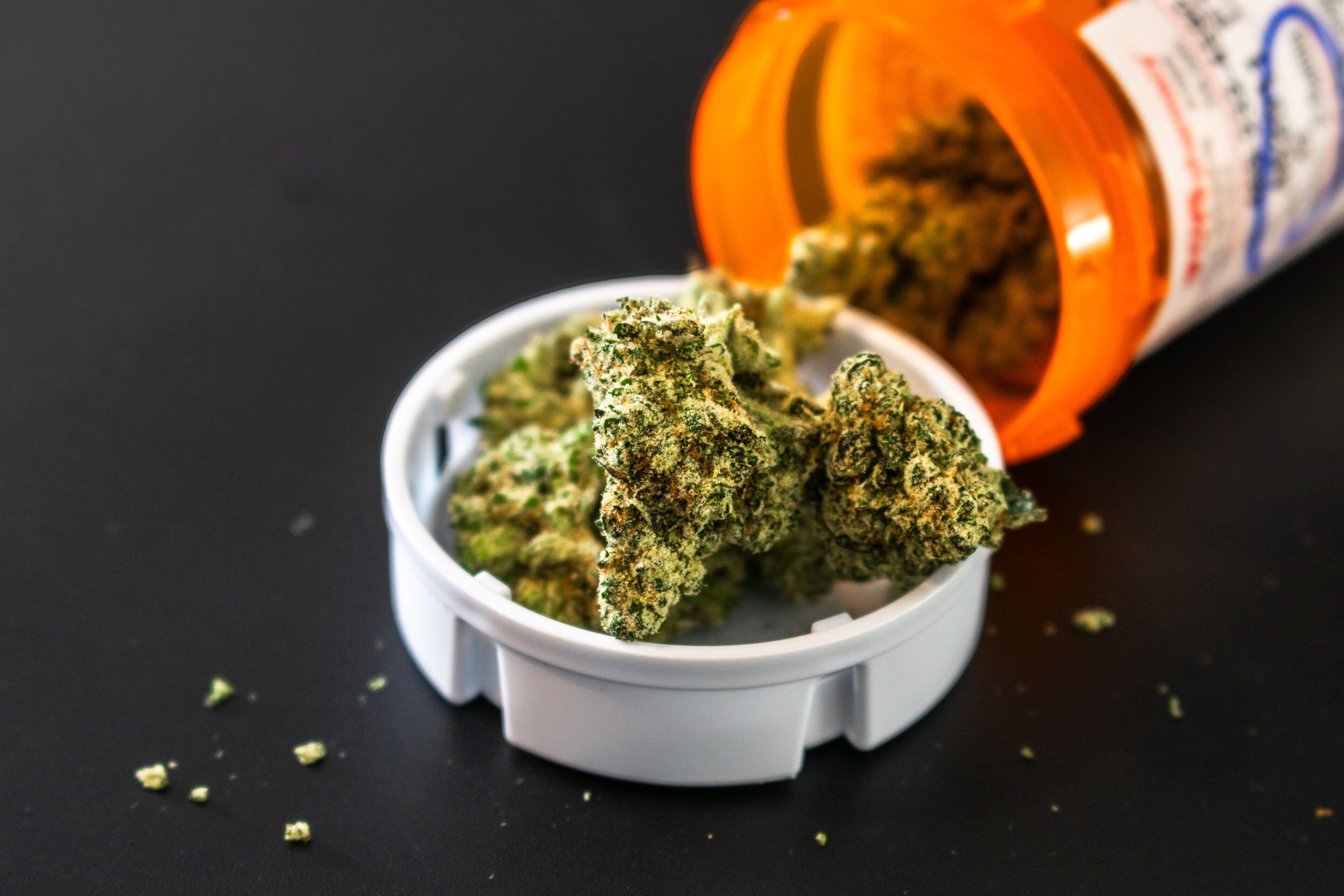
In recent years, there has been growing interest in medical cannabis as an alternative treatment for insomnia because of its reported benefits in improving sleep. In clinical settings, this typically involves controlled, tested ratios of THC and CBD in the form of tablets, sprays or oils. However, the use of medical cannabis for insomnia remains contentious, and evidence is limited.
Led by researchers from The Cochrane Associate Centre at the Universidad Hospital Italiano de Buenos Aires and the University of Manitoba, the review included nine studies involving 537 adults ages 18 to 76 who were treated for insomnia. Most studies focused on people with primary insomnia rather than insomnia linked to other health conditions. Eight of the nine trials compared regulated medical cannabis with a placebo; one compared it with the antidepressant amitriptyline.
Source link