This article has been reviewed according to Science X's editorial process and policies. Editors have highlighted the following attributes while ensuring the content's credibility:
Losing feeling in your hands can make everyday activities like cooking, driving or texting a struggle. Procedures that use electricity to substitute for or help regain nerve function can help, but over time, these treatments lose effectiveness as the brain adjusts to artificial stimulation, a process known as habituation. A team of researchers, led by an engineer from Penn State, is using advanced imaging techniques to better understand the mechanics behind habituation, pinpointing optimized treatment settings that could eventually help address the problem in patients who have had strokes or amputations.
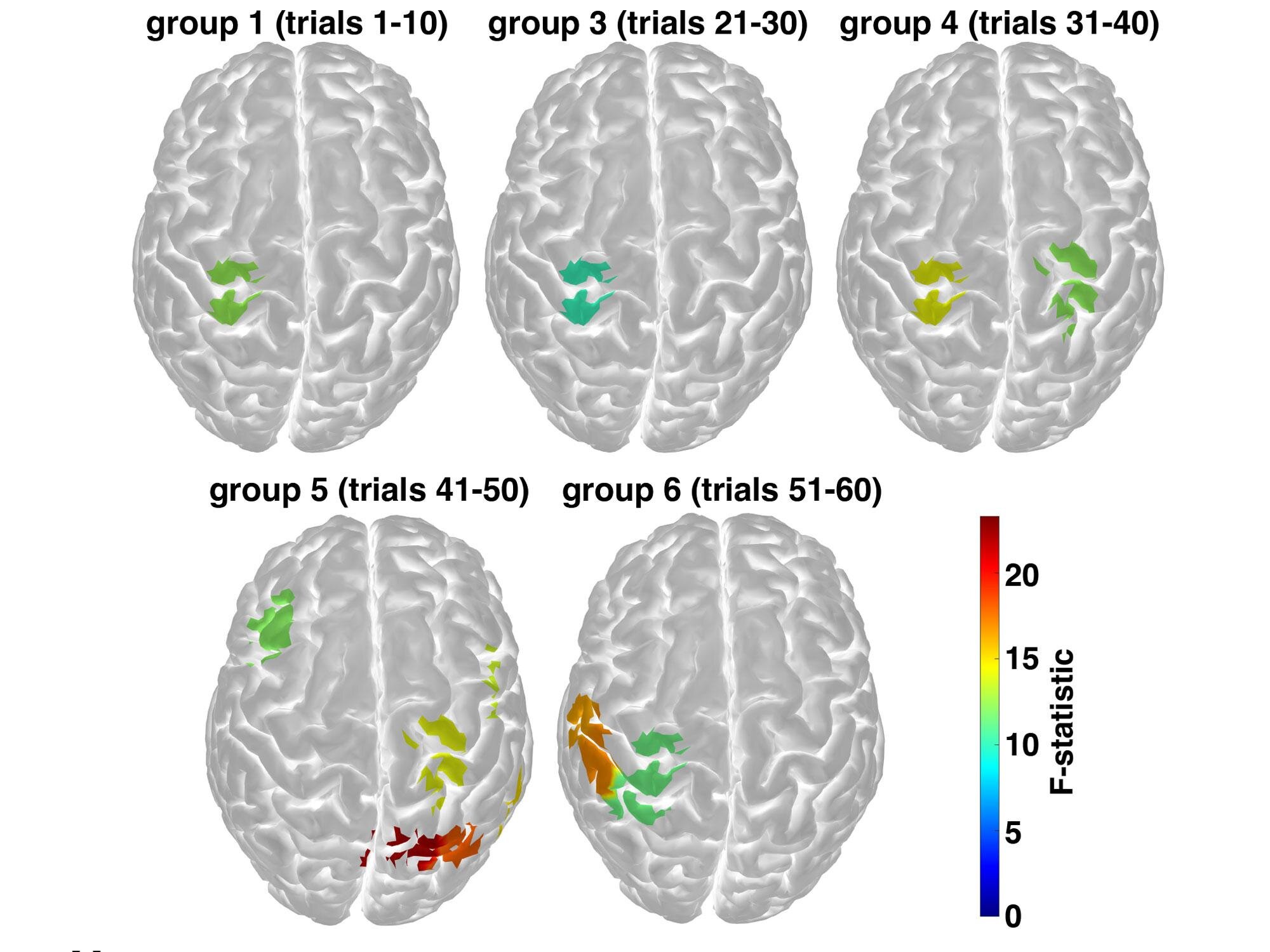
In a paper published in IEEE Transactions on Medical Imaging, the team monitored the brain activity of 10 healthy participants during transcutaneous nerve stimulation (TNS), a treatment that uses tiny electrodes placed on the body to stimulate nerves and, in turn, elicit a sensory response in the brain. Adjusting variables over several tests, the team identified optimal settings that allowed for sustained sensation over 45 minutes with no change in feeling or stability.
Although participants reported no habituation, imaging showed that the engaged areas of the brain changed over the course of the experiment, offering new insight into this misunderstood brain phenomenon.
Sensory stimulation can be administered with electrodes placed on the skin, or even through electrodes implanted directly into a patient's brain. Regardless of the application method, Xiaogang Hu, Penn State Dorothy Foehr Huck and J.
Source link