This article has been reviewed according to Science X's editorial process and policies. Editors have highlighted the following attributes while ensuring the content's credibility:
The first U.K.-wide analysis of bowel screening for patients with inflammatory bowel disease (IBD) has identified opportunities to improve the early detection of cancer. The study—the largest of its kind globally—found that checks performed by professionals with regular experience, more time allowed for the procedure and the use of a special dye to improve visibility were each associated with finding small growths called polyps, which may become cancer.
The study is published in the Journal of Crohn's and Colitis.
Experts say the findings provide a starting point for measuring and improving care for those with IBD, and support further investigation into whether more consistent pathways and protected time could lead to better patient outcomes.
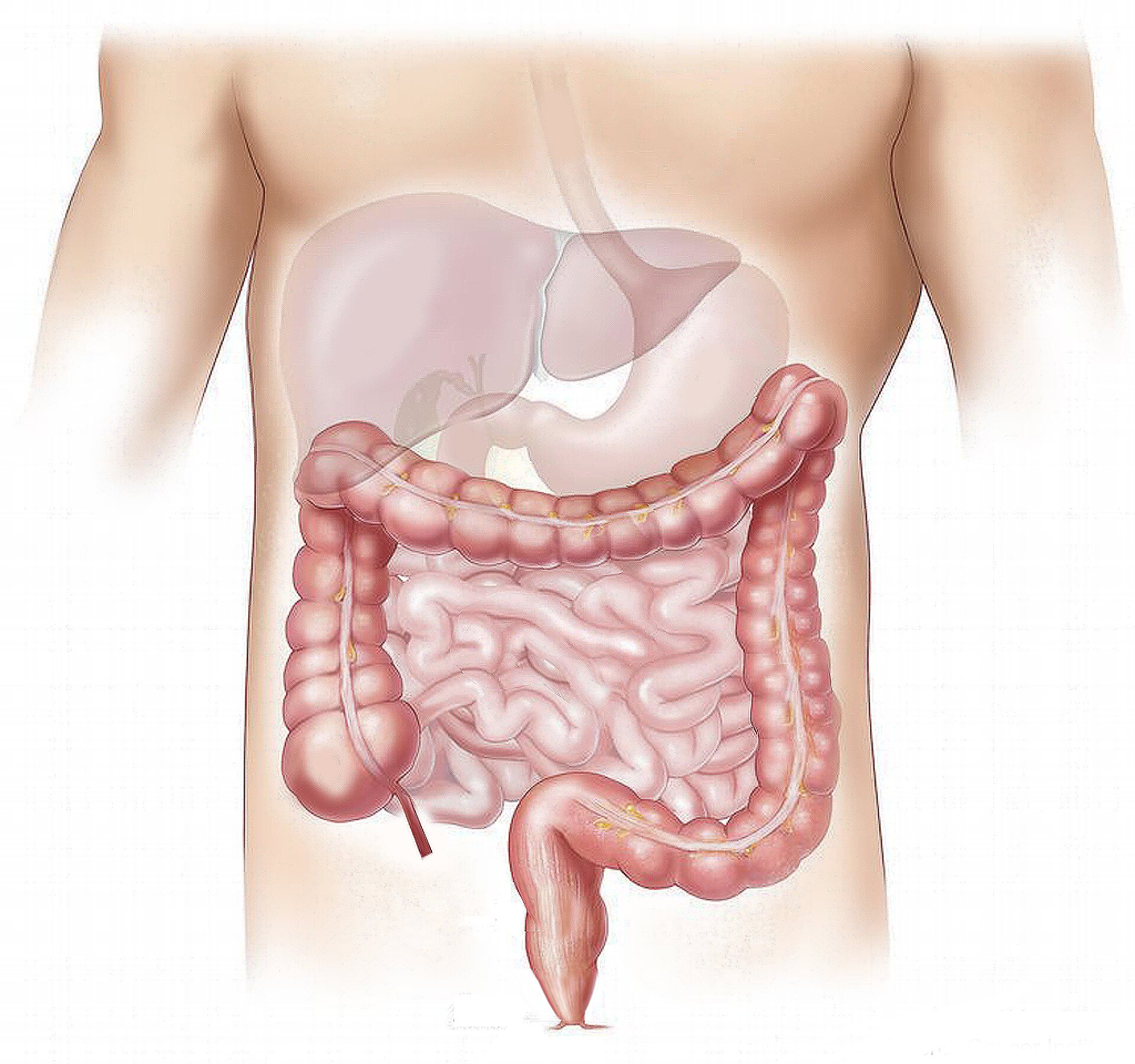
People with IBD that affects the large bowel—such as Crohn's disease or ulcerative colitis—have a higher risk of bowel cancer. Regular camera checks, known as endoscopies, can find early changes. These are usually scheduled alongside other hospital procedures, which can make consistent care harder to plan.
Researchers, led by the University of Edinburgh, carried out the first national-scale analysis of U.K. data on the quality of IBD endoscopies to see how the checks are being delivered and what factors are associated with finding polyps, some of which may be precancerous.
K. endoscopy units. This included almost 16,000 procedures in 2024 by 4,669 endoscopists, who perform the tests.
Source link