
This article has been reviewed according to Science X's editorial process and policies. Editors have highlighted the following attributes while ensuring the content's credibility:
Traumatic muscle injuries, whether from battlefield wounds, gunshots, surgical resections, or major open fractures, can cause volumetric muscle loss (VML), the loss of so much tissue that the muscle cannot regenerate on its own. Recovery typically brings chronic inflammation, scarring, and permanent weakness. Current treatments remain palliative, with none reliably restoring the lost muscle.
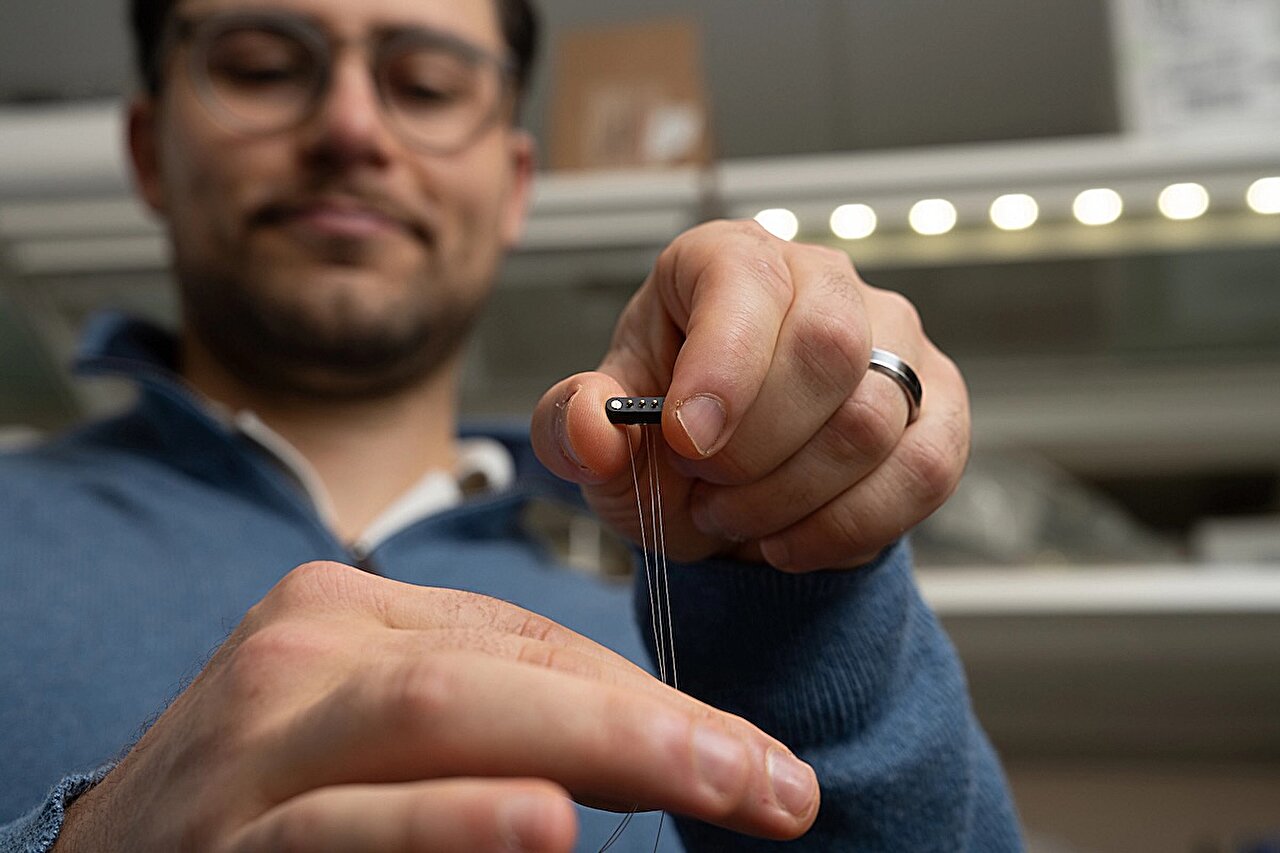
A multi-institution research team led by Carnegie Mellon University and the University of Pittsburgh has developed an implanted platform that delivers targeted electrical stimulation to severely injured muscle tissue. In work published in Acta Biomaterialia, the team showed that early, daily stimulation during the acute post-injury window helped damaged skeletal muscle regain near-normal strength, identifying a therapeutic window that had been out of reach. The research highlights several years of collaborative work on this project under the Regenerative Electronic Platform through Advanced Intelligent Regulation (REPAIR) initiative.
"These results demonstrate that early bioelectronic intervention can steer injured tissue toward repair rather than scarring," said Tzahi Cohen-Karni professor of materials science and engineering and biomedical engineering at Carnegie Mellon, who co-led the project with Bryan Brown, professor of bioengineering at the University of Pittsburgh.
While electrical stimulation has long been recognized as a driver of muscle maturation and nerve activation, applying it early in VML has been hampered by the need to apply general anesthesia for every session. This logistical constraint limited how frequently stimulation can be delivered during the crucial initial days of healing.
Source link





