This article has been reviewed according to Science X's editorial process and policies. Editors have highlighted the following attributes while ensuring the content's credibility:
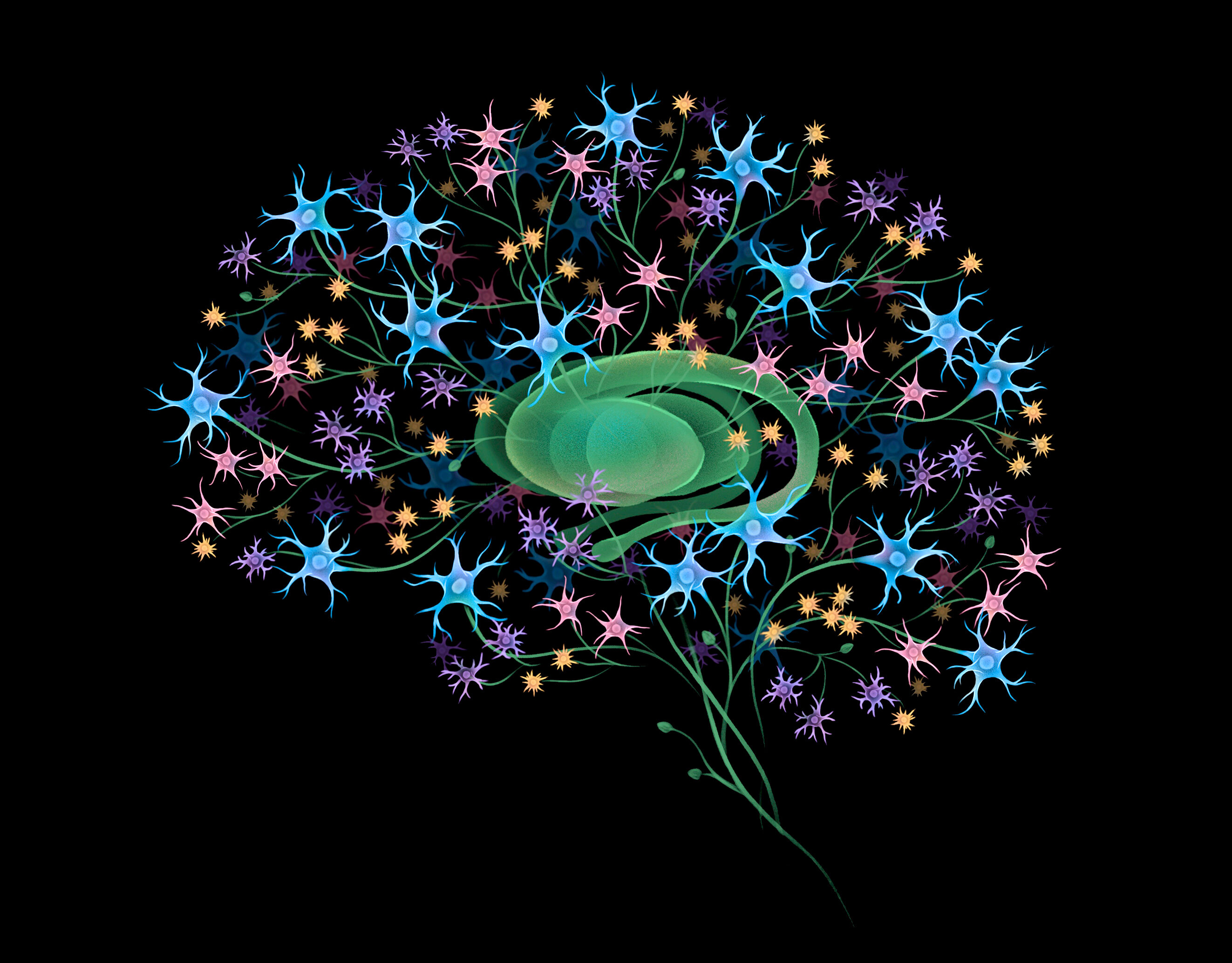
Salk Institute researchers have contributed to a landmark accomplishment in neuroscience: a 3D atlas of the human basal ganglia with single-cell genetic and epigenetic detail, published as a collection of 28 papers across Cell Press journals. The basal ganglia are a group of nerve cells that sit deep in the brain, where they control key functions like learning, emoting and moving. Basal ganglia dysfunction can lead to conditions like Parkinson's disease, Huntington's disease, Tourette syndrome and addiction.
The atlas offers a new window into the brain, through which scientists can identify and pinpoint each cell in the human basal ganglia. This comprehensive database of brain cells and functions could be used to create personalized therapeutics, identify relevant epigenetic and genetic targets for gene-editing therapies, and link genetic risks with particular cell types for more targeted, effective treatments.
The effort is part of the Brain Research Through Advancing Innovative Neurotechnologies Initiative, or the BRAIN Initiative, a massive collaboration launched in 2014 that brings together scientists to "revolutionize our understanding of the human brain."
This latest batch of papers is a part of the BRAIN Initiative Cell Atlas Network (BICAN), a subgoal dedicated to "mapping brain cells and circuits across multiple species, with an emphasis on humans."
"What BICAN is really all about is coming together to roll up our sleeves and, one by one, identify and characterize every cell in the brain," says Margarita Behrens, research professor at Salk and the senior author of multiple papers in the BICAN package.
Source link