This article has been reviewed according to Science X's editorial process and policies. Editors have highlighted the following attributes while ensuring the content's credibility:
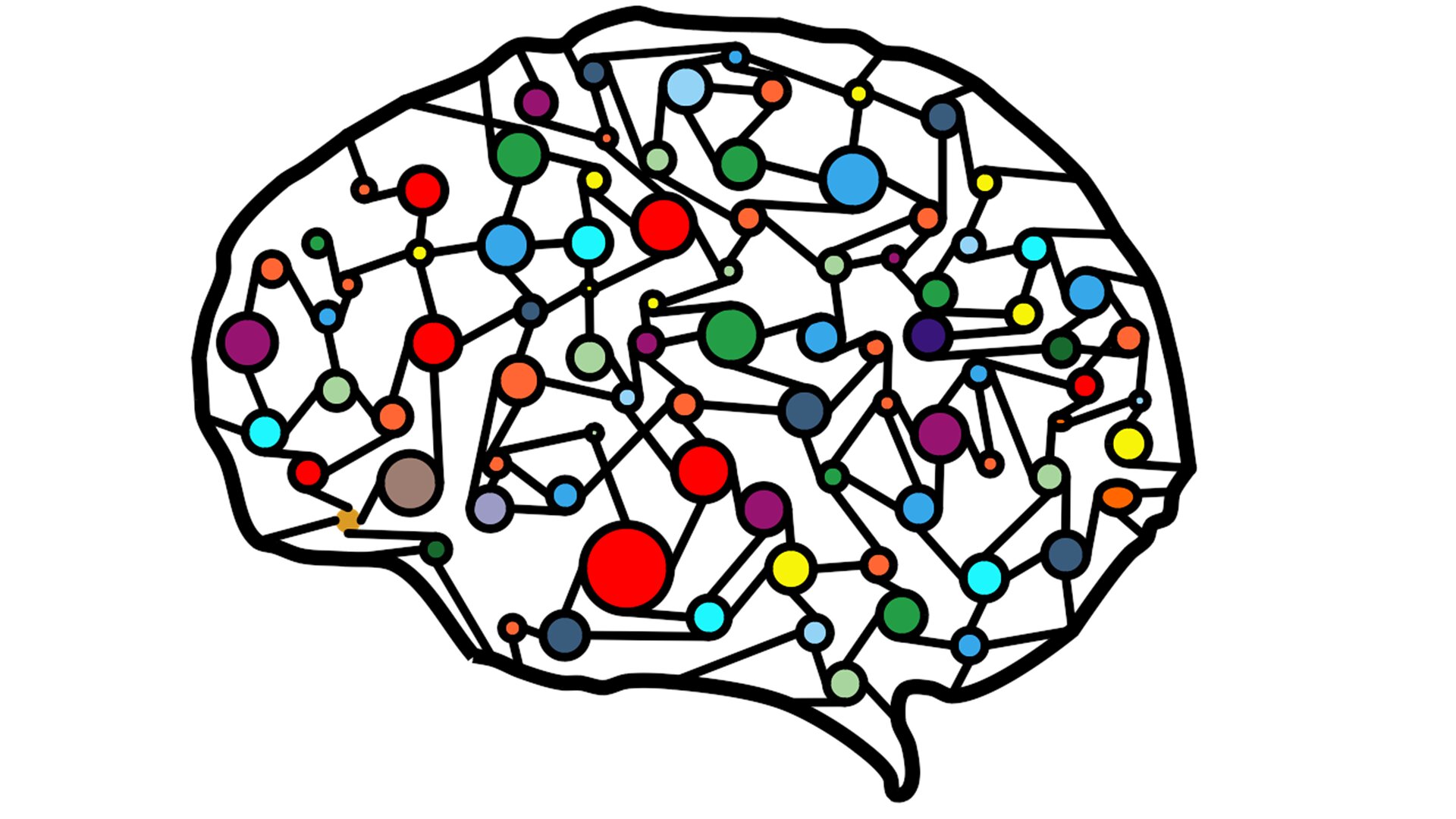
The development of brain organoids is advancing at a breakneck pace. Researchers are creating tiny cell clusters in the lab that behave like fragments of the human brain. Whether such organoids could develop intelligence—or even consciousness—remains a matter of debate. Professor Lucia Melloni of Ruhr University Bochum, Germany, and Professor Stanislas Dehaene of the Collège de France in Paris propose an experimental framework to answer this question. Their article was published in a special issue on brain organoids of the journal Neuron on Nov. 11, 2026.
"I don't believe that brain organoids currently possess consciousness," says Melloni, who conducts research at Ruhr University Bochum and at the Research Center One Health Ruhr within the University Alliance Ruhr. "But given the pace with which the technology is advancing, they may do so in the future. That's why we need to start thinking about how we can find out." Melloni and Dehaene have developed an experimental approach to do just that.
Organoids are grown from human pluripotent stem cells. Through specific chemical treatments, they differentiate into tiny cell clusters in a petri dish that behave, for example, like specific brain regions, the heart or the gut. Researchers have already shown that human organoids can be implanted into mouse embryos, where they form connections with the embryo.
Different types of organoids can be coupled into assembloids in order to study their interactions.
Source link