This article has been reviewed according to Science X's editorial process and policies. Editors have highlighted the following attributes while ensuring the content's credibility:
Injury-induced stress cascades through the body by activating immune responses, shifting energy away from less urgent concerns to prioritize healing. In traumatic brain injury, or TBI, the brain—home to the signaling hubs that manage those safety processes—is the site of the incident.
Time is suddenly of the essence. Hormone levels in the blood shift. Some genes prioritize structural support, including the tight seals of the blood-brain barrier, the lining that controls what passes from the bloodstream into the brain. As injury breaks those seals down, immune cells can move in, and they can help or harm.
Which pathways the body activates can support tissue repair or contribute to further damage, influencing the brain's healing journey.
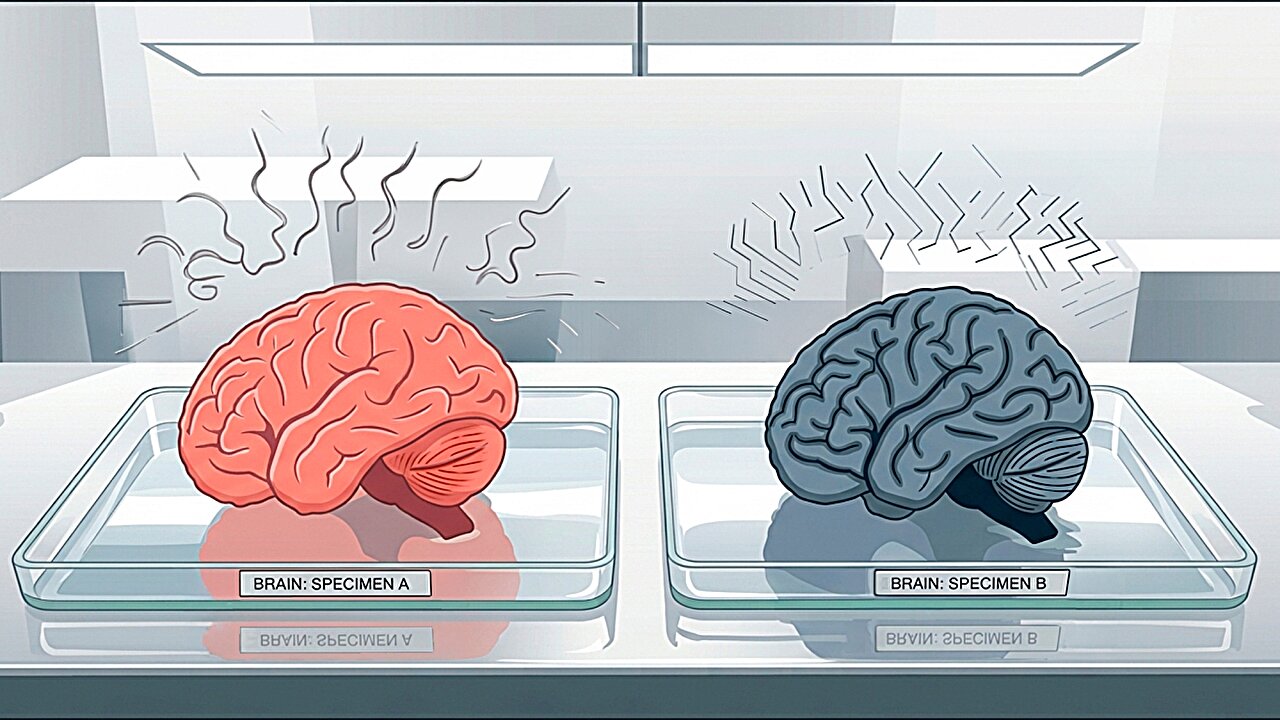
In a recent Science Advances publication, researchers Sarah Stabenfeldt and Christopher Plaisier outline their study suggesting that patterns of hormone changes and gene activity in the brain differed between males and females after traumatic brain injury.
Stabenfeldt, an assistant vice president and President's Professor of biomedical engineering, and Plaisier, an associate professor of biomedical engineering, both in the School of Biological and Health Systems Engineering, part of the Ira A. Fulton Schools of Engineering at Arizona State University, say mapping out the affected biological pathways in the brain will advance understanding of how sex-based factors like hormones contribute to the body's unique injury response.
"Better understanding the drivers of injury with studies such as ours will enable the development of therapeutics and interventions," Stabenfeldt says.
Source link