This article has been reviewed according to Science X's editorial process and policies. Editors have highlighted the following attributes while ensuring the content's credibility:
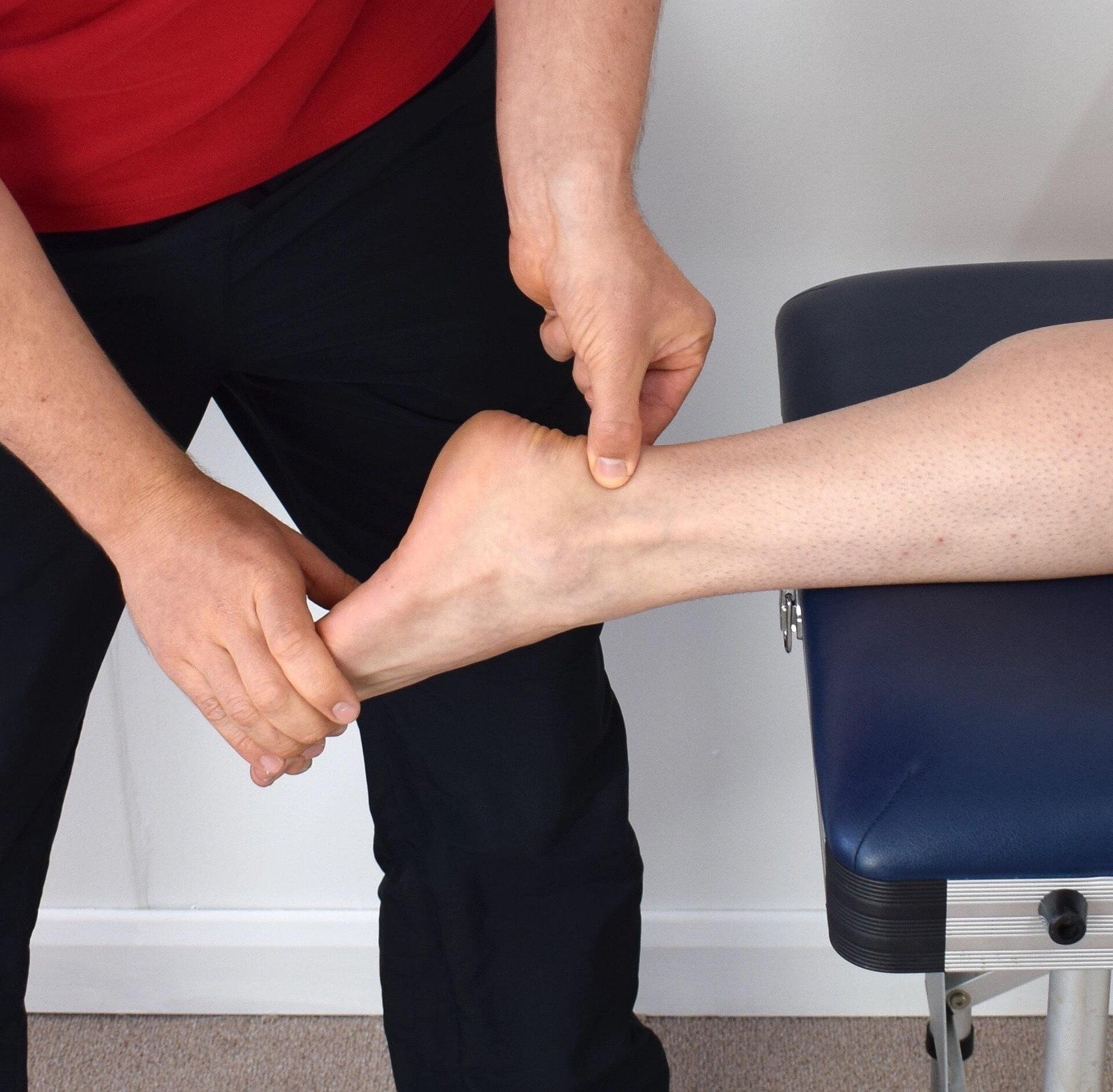
Commonly used injections for Achilles tendinopathy—pain, stiffness and swelling in the Achilles tendon—offer no meaningful clinical advantage over placebo (sham) treatment, finds a clinical trial published by The BMJ.
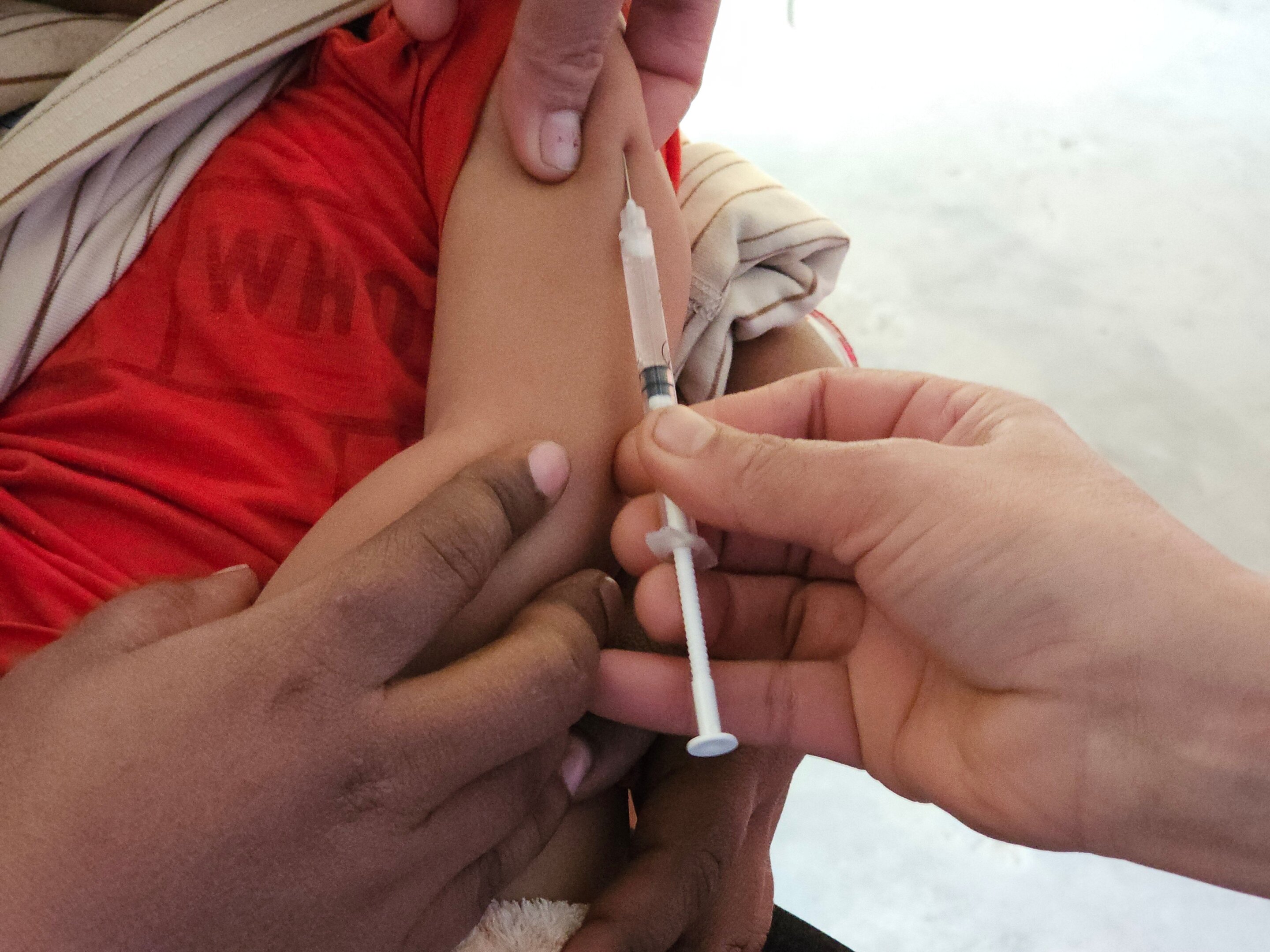
The results show that high-volume injections—delivering saline, local anesthetic and sometimes a low dose of corticosteroid around the Achilles tendon—did not improve pain and disability compared with sham injection at 12 months, and therefore do not support routine use.
Achilles tendinopathy is a leading cause of persistent lower-limb pain that affects around 6% of people during their lives and disrupts everyday activities such as walking. While exercise-based therapy is recommended, up to 44% of patients do not recover and many seek alternative options, including injection therapy.
Some data suggest that corticosteroid-containing injections may provide short-term symptom improvement, but the longer-term clinical effects and cost-effectiveness of high-volume injections with or without corticosteroid remain uncertain.
To address this, researchers enrolled 192 adults (mean age 49; 55% male) with midportion Achilles tendinopathy from a radiology clinic in Melbourne, Australia, between December 2019 and July 2022. Participants were randomly assigned to three groups: sham injection (64), high-volume injection without corticosteroid (63) or high-volume injection with corticosteroid (65).
All groups received the same exercise program, education and activity modification advice.
The main outcome of interest was self-reported pain and disability at 52 weeks based on the Victoria Institute of Sport Assessment-Achilles (VISA_A) scale (0–100, where 100 is no pain or disability).
Source link