This article has been reviewed according to Science X's editorial process and policies. Editors have highlighted the following attributes while ensuring the content's credibility:
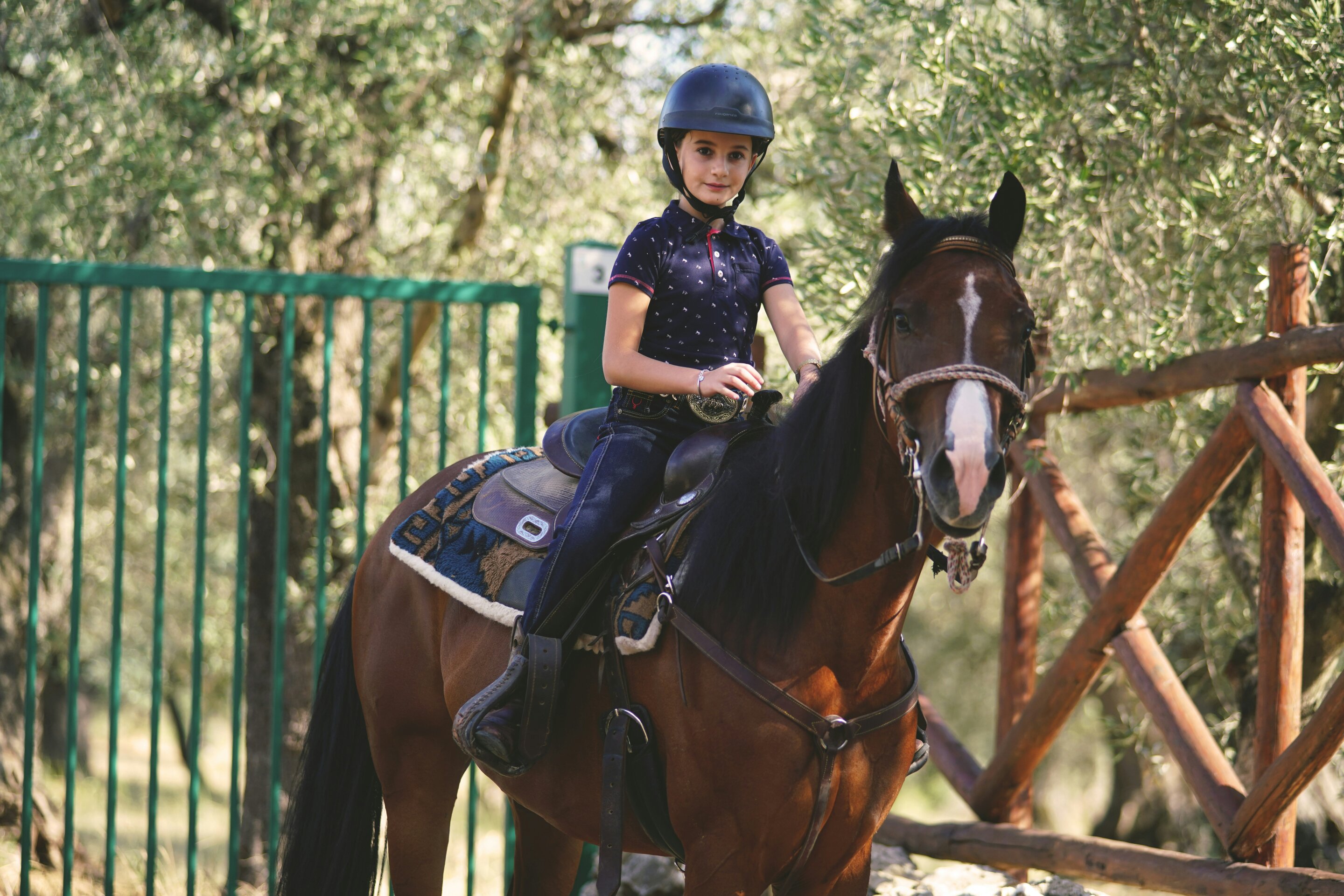
Occupational therapy that incorporates horses helps reduce the body's stress response in autistic children, according to new research from Colorado State University.
"That power of the horse-human interaction for autistic children has often been referred to as 'magic,' but this study provides empirical data to support and explain how interacting with horses impacts autistic children physiologically," said Caiti Peters, an assistant professor in CSU's departments of Occupational Therapy and Animal Sciences. She leads research at the Temple Grandin Equine Center in Denver and Fort Collins and is a co-author on this study.
Previous studies have found that equine therapy has beneficial effects on behavioral skills and social communication in people with autism spectrum disorder.
The new CSU study builds on those findings by illustrating a measured physiological response to working with animals and shows a greater impact when horses are involved compared to traditional clinical therapy settings.
The research, published in the Journal of Autism and Developmental Disorders, examined how children's bodies responded to 10 weeks of occupational therapy involving horses and compared that data with outcomes from traditional, clinic-based therapy.
Researchers at CSU's Temple Grandin Equine Center on the CSU Spur campus in Denver enrolled 72 children ages 6 to 11 and measured two biological markers in their saliva: cortisol, a hormone involved in the body's stress response, and alpha-amylase, an enzyme linked to nervous system activity.
Source link