This article has been reviewed according to Science X's editorial process and policies. Editors have highlighted the following attributes while ensuring the content's credibility:
Researchers at Arizona State University, U.S., have found that a high-fat diet leaves lasting changes in intestinal stem cells, potentially increasing the risk of tumor development.
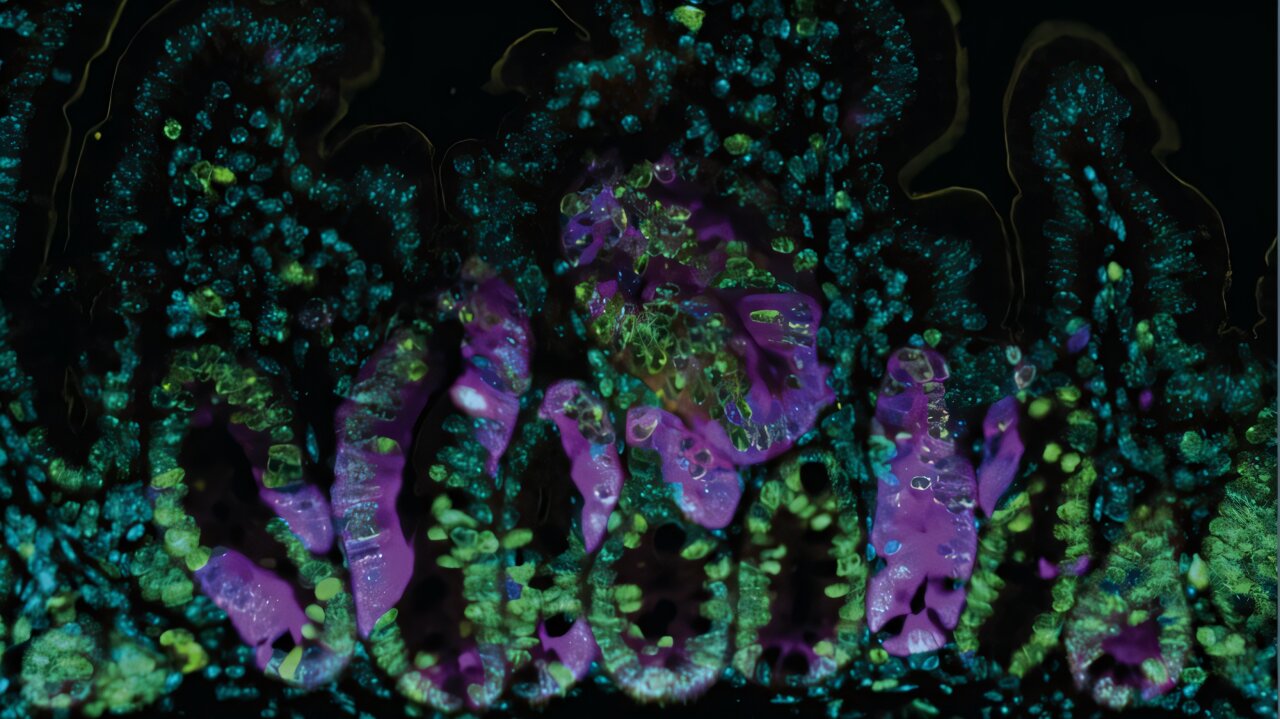
About one in 25 people develop colon cancer during their lifetime, and obesity increases the risk by 30%–50%. Colon cancer can arise when intestinal stem cells, which normally produce new cells to maintain a healthy intestine, begin to grow uncontrollably. A new study published in Stem Cell Reports reveals how a high-fat diet can alter these stem cells and promote tumor development.
Led by Miyeko Mana, the researchers fed mice a Western-style high-fat diet for approximately six months. Compared with mice on a low-fat diet, these mice gained more weight and developed more intestinal stem cells, which also grew faster. Mice genetically predisposed to intestinal cancer developed more and larger tumors when fed the high-fat diet.
The researchers also identified changes in the DNA of intestinal stem cells that may help explain their increased growth and survival. Although stem cell behavior returned to normal after mice switched to a low-fat diet, some DNA changes persisted. After four weeks, approximately 18% of these changes remained.
When mice returned to a high-fat diet, their intestinal stem cells responded more quickly and strongly than those of mice exposed to the diet for the first time. Mice genetically predisposed to intestinal cancer also developed more and larger tumors after repeated exposure to a high-fat diet than after a single period of exposure.
Source link