This article has been reviewed according to Science X's editorial process and policies. Editors have highlighted the following attributes while ensuring the content's credibility:
In what is thought to be the first study of its kind, researchers from Cardiff University and Imperial College London examined both gut bacteria and chemicals. Their findings could support earlier diagnosis and help spot people at risk of faster decline.
"This study leads us to conclude that the gut could offer a window into what's happening in the brain at the earliest stages of cognitive decline," said Paul Morgan, professor of complement biology in the Division of Infection and Immunity.
The researchers analyzed fecal samples from 35 older adults, most of whom were part of couples living together in which one partner had mild cognitive impairment and the other did not, and used machine learning to see whether the samples could help diagnose the condition and predict how quickly it progresses.
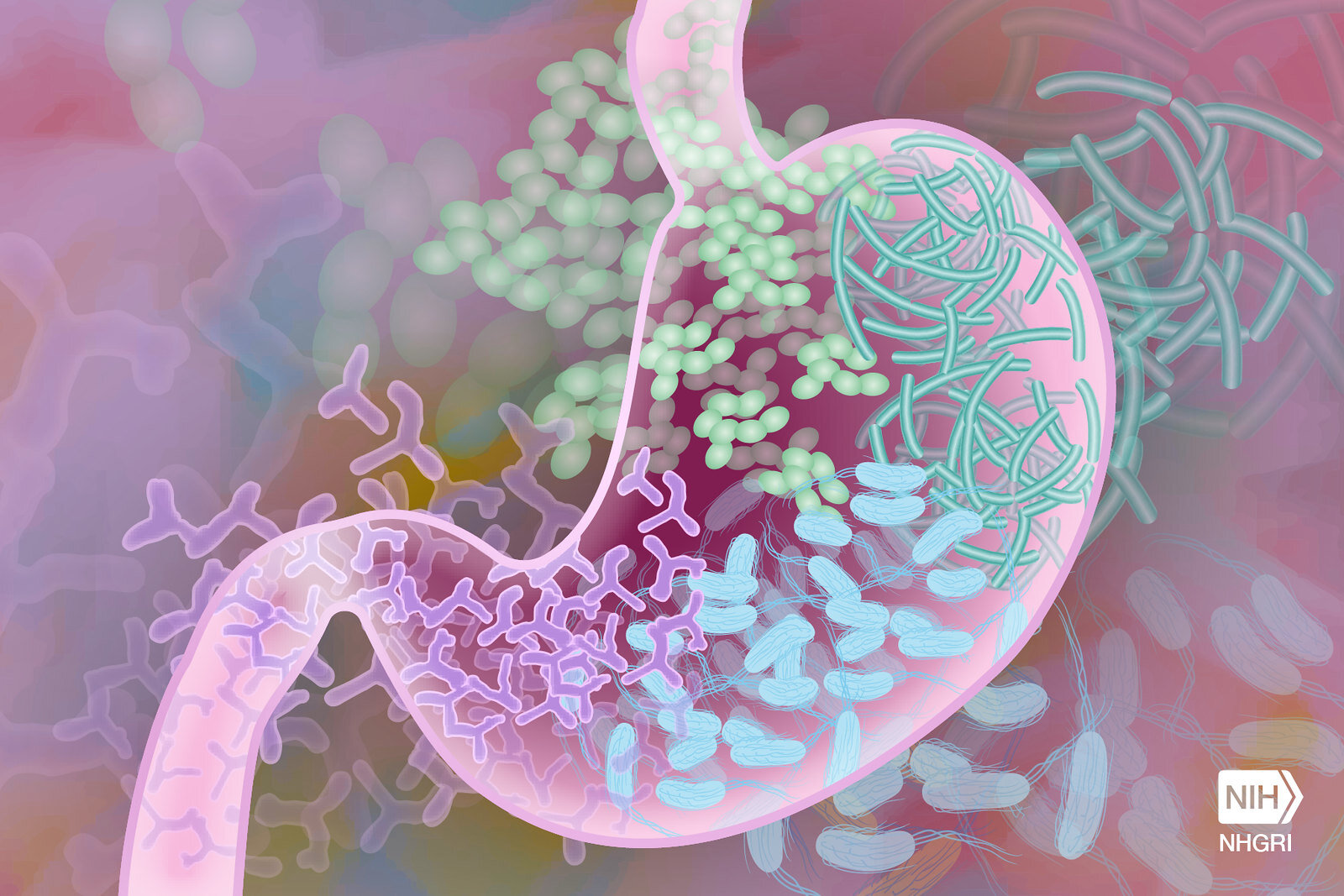
The study found that people with mild cognitive impairment had a different mix of gut bacteria compared with people without cognitive impairment. In particular, people with mild cognitive impairment displayed significantly elevated levels of the bacteria Izemoplasmatales spp. and the gut chemical proline. They also showed decreased levels of Ruminococcus spp. and Lachnospira spp. bacteria and lower levels of the chemical fumaric acid.
These bacteria belong to a larger group that has been linked to brain health in previous studies.
The team also tested for these bacterial markers in an independent group of people from a previous study and found that the markers could still distinguish people with mild cognitive impairment from healthy individuals.
Source link