This article has been reviewed according to Science X's editorial process and policies. Editors have highlighted the following attributes while ensuring the content's credibility:
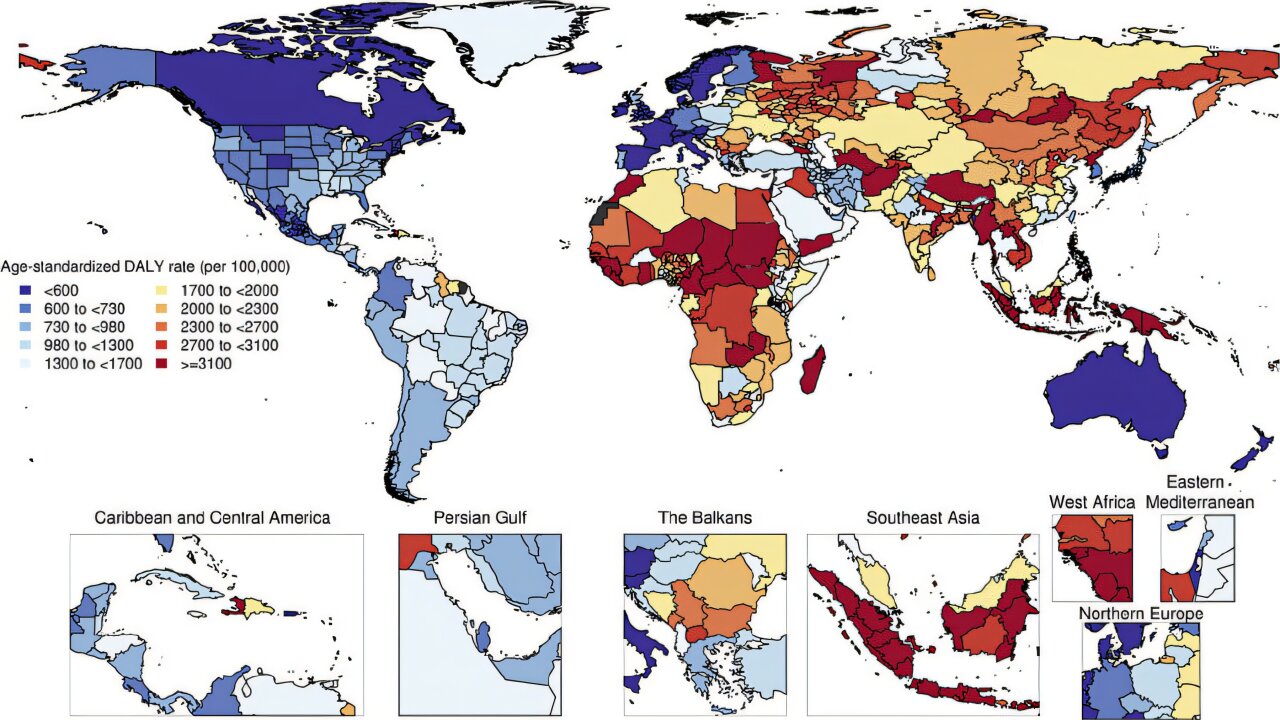
A new Global Burden of Disease (GBD) study in Neuroepidemiology looks closely at a striking contradiction in global stroke prevention: even as age-standardized stroke rates have fallen substantially over the past three decades, the number of people suffering and dying from stroke continues to rise.
Researchers led by professor Valery L. Feigin of Auckland University of Technology estimate that in 2023, 13.2 million people experienced a new stroke, 6.8 million died and almost 105 million were living with the effects of a previous stroke. Stroke remained the world's second-leading cause of death and third-leading cause of death and disability combined.
Between 1990 and 2023, age-standardized stroke mortality fell by 52%, disability-adjusted life year (DALY—a measure combining years of life lost to early death and years lived with disability) rates by 48% and incidence by 25%. Yet over the same period, the absolute number of new strokes rose by 73%, deaths by 22% and DALYs by 18%.
Population growth and aging explain part of the increase, but not all of it, said Feigin. "Stroke used to be called a disease of the elderly. That's no longer correct: 52% of strokes now happen in people of working age, under 70."
9 million strokes now occur annually in people ages 15–49, a rise Feigin and his colleagues attribute to earlier, heavier exposure to metabolic risk factors, particularly poorly controlled blood pressure and childhood obesity trends now surfacing as adult hypertension and diabetes.
Source link