This article has been reviewed according to Science X's editorial process and policies. Editors have highlighted the following attributes while ensuring the content's credibility:
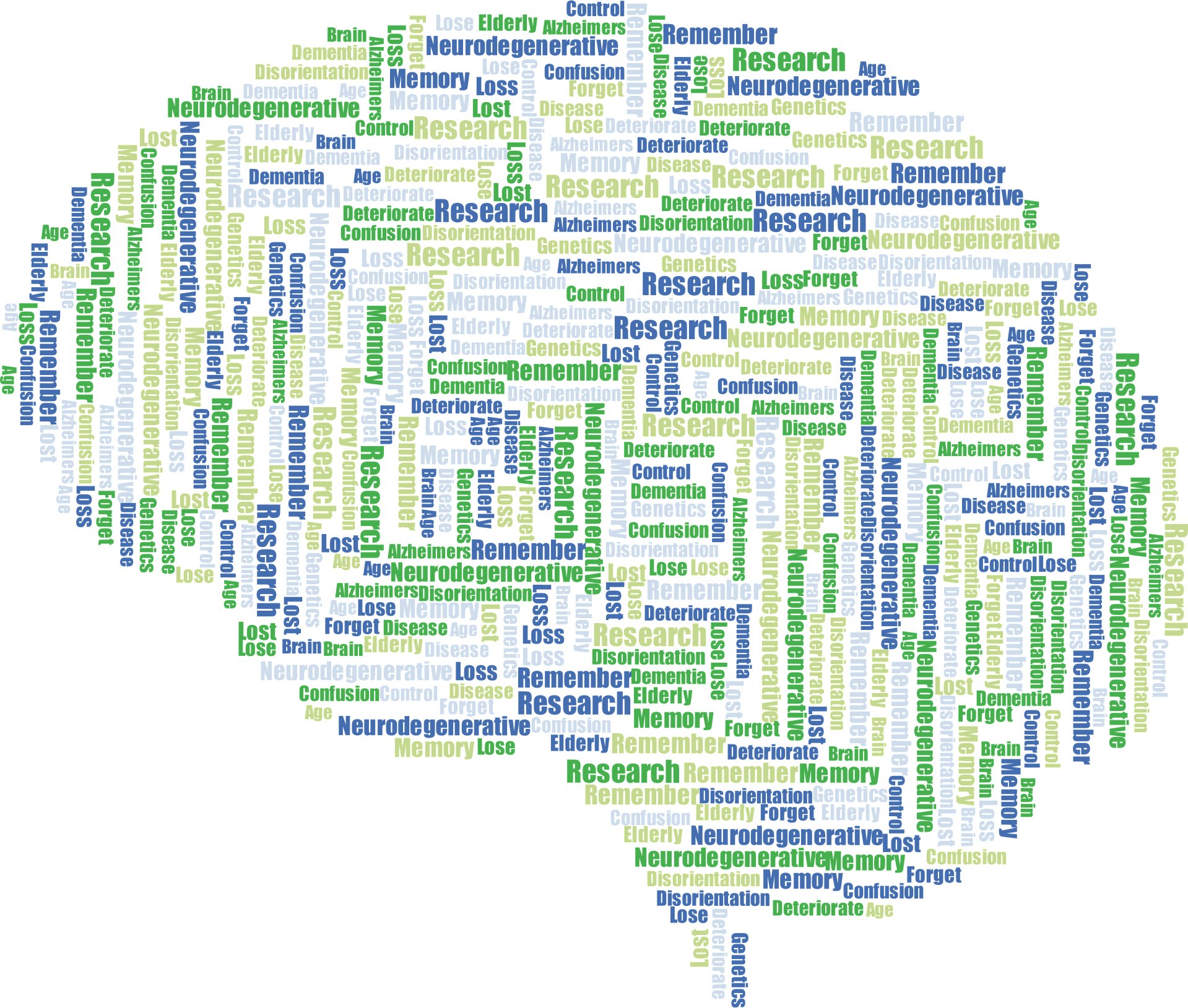
International research has produced some of the most comprehensive and comparable estimates of new dementia cases worldwide, revealing that an estimated 11.4 million people developed dementia in 2023—a figure projected to rise to 24.7 million a year by 2050. The study, published in JAMA Neurology, analyzed data from 38,418 people across 22 population-based studies spanning 18 countries and territories on six continents.
Led by researchers from UNSW Sydney's Center for Healthy Brain Aging (CHeBA) through the Cohort Studies of Memory in an International Consortium (COSMIC), the research provides a new global benchmark for understanding how frequently new cases of dementia are occurring across different populations.
The study found dementia incidence was higher among women than men and substantially higher in low- and middle-income countries (LMICs) than in high-income countries.
Across more than 287,000 person-years of follow-up, 3,001 participants developed dementia. The global age- and sex-standardized incidence rate was 9.7 new cases per 1,000 person-years. After accounting for age, incidence was higher among women, at 10.6 cases per 1,000 person-years, compared with 8.6 among men.
The difference between countries by income level was even greater. Standardized incidence was 13.6 cases per 1,000 person-years in LMICs, compared with 8.3 in high-income countries.
Dementia currently affects more than 57 million people worldwide, with previous research projecting prevalence to reach approximately 150 million by 2050. Yet much of what is known about dementia has historically come from high-income countries, despite some of the greatest future increases being expected in lower-resource settings.
Source link