This article has been reviewed according to Science X's editorial process and policies. Editors have highlighted the following attributes while ensuring the content's credibility:
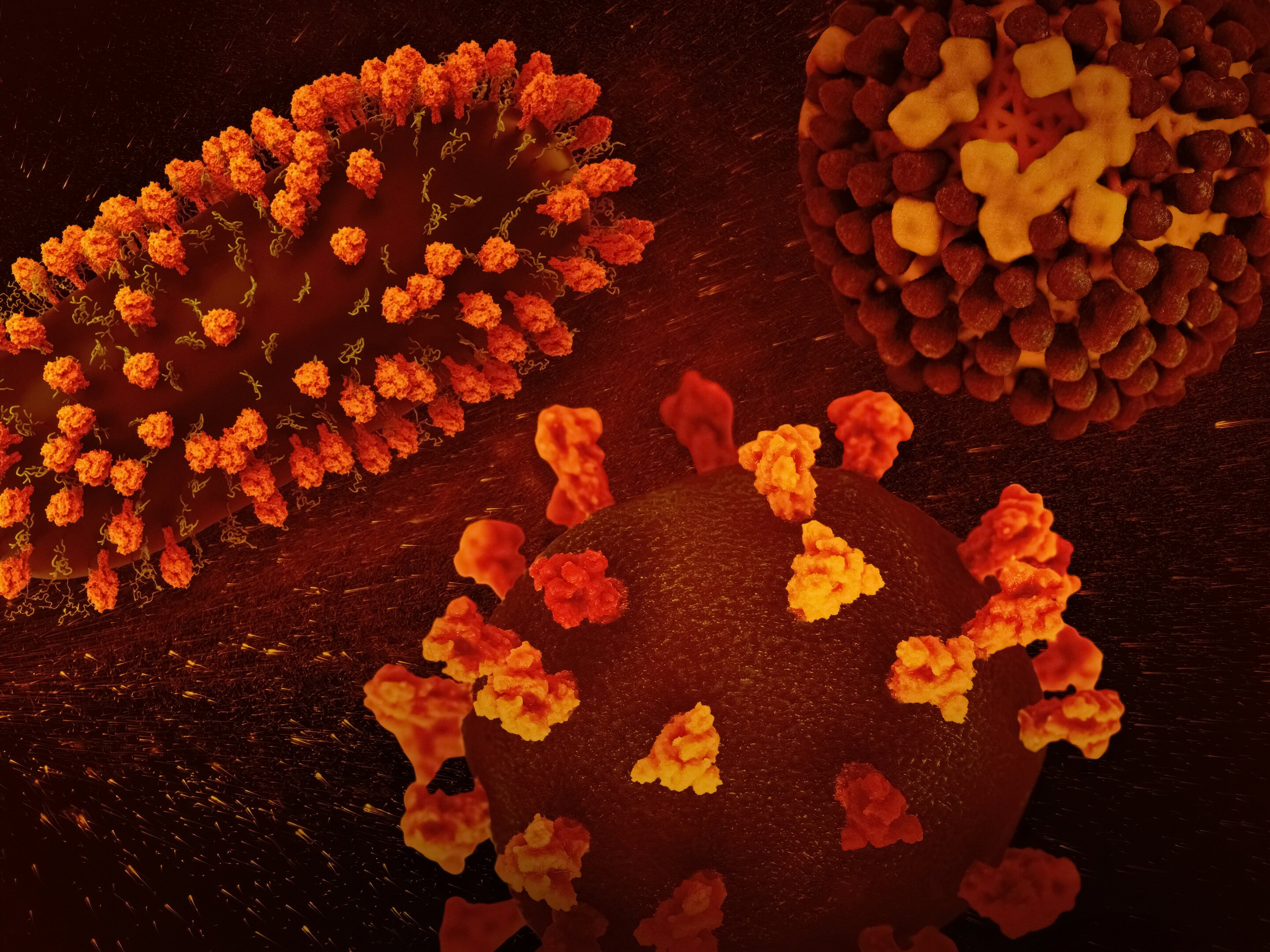
French health authorities said Thursday that the Shamonda virus, which usually affects livestock, had been detected in a human for the first time, in a severely immunocompromised patient who died earlier this month.
There was "no health risk to the general public identified at this time," the health and agriculture ministries said in a joint statement.
It added that the human infection appeared to be "an exceptional case involving a severely immunocompromised patient" hospitalized for a serious medical condition.
"Despite circulating in Africa and Asia for several decades, the Shamonda virus has never previously been detected in humans," the ministries said.
The virus, which belongs to the Orthobunyavirus group and is typically transmitted to animals by small biting insects, was first detected in Europe this summer, they said.
At this stage in the investigation, the patient was believed to have contracted the virus through the bite of a midge in eastern France, where the virus was circulating in animals during the spring and summer, the ministries said.
"The neurological complications observed in the immunocompromised patient prior to his death are very likely linked to infection with the Shamonda virus," they added, citing preliminary findings.
The virus was first detected in Nigeria in the mid-1960s and has since been reported in cattle in several parts of Africa and in Japan.
The virus was detected in Europe for the first time at the end of July, including on cattle farms in France.
Source link