This article has been reviewed according to Science X's editorial process and policies. Editors have highlighted the following attributes while ensuring the content's credibility:
Tumors are not uniform, as even cancer cells within one patient can display extremely divergent characteristics and behaviors. This diversity, known as tumor heterogeneity, reduces therapeutic efficacy because cells in different states may respond differently to therapeutic interventions.
It is known that neither genetic mutations nor classic microscopy-based tumor grading done by trained pathologists fully reflects tumor aggressiveness or predicts disease outcome. Thus, there is a strong unmet clinical need to discover interpretable strategies to predict tumor aggression and therapy response. At the same time, such studies might reveal new mechanisms of malignancy.
The Max Planck Research Group on Biophysical Regulation of Cell State Dynamics at the Max Planck Institute for Molecular Biomedicine, led by Dr. Yekaterina (Kate) Miroshnikova, has identified a key molecular pathway that drives cancer cells to adopt multiple distinct states, which ultimately fuels therapy resistance. In short, they discovered a targetable mechanism that makes tumors more diverse and aggressive. The study was published in Nature.
The interdisciplinary team of researchers included computational biologists, clinical oncologists, engineers and cancer biologists, including some from Sara Wickström's lab at the Max Planck Institute for Molecular Biomedicine and the University of Helsinki, as well as colleagues from Roche and the National Institute of Diabetes and Digestive and Kidney Diseases (NIDDK) at the National Institutes of Health.
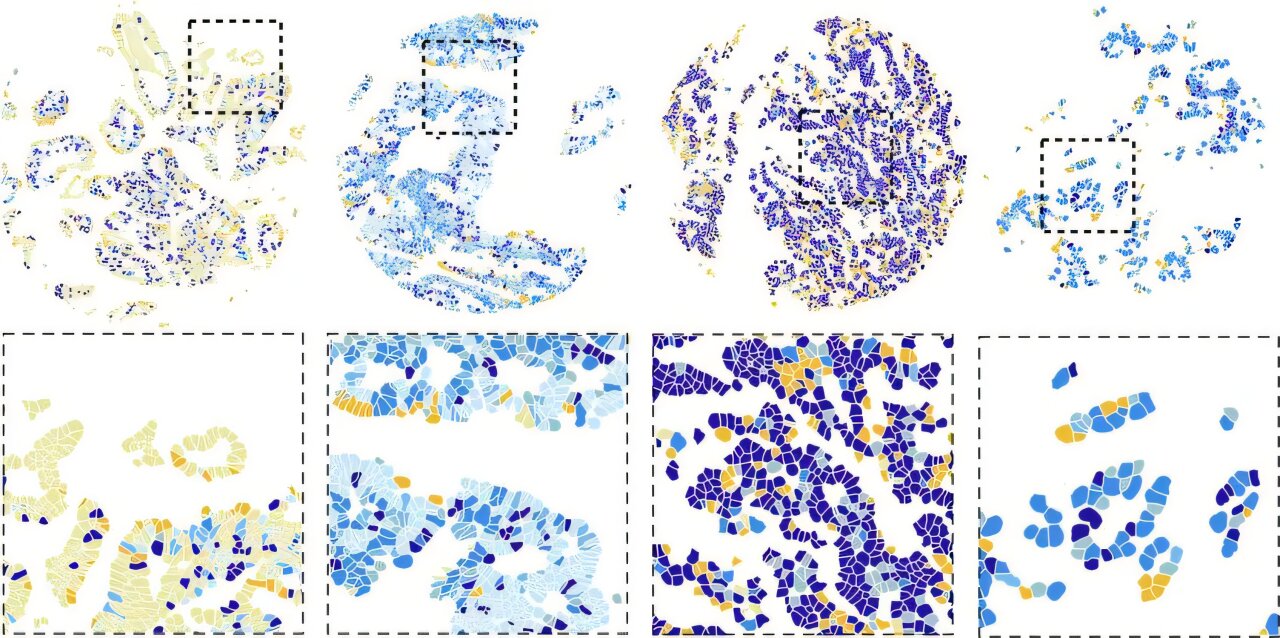
"In biology, form is closely related to function—we show that this is also true for cancer.
Source link