This article has been reviewed according to Science X's editorial process and policies. Editors have highlighted the following attributes while ensuring the content's credibility:
Cancer cells are hungry beasts. To fuel growth and division, tumors rewire a cell's metabolism, diverting nutrients into the energy and raw materials they need to survive. But not all cancers have the same metabolic needs, and a new study reveals how different cancer-causing mutations can shape metabolism even within the same organ.
The findings, published in Science, identify distinct metabolic vulnerabilities in liver tumors that could open new avenues for treatment.
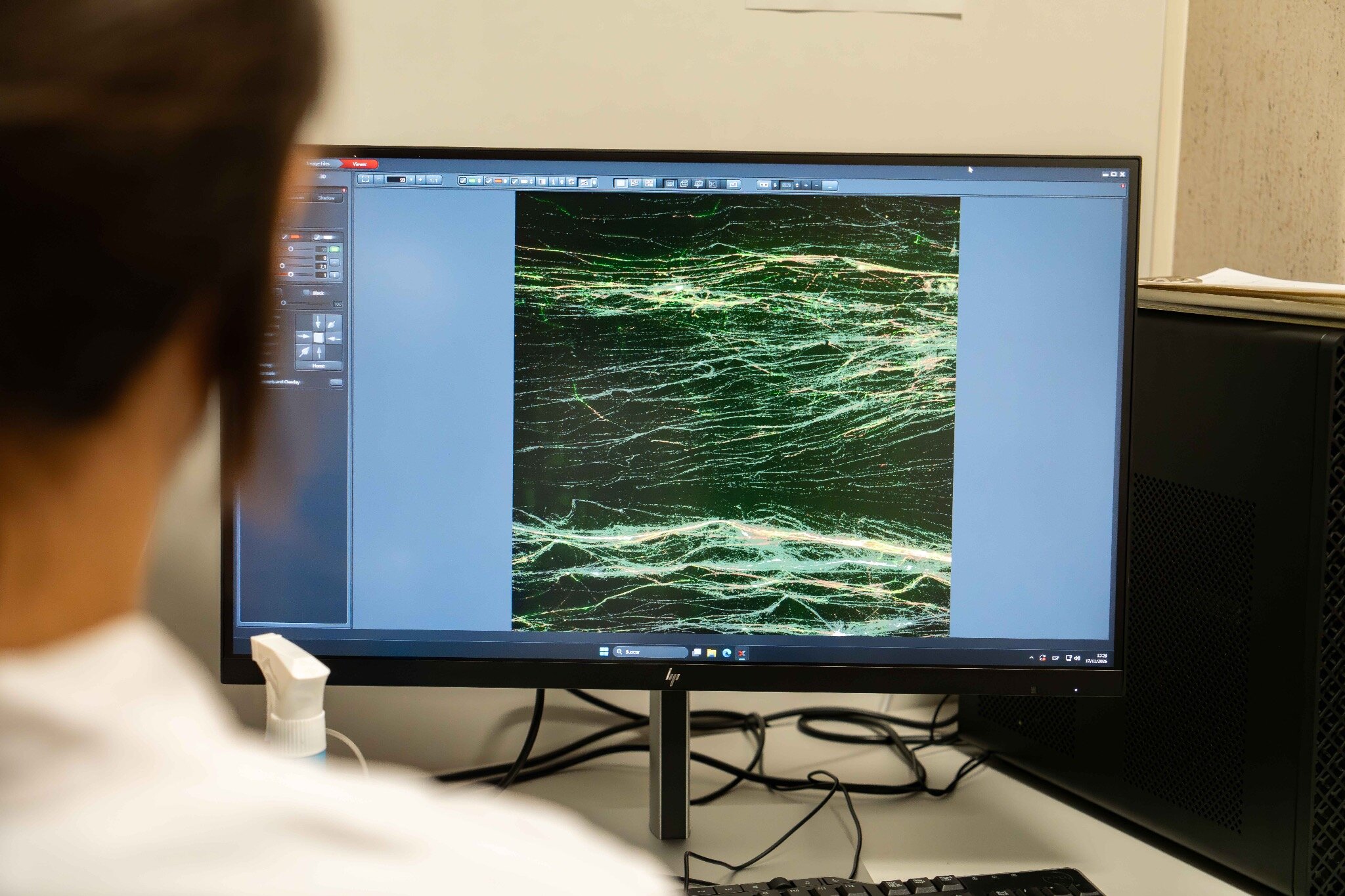
Uncovering these metabolic vulnerabilities requires a new approach to studying the inner workings of tumors. "Technology is what made this study possible," says Gökhan Ünlü of Kıvanç Birsoy's Laboratory of Metabolic Regulation and Genetics at Rockefeller. "To get around a long-standing bottleneck in the field, we had to develop a platform that allows us to look directly inside cancer cell organelles in a living organism."
Early findings already suggest possible paths to more personalized medicine and strategies for improving existing therapeutics, such as immunotherapy.
Scientists have long known that cancer cells rewire their metabolism to survive and that these changes largely depend on where a cancer develops. Two tumors driven by the same genetic mutation, one in the lung and one in the pancreas, can have very different metabolic needs. But even within the same organ, different cancer-causing mutations can shape how tumors obtain and use energy. For instance, in the liver, several genetically distinct and particularly difficult-to-treat cancers can take hold.
Source link