This article has been reviewed according to Science X's editorial process and policies. Editors have highlighted the following attributes while ensuring the content's credibility:
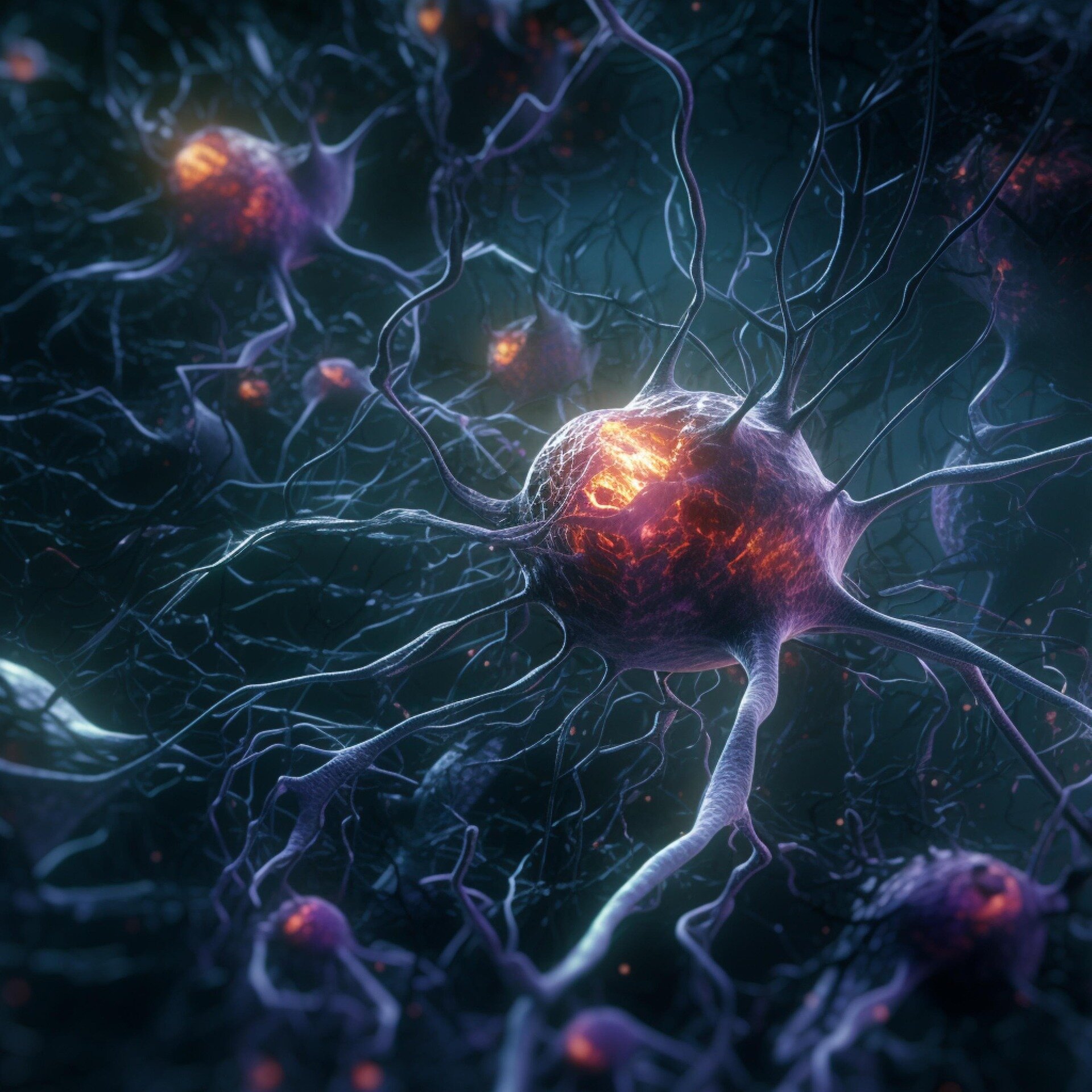
Experiences and changes in the environment cause widespread alterations in connections between brain cells, influencing brain activity, research suggests. Using a novel technology to map and study billions of individual brain cell connections, scientists have found that mice exposed to an enriched environment showed changes in different populations of synapses—the connections through which nerve cells communicate—across many brain regions.
Distinct synapse types responded differently to environmental influences, with some increasing or decreasing in number, while others remained unchanged. Understanding these patterns could help to pinpoint why some events can support the brain to adapt, while others may contribute to impaired function, experts say.
Synapse changes have previously been linked to sleep deprivation, brain injury and genetic variants associated with autism, schizophrenia and other disorders.
Alterations to the brain's diverse synapse populations could be a common mechanism through which it adapts to both inherited and environmental influences, the research team suggests.
Understanding how experiences influence brain activity could point to potential interventions to modify synapse populations that may have been disrupted by environmental and genetic factors or injury, they add.
Scientists have long known that experience changes the brain. Learning and sensory input can alter the strength of communication between nerve cells, and synapses can form, disappear or change their structure.
Previous studies have concentrated on relatively small numbers of synapses in localized areas, providing a limited view of how experience changes synapse populations across the brain.
Source link