This article has been reviewed according to Science X's editorial process and policies. Editors have highlighted the following attributes while ensuring the content's credibility:
Over two decades of research into the cellular mechanisms underlying Lowe syndrome have led to the identification of a potential therapeutic strategy for this rare genetic disorder, which affects the eyes, nervous system and kidneys. The findings are described in a study published in Signal Transduction and Targeted Therapy, by the research group led by Antonella De Matteis, coordinator of the Cell Biology Program at the Telethon Institute of Genetics and Medicine (TIGEM) in Pozzuoli and full professor of cell biology at the University of Naples Federico II in the Department of Molecular Medicine and Medical Biotechnology.
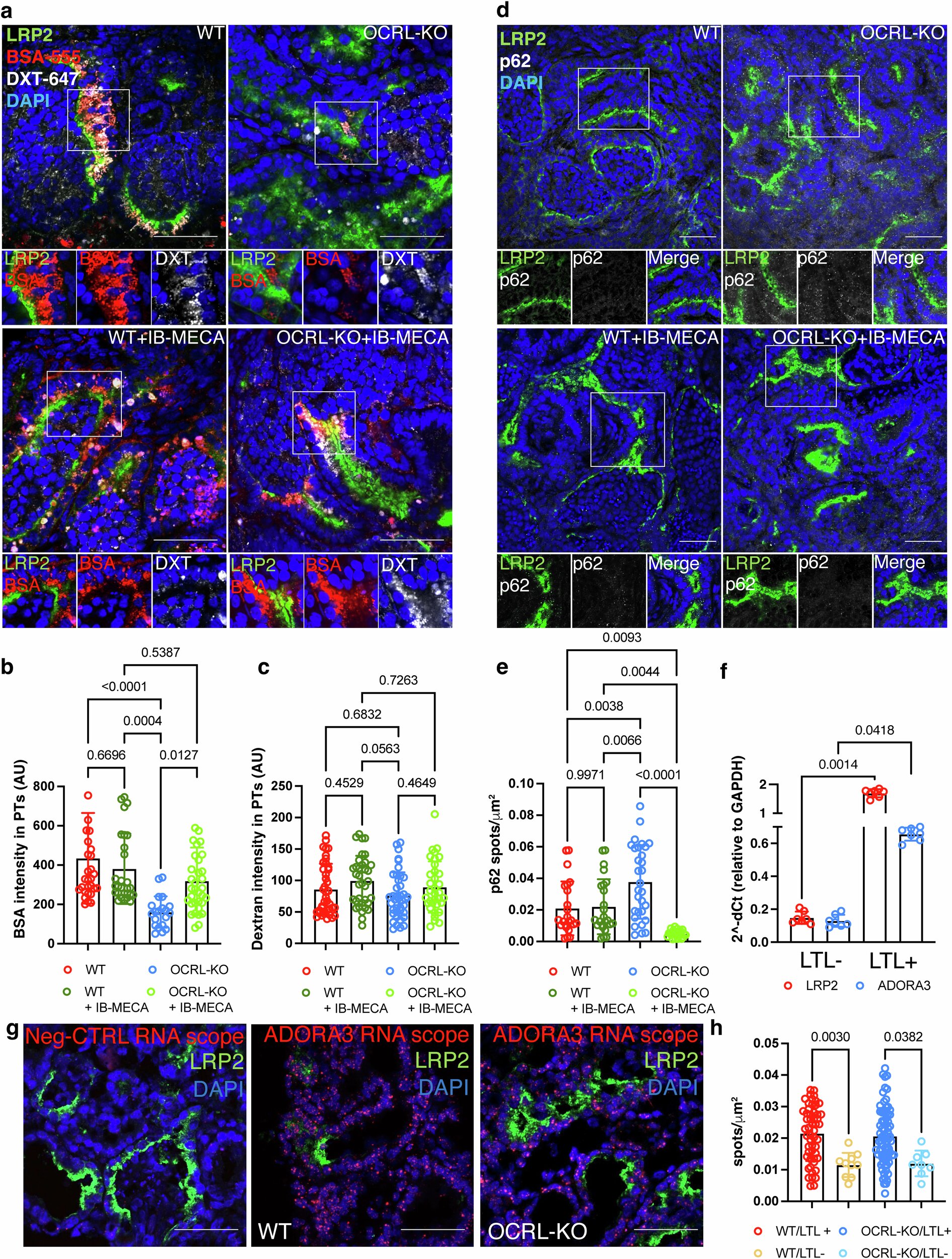
The authors described a novel biological mechanism that corrects the main cellular defect responsible for kidney disease in Lowe syndrome and demonstrated the efficacy of piclidenoson (IB-MECA) in restoring kidney cell function across multiple experimental models.
The findings stem from the integration of cell biology, drug screening, kidney organoids and animal models, which enabled the identification and validation of a candidate drug that is now approaching clinical evaluation in humans.
Lowe syndrome is caused by mutations in the OCRL gene, which encodes an enzyme involved in the metabolism of phosphoinositides, a family of lipids that regulates membrane identity and the proper trafficking of molecules within the cell.
For more than two decades, De Matteis has been investigating the role of this gene and the consequences of its loss of function.
Source link