This article has been reviewed according to Science X's editorial process and policies. Editors have highlighted the following attributes while ensuring the content's credibility:
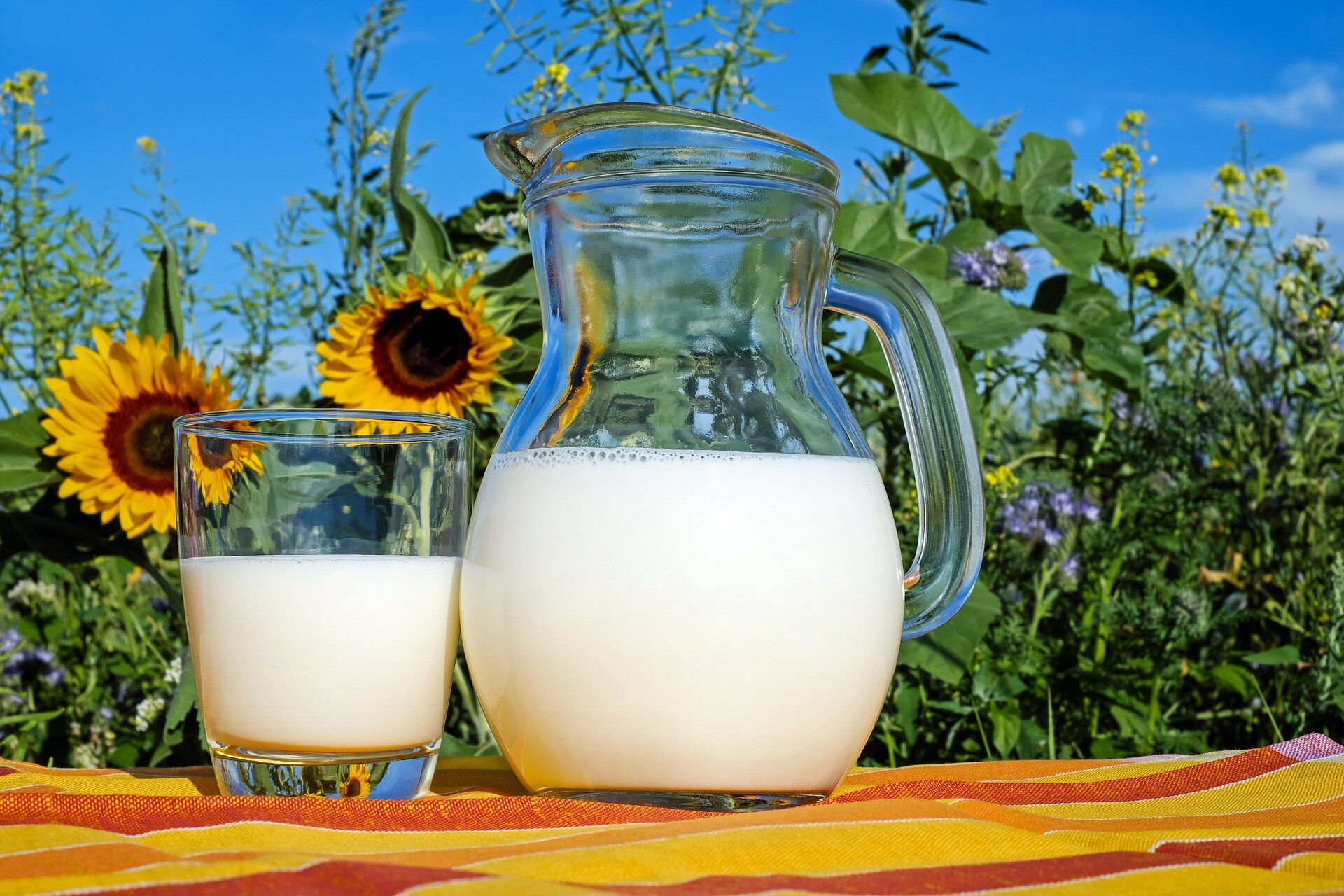
The popularity of raw milk in Google searches and Instagram post topics has soared over the past 10 years, spurred on by influencers claiming there are benefits to consuming raw milk.
Raw milk has not undergone the process of pasteurization. Raw or unpasteurized milk comes straight from the milking animal—such as a cow, sheep, goat, buffalo, horse or camel—and into the bottle.
In Australia, it's illegal to sell raw milk for human consumption due to the safety risks.
Let's unpack the evidence behind the health claims about raw milk and why it's deemed a safety risk.
Milk pasteurization has been used for more than 100 years. It involves heating raw milk to 72°C (162 degrees Fahrenheit) for at least 15 seconds to kill any harmful bacteria.
Raw milk can harbor various bacteria that cause disease, such as listeria and salmonella, which can cause serious illness and even death in otherwise healthy people.
Pregnant women, young children, older adults and people with compromised immune systems are especially vulnerable to the types of bacteria found in raw milk and should avoid all unpasteurized milk and dairy products.
Food Standards Australia requires that all milk products for human consumption must be pasteurized to eliminate the risk of disease-causing bacteria.
The case for raw cow's milk was reviewed in 2009 and the risks were considered too high to consider removing the requirement for pasteurization.
Source link