This article has been reviewed according to Science X's editorial process and policies. Editors have highlighted the following attributes while ensuring the content's credibility:
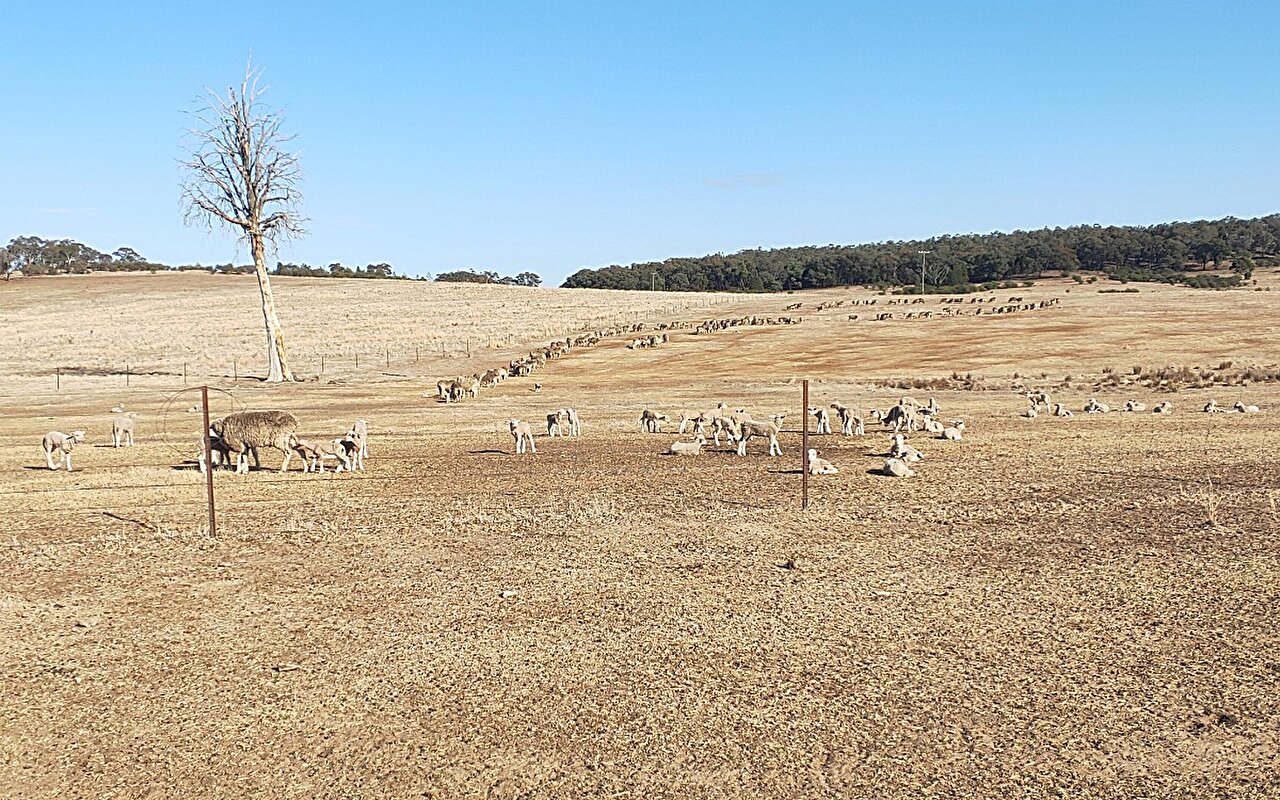
I was 12 when the worst heat waves hit our home in rural New South Wales, Australia. It was summer vacation, a few weeks after we'd celebrated Christmas. I sat at the kitchen table, next to the sheets draped as curtains over the front windows of our tin-roofed house, passing the long, hot hours with a 1,000-piece puzzle.
Frustrated and uncomfortable, I stopped every 20 minutes to run cold water through my thick, dark hair, which held the unbearable heat close to my scalp. The air conditioner ran at full blast, night and day, but to no avail as 47°C (117°F) winds blew dust hundreds of kilometers across the countryside.
Kangaroos came to lie in the farm pond by the house, panting and submerging themselves. Small birds died, and the outside world of beautiful rolling hills and eucalyptus, normally teeming with life, turned into a desert wasteland of cracked, desiccated soil and silence. Heat—global warming's insidious assassin—was knocking at our door.
Extreme heat is a severely underappreciated health risk. It creeps in by day and clings too close to our homes and cities at night, leaving us stifled and putting our most vulnerable people—children, pregnant women, outdoor workers, older people and those with underlying conditions—at risk of health complications, heatstroke and even death.
In fact, extreme heat is the deadliest of all natural disasters, accounting for around 500,000 deaths worldwide each year—a number close to that of malaria and likely underestimated because of underreporting and difficulties in correctly diagnosing heat-related illness.
Source link