This article has been reviewed according to Science X's editorial process and policies. Editors have highlighted the following attributes while ensuring the content's credibility:
Antibiotics excreted by patients promote antibiotic-resistant bacteria in hospital sewers, according to a new study by researchers at the University of Gothenburg, Sweden. Ultimately, this may contribute to the development and spread of hard-to-treat infections. Pinpointing the responsible antibiotics paves the way for targeted measures.
"To the best of my knowledge, this is the first direct field evidence in over 25 years conclusively linking observed environmental effects to pharmaceuticals excreted from humans," says Joakim Larsson, professor of environmental pharmacology at the University of Gothenburg in Sweden.
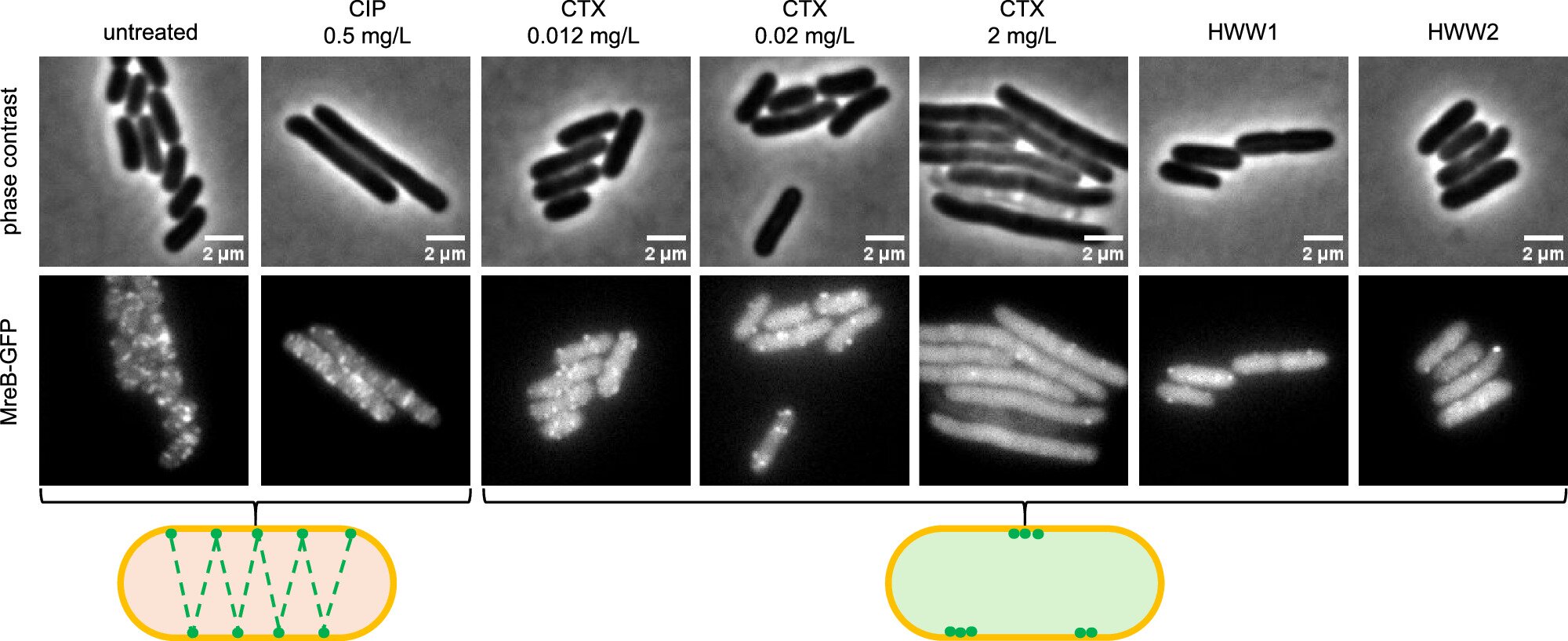
The study, published in Nature Communications, examined sewer systems and wastewater from hospitals and municipal treatment plants in eight Swedish cities. Sewage from all 10 hospitals promoted antibiotic-resistant bacteria, while no such effects were found after exposure to sewage from the corresponding municipal treatment plants.
International guidelines emphasize the need to limit selection for antibiotic resistance in the environment, as antibiotic pollution could ultimately render antibiotics ineffective. The observation of strong resistance selection in hospital sewer systems, but not in municipal ones, is significant for where measures should be prioritized.
While advanced treatment at municipal sites can reduce the further spread of antibiotics and other pharmaceuticals, it cannot prevent the resistance evolution that has already taken place in hospital sewage. The results therefore point to hospital sewage systems as a critical site for future targeted interventions.
"Knowing where resistant bacteria are promoted—and where they are less likely to be—is crucial when deciding how resources and efforts should be allocated to limit risks for antibiotic resistance development," says Larsson.
Source link