This article has been reviewed according to Science X's editorial process and policies. Editors have highlighted the following attributes while ensuring the content's credibility:
A rare genetic mutation may protect against developing Parkinson's disease and Lewy body dementia, a new study from researchers at Oregon Health & Science University suggests.
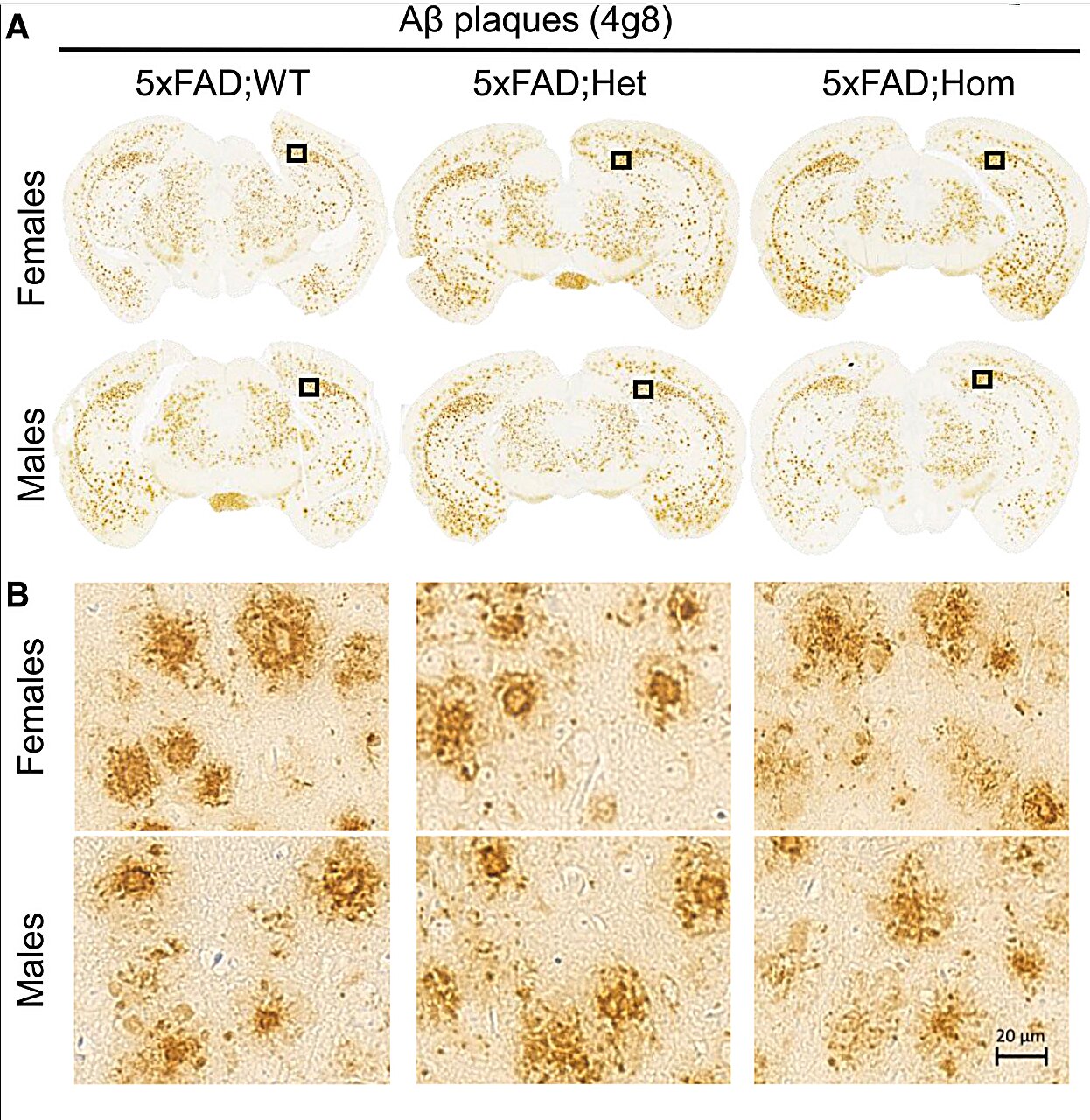
The study, published in the journal Cell Reports, for the first time suggests a link to Parkinson's involving the so-called Christchurch mutation of the APOE gene. The study raises the possibility of gene therapy approaches to forestall cognitive and motor impairments in Parkinson's and related conditions.
Previous research—starting with the 2019 case of a woman from Colombia who carried the rare mutation first discovered in New Zealand—found that the mutation seems to forestall symptoms of dementia in people who are otherwise genetically destined to develop Alzheimer's disease.
OHSU researchers working in a rodent model have now discovered a link to Parkinson's.
"It opens up this idea that this Christchurch mutation could be helpful for a lot of things we didn't realize before," said senior author Vivek Unni, M.D., Ph.D., associate professor of neurology in the OHSU School of Medicine.
Other studies in animal models have shown the Christchurch mutation prevents the aggregation of the Alzheimer's-related tau protein in the brain.
The OHSU study published confirms the same process in tau, while also going a step further and showing that the Christchurch mutation prevents the accumulation of a different type of protein, known as alpha-synuclein, that typifies the progression of Parkinson's and Lewy body dementia.
Source link