This article has been reviewed according to Science X's editorial process and policies. Editors have highlighted the following attributes while ensuring the content's credibility:
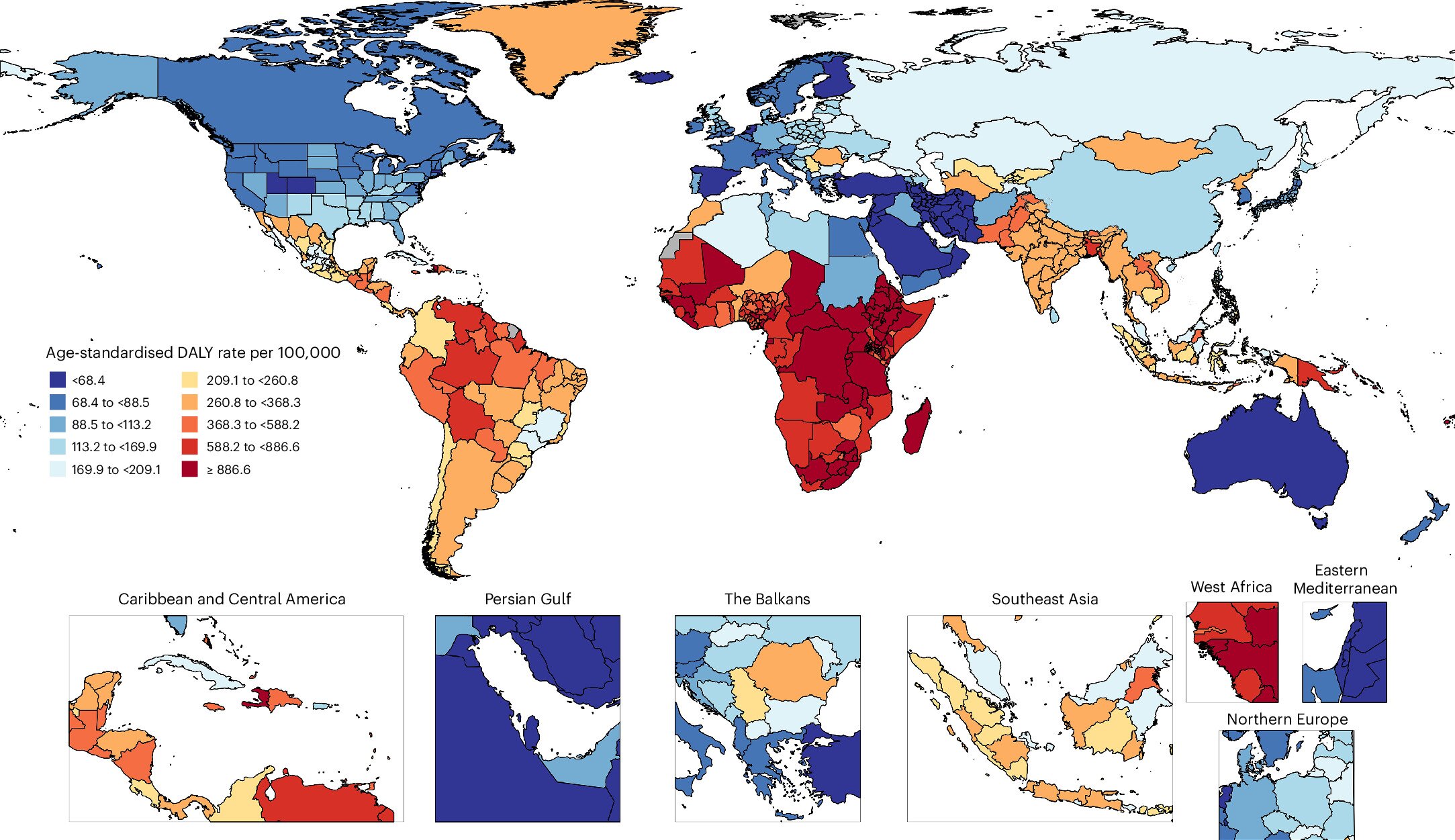
Global cervical cancer cases and deaths could rise by 20.2% and 39.3%, respectively, by 2050, according to a modeling study published in Nature Medicine. The findings suggest that the burden of cervical cancer will remain unevenly distributed, with the highest incidence and mortality rates in sub-Saharan Africa.
Cervical cancer is largely preventable, with elimination strategies relying on human papillomavirus (HPV) vaccination, screening and treatment of cervical disease. However, access to these measures varies widely around the world. In 2023, the age-standardized rate of cervical cancer incidence was more than four times higher and mortality was more than seven times higher in low-income countries than in high-income countries.
Natalie Pritchett, Lisa Force and colleagues analyzed cervical cancer incidence, deaths and health loss across 204 countries and territories from 1990 to 2023, using estimates from the Global Burden of Diseases, Injuries, and Risk Factors Study. They also modeled trends to 2050. The researchers estimated that there were 887,000 new cases and 369,000 deaths worldwide in 2023.
By 2050, annual cases are forecast to rise by 20.2% from 2024 levels to 1.08 million, while deaths are forecast to increase by 39.3% to 522,000. The largest increases are expected in sub-Saharan Africa, where cases could rise by 88.7% and deaths could rise by 95.4%, to an estimated 206,000 deaths in 2050.
The authors report that none of the seven Global Burden of Disease super-regions is forecast to reach the World Health Organization cervical cancer elimination threshold of fewer than four cases per 100,000 people by 2050 if current trends continue.
Source link