This article has been reviewed according to Science X's editorial process and policies. Editors have highlighted the following attributes while ensuring the content's credibility:
In the event of a heart attack, the affected part of the heart muscle can no longer be supplied with oxygen and nutrients. As a result, the heart muscle cells (cardiomyocytes) die off. Scar tissue forms, and heart function is impaired. This often leads to chronic heart failure—also known in medical terms as cardiac insufficiency. It is one of the most common causes of death in the Western world.
Dr. Ulrich Martin, head of the Leibniz Research Laboratories for Biotechnology and Artificial Organs (LEBAO) at Hanover Medical School (MHH), and Dr. Robert Zweigerdt, a cell biologist at LEBAO, aim to repair the damaged areas of the heart using biotechnologically produced heart muscle cells. They are not relying on individual cells, but on small clusters of human cardiomyocytes, which are produced in large quantities and injected directly into the heart muscle.
They have now investigated this therapeutic concept in collaboration with and at the German Primate Centre in Göttingen, using a model of heart attack in Javanese macaques. The preclinical study showed that the treatment improved heart function after three months. The results have been published in the journal Nature Communications.
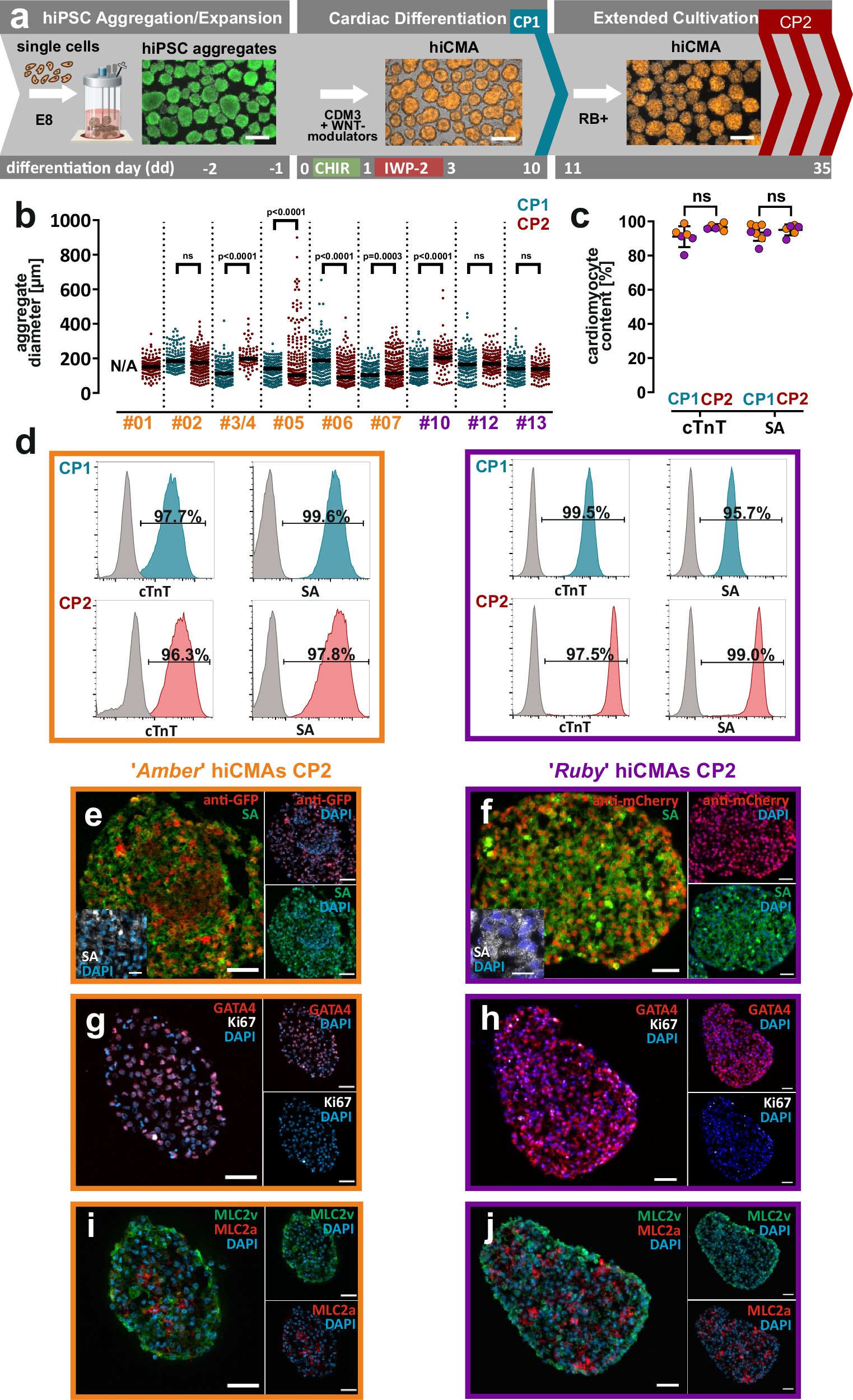
The researchers and their team used human induced pluripotent stem cells (hiPSCs). These can be produced in the laboratory from "reprogrammed" somatic cells, such as blood cells, and can then give rise to any cell type in the human body—including cardiac muscle cells.
Source link