This article has been reviewed according to Science X's editorial process and policies. Editors have highlighted the following attributes while ensuring the content's credibility:
New research led by the University of Colorado Anschutz is offering hope to people living with stiff person syndrome (SPS), showing that a CAR T-cell therapy may help change the course of the disease, with patients experiencing significant improvements in mobility and overall disability that lasted at least one year after treatment.
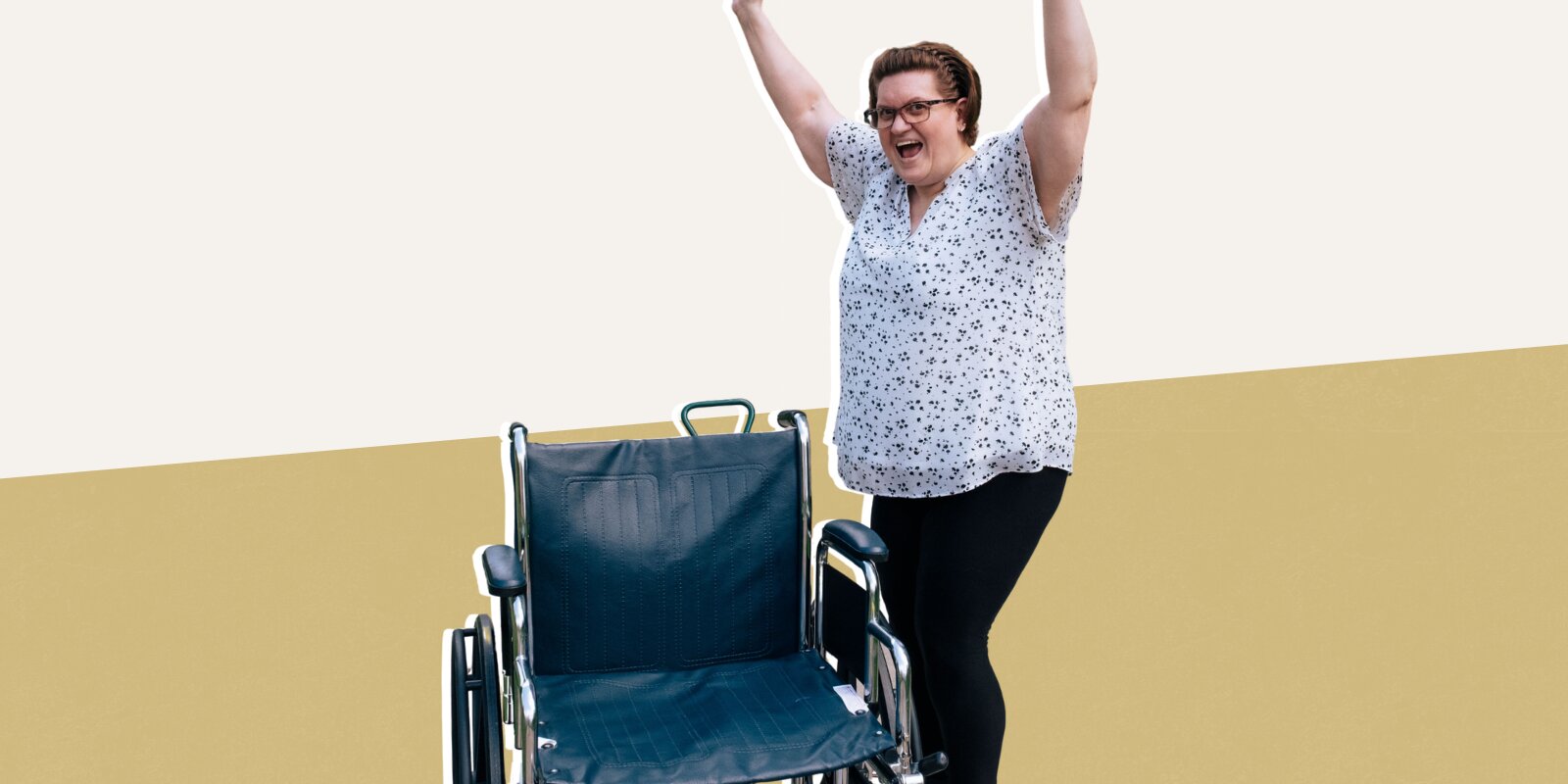
SPS is a rare, progressive autoimmune neurological disease that causes debilitating muscle stiffness, painful spasms and difficulty walking. An estimated 80% of patients eventually require walking assistance or a wheelchair, and many face a risk of permanent disability.
The Phase 2 clinical trial, sponsored by Kyverna Therapeutics and led by principal investigator Amanda Piquet, M.D., director of the autoimmune neurology program at the CU Anschutz School of Medicine, evaluated an experimental CAR T-cell therapy called mivocabtagene autoleucel (miv-cel). The one-year findings were presented today at MSToronto26, an international conference focused on advances in multiple sclerosis and related neurological conditions.
Piquet shared that one year after receiving a single treatment of the experimental therapy, patients with SPS demonstrated significant improvements in mobility, completing a 25-foot walking test in nearly half the time it took before treatment. Also, two-thirds of patients who initially needed walking aids were able to complete a walking test without assistance. Beyond walking improvements, patients also experienced lasting reductions in muscle stiffness, sensitivity to stimuli and overall disability.
"What makes these findings so exciting is that we're seeing patients regain independence and do things they previously couldn't do without assistance.
Source link