This article has been reviewed according to Science X's editorial process and policies. Editors have highlighted the following attributes while ensuring the content's credibility:
How neighborhoods support healthy aging is a key question for aging societies. Yet little is known about how dog walking, an everyday activity, interacts with the neighborhood environment in dense Asian cities.
In a cross-sectional study of 1,000 adults ages 60 and older living in Osaka, Japan, an Osaka Metropolitan University research team measured physical activity, mental well-being and loneliness. They examined whether the links between dog ownership and these outcomes differed by household composition and by neighborhood features measured with geographic information system (GIS) data: intersection density (an indicator of how walkable the street network is), green-space ratio and population density.
The study is published in the Journal of Asian Architecture and Building Engineering.
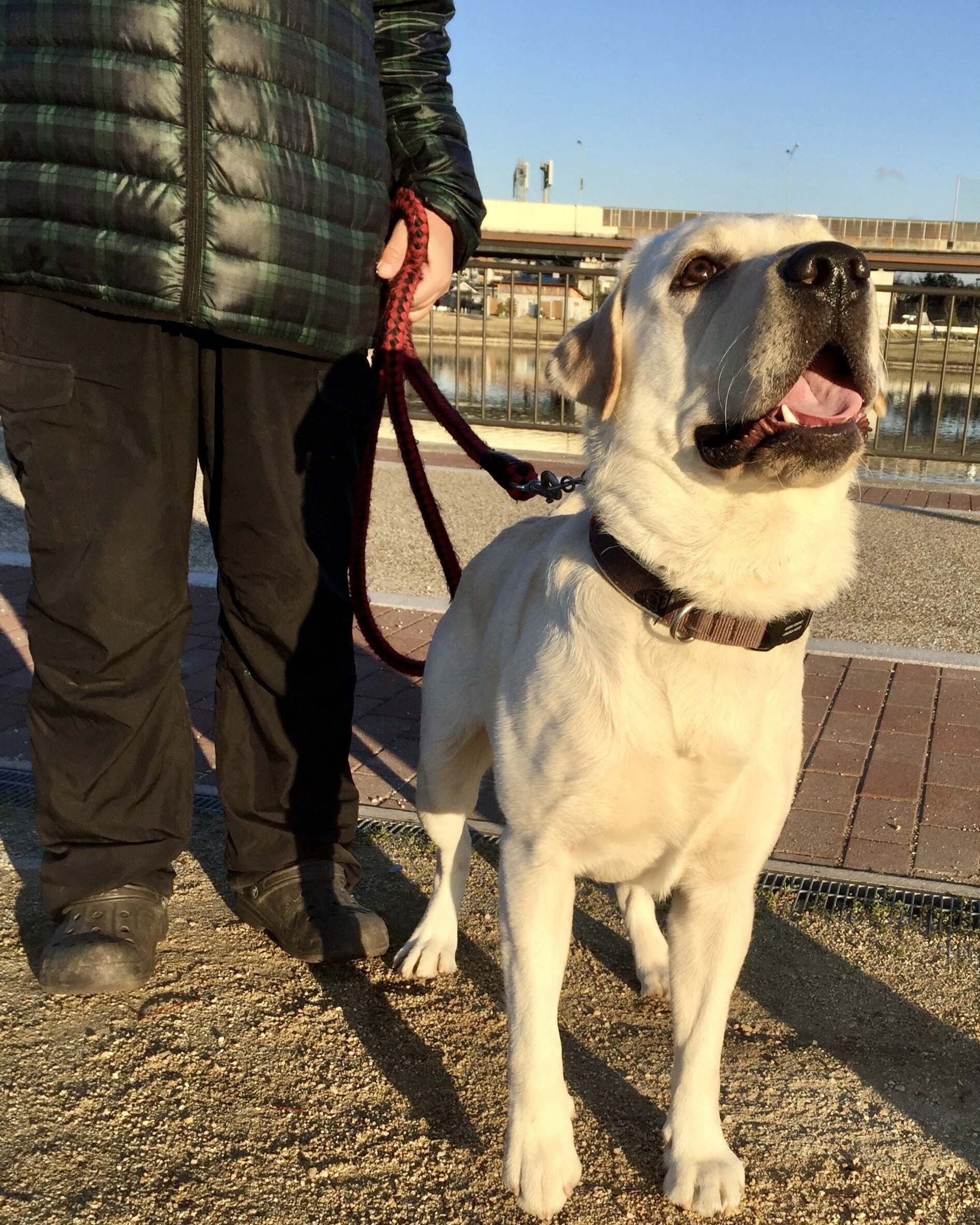
Dog owners were more likely than nonowners to meet physical activity guidelines, but only if they walked regularly; owners who did not walk showed no such advantage. When the researchers compared four groups by dog ownership and walking habit, the advantage followed walking rather than owning a dog.
Nonowners were more active in neighborhoods with more intersections, whereas dog owners stayed active even in less walkable areas, suggesting that dog walking may make up for a less walkable environment. Neighborhoods with denser street networks (more intersections) were linked to better well-being among nonowners only, and among older adults living alone, dog owners reported lower loneliness than nonowners.
Dog walking thus exerts effects that depend on place, offering hypotheses for age-friendly neighborhood planning in high-density Asian cities.
Source link