This article has been reviewed according to Science X's editorial process and policies. Editors have highlighted the following attributes while ensuring the content's credibility:
Angelman syndrome is a rare disease with a single known cause: one missing gene. The lack of that gene, normally inherited from the mother, occurs in approximately one in 20,000 births and is associated with cognitive and mobility deficits that become evident in children when they are around 6 months old.
While the cause of the syndrome seems simple, it is not well understood why the absence of the gene has the effects that it does. That has made treatments for the condition elusive.
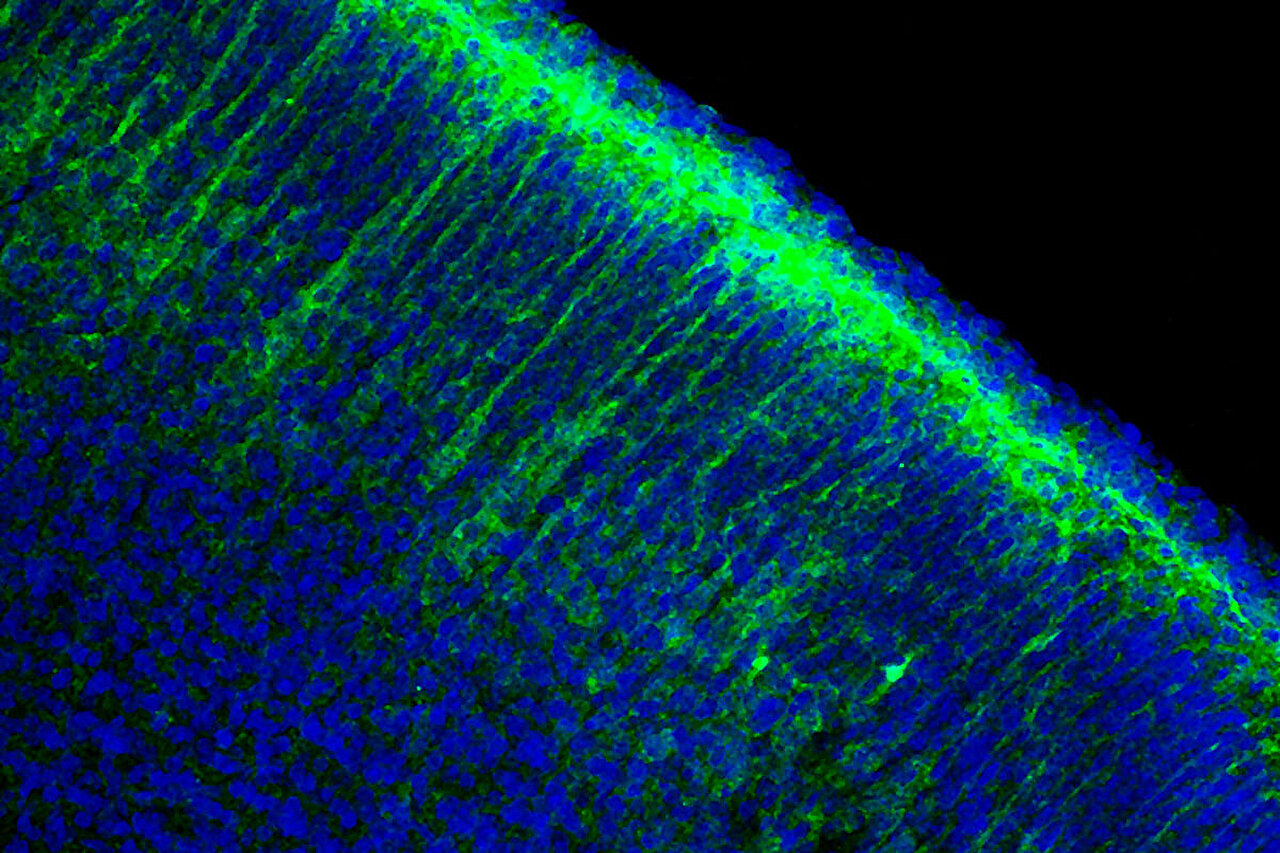
New research from Jason Yi, an assistant professor of neuroscience at Washington University School of Medicine in St. Louis, has found in mice that the missing gene is the first domino in a biological sequence that leads to a normally harmless enzyme accumulating in the brain. The buildup is not harmful on its own but appears to have indirect effects that ultimately impair brain growth.
"The neurons are tricked into thinking that they're in stress when they're not—that's bad because they will then not grow normally," Yi said, noting that most children with Angelman syndrome have smaller brains than do their peers of the same age. "It's a reaction from the brain trying to conserve resources to protect itself. It does suggest that there is a dysregulation in the brain we might be able to correct."
Indeed, Yi's team found that righting one of the downstream dominoes in the molecular cascade of Angelman syndrome reestablished healthy brain development and behaviors in mice.
Source link