This article has been reviewed according to Science X's editorial process and policies. Editors have highlighted the following attributes while ensuring the content's credibility:
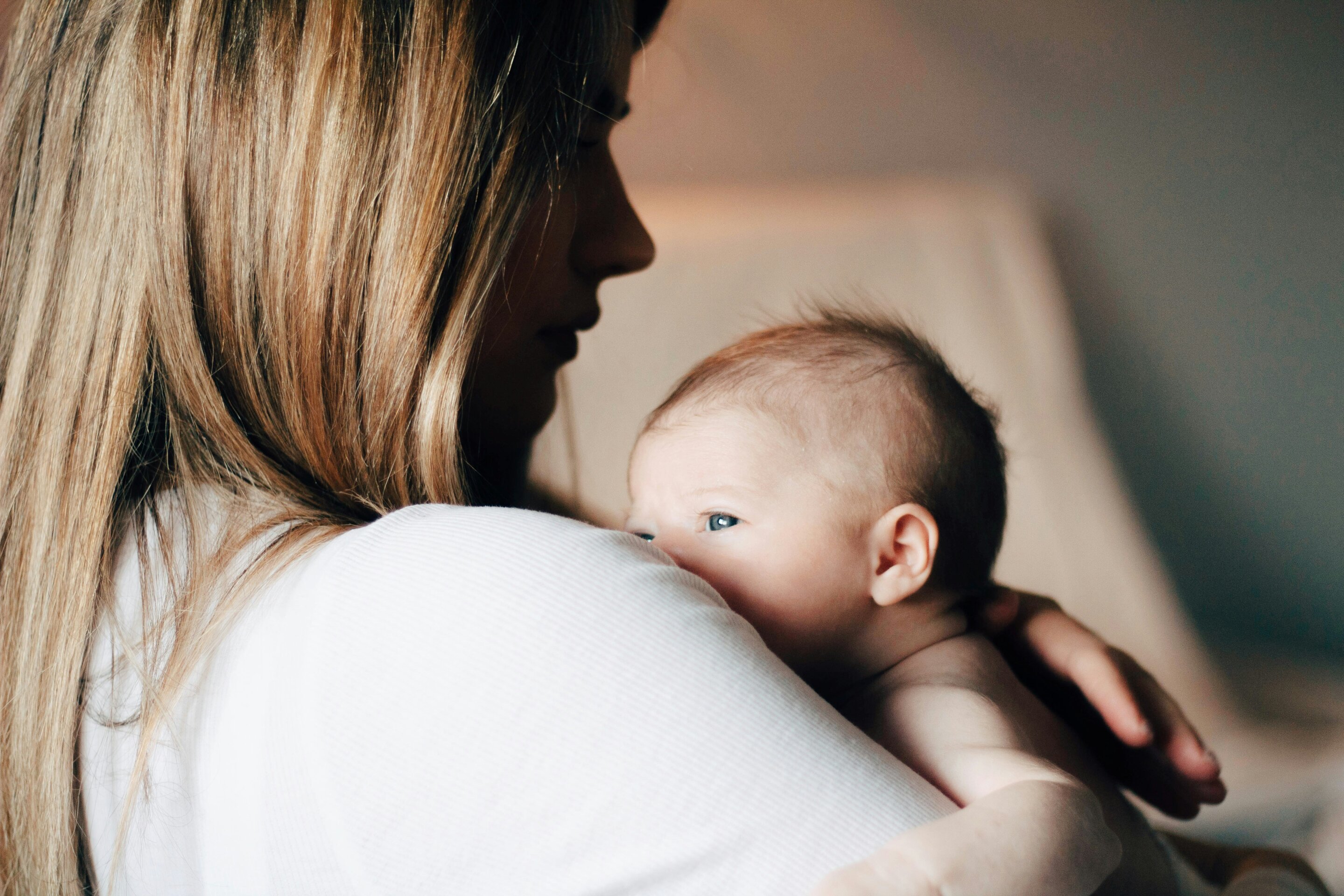
For many new mothers, sleeping uninterruptedly every night is challenging or unfeasible. One reason for this is that their newborn's crying can easily wake them, even when another caregiver is present and could tend to their babies.
Researchers at Southern Medical University carried out a study on mice that could help to explain how motherhood influences responses to a baby crying during sleep. Their paper, published in Nature Neuroscience, identifies a neural pathway that appears to contribute to mouse mothers waking up in response to pup calls.
"Sleep fragmentation is common among postpartum mothers and is considered an important contributing factor to various physical and mental health problems," Feixue Liang, senior author of the paper, told Medical Xpress.
"One major reason for this disrupted sleep is that mothers are particularly sensitive to their babies' cries and can be easily awakened by them. Interestingly, we observed a similar phenomenon in mice: mother mice readily wake up in response to their pups' calls."
During their earlier research, Liang and his colleagues observed that, similarly to human mothers, mouse mothers also seem to quickly wake up when their pups call. This similarity inspired them to investigate the neural mechanisms underlying this behavior in mice, whose brains are easier to study in detail in experimental settings.
"Using mice as a model, we aimed to identify the specific brain circuits that enable mothers to selectively detect and awaken to their offspring's calls during sleep," said Liang.
Source link